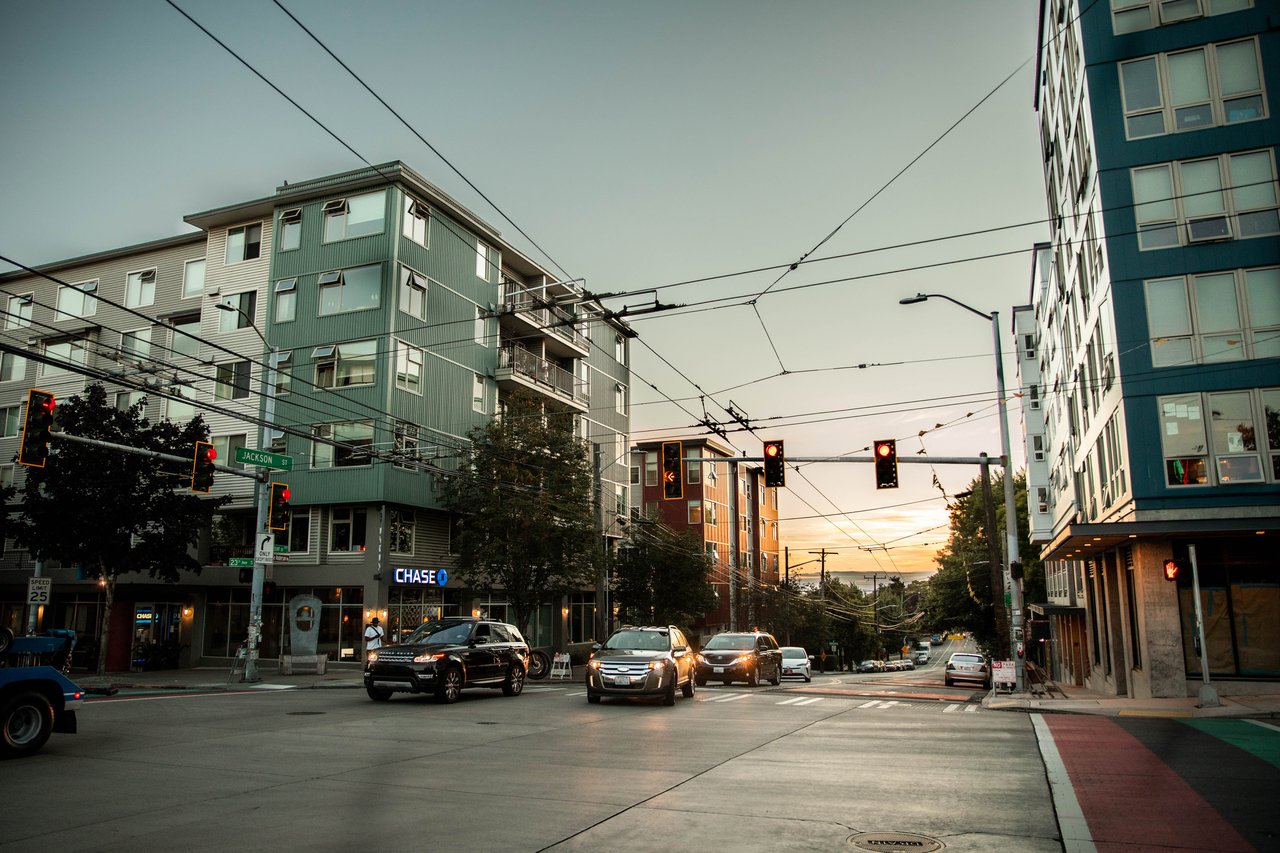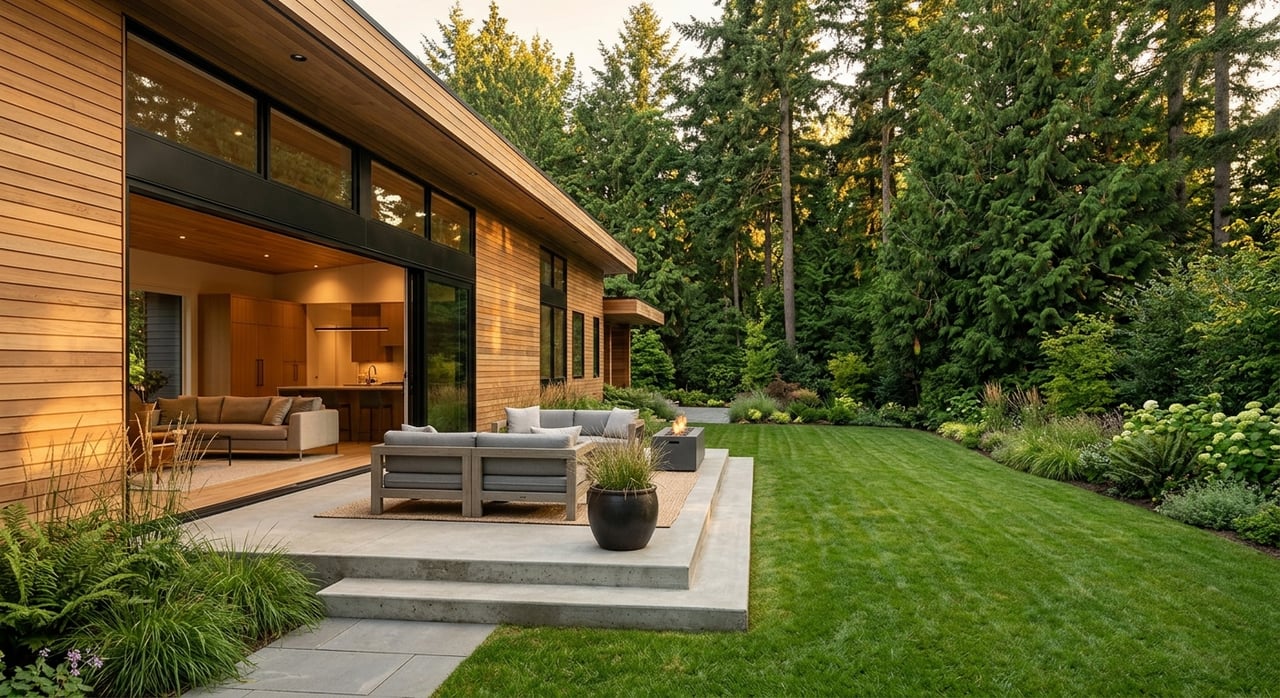
If Seattle has started to feel a little too tight, too busy, or too fast, you are not alone. A lot of buyers look east and wonder if Issaquah could offer more room to breathe without giving up everyday convenience. The answer is yes, but with an important catch: this move is usually more about lifestyle than saving money. In this guide, you will get a clear look at what really changes when you trade Seattle for more space in Issaquah. Let’s dive in.
Why Issaquah Feels Different
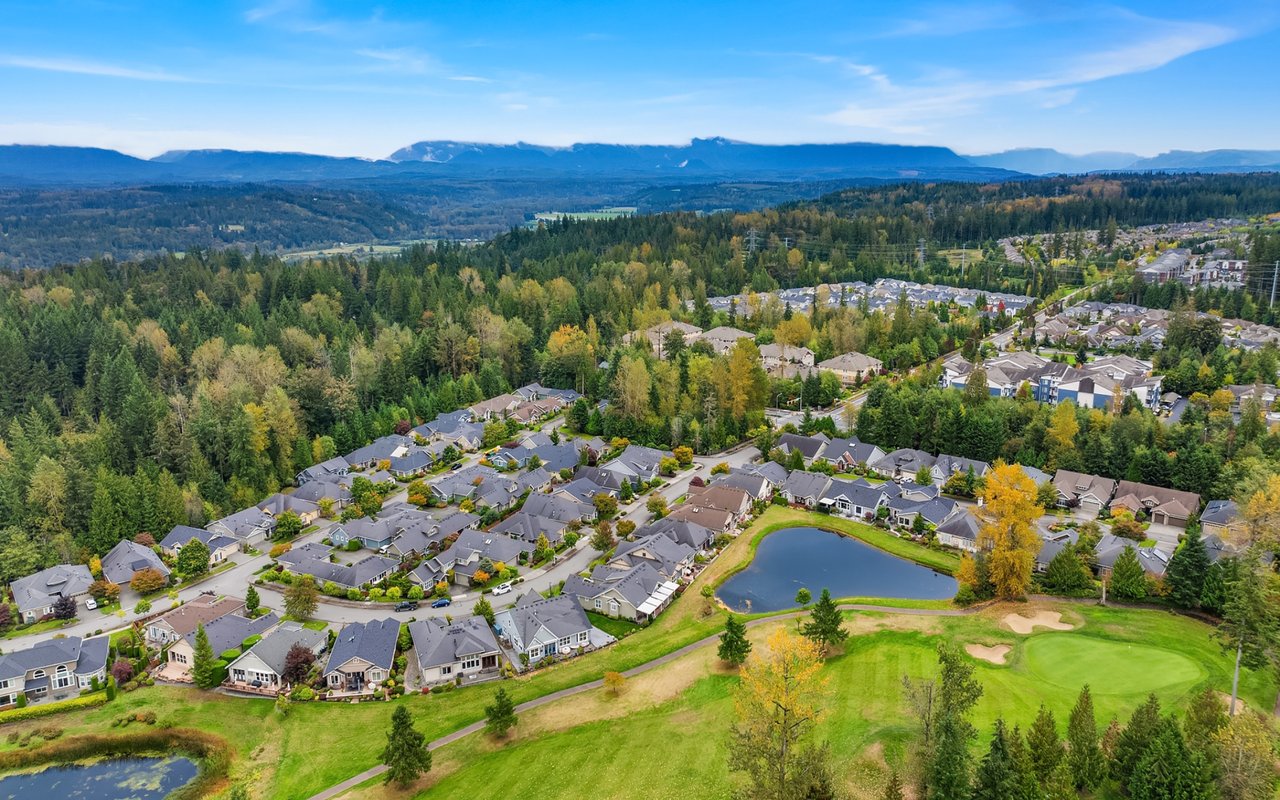
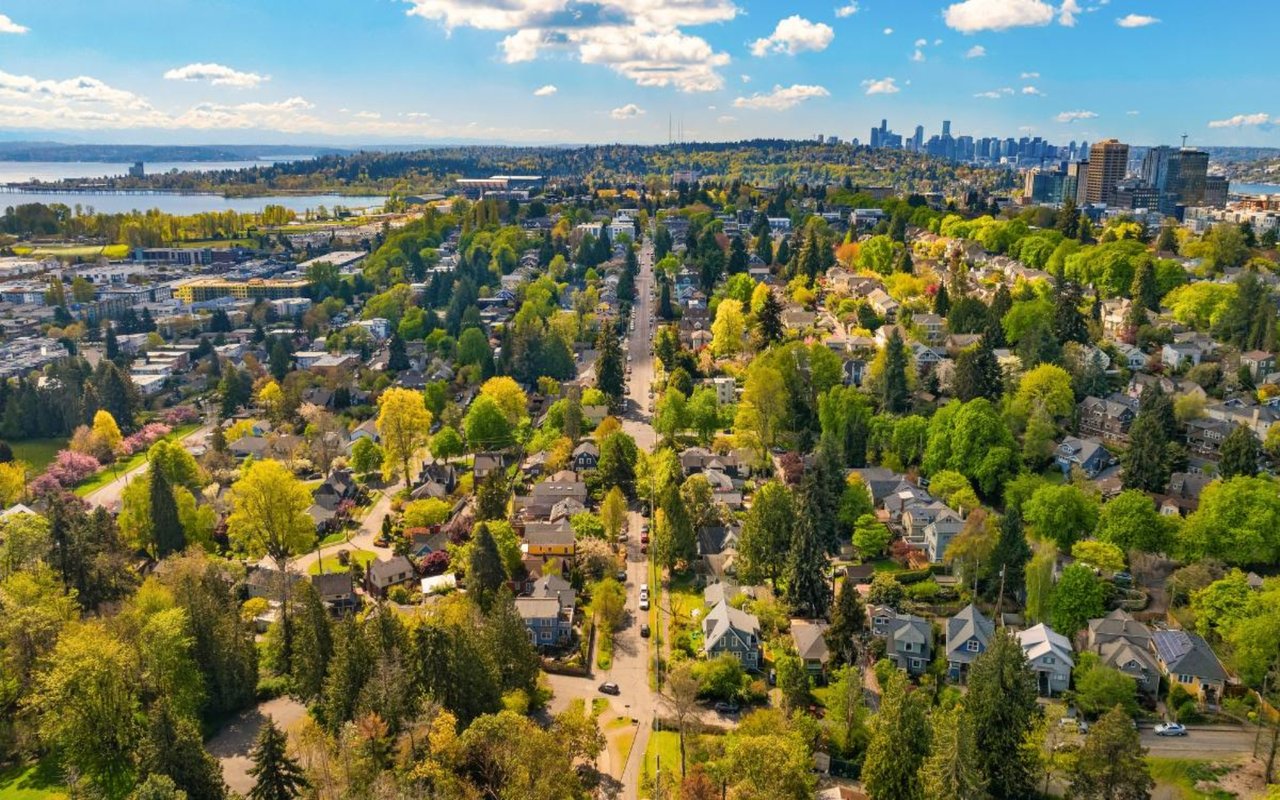
Issaquah is simply smaller and less dense than Seattle, and that shapes daily life in a big way. The 2024 Census estimates put Issaquah at 40,073 residents across 12.13 square miles, compared with Seattle at 780,995 residents across 83.83 square miles.
That works out to about 3,301.8 people per square mile in Issaquah versus 8,791.8 in Seattle. For you, that can mean less intensity, a quieter feel, and a daily rhythm that often feels more spread out.
Housing patterns also look different. Owner-occupied housing is higher in Issaquah at 57.4%, compared with 43.7% in Seattle, which helps explain why the city can feel more rooted in long-term residential life.
More Space, But Not Always Cheaper
If your first assumption is that moving from Seattle to Issaquah will lower your housing costs, it is worth resetting expectations. Issaquah is not automatically the budget option.
March 2026 market data shows a median sale price of $1.0 million in Issaquah, compared with $865,000 in Seattle. Census estimates also place the median value of owner-occupied housing units in Issaquah at $963,000.
That means the trade is often about getting a different kind of home or setting, not necessarily a lower price tag. You may find the extra space you want, but you should not assume it comes at a discount.
What “More Space” Can Mean
Space is not just about lot size or square footage. In Issaquah, it can also mean access to trails, open space, and a less crowded environment.
The city leans into this identity in a big way. Issaquah calls itself Trailhead City and says it has more than 200 miles of trails, over 60 trailheads, and 1,300 acres of open space, all within the Issaquah Alps near Cougar, Squak, and Tiger mountains.
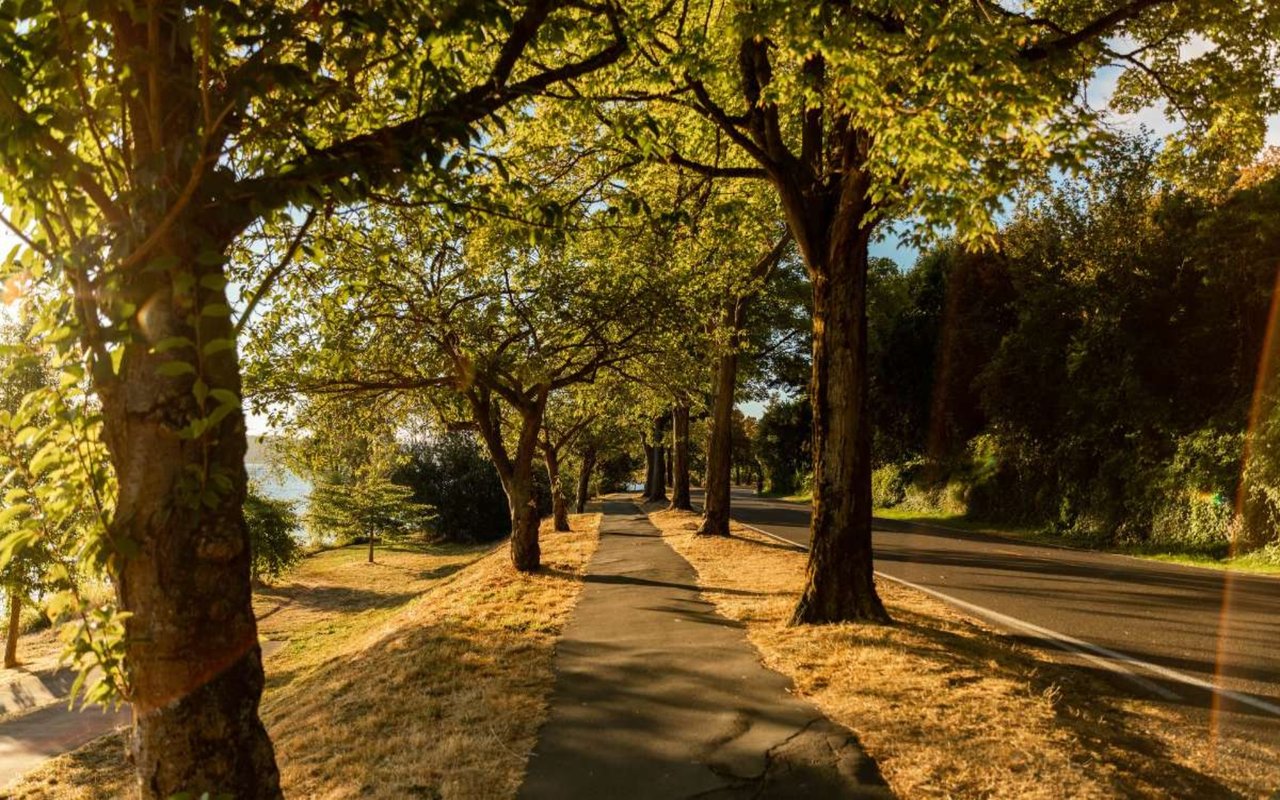
That outdoor access becomes part of your normal routine, not just an occasional weekend plan. Lake Sammamish State Park also adds to that lifestyle shift with two lakefront beaches and trails through forest and wetlands.
Daily Life Has a Different Rhythm
Seattle often centers life around dense commercial districts and city energy. Issaquah feels more node-based, with daily life spread across historic areas, modern retail centers, and outdoor gathering spots.
The city highlights routines and events that shape local life, including the Saturday farmers market, ArtWalk, Concerts on the Green, and Salmon Days each October. Salmon Days alone draws more than 150,000 visitors, which says a lot about how strongly community events are woven into the city’s identity.
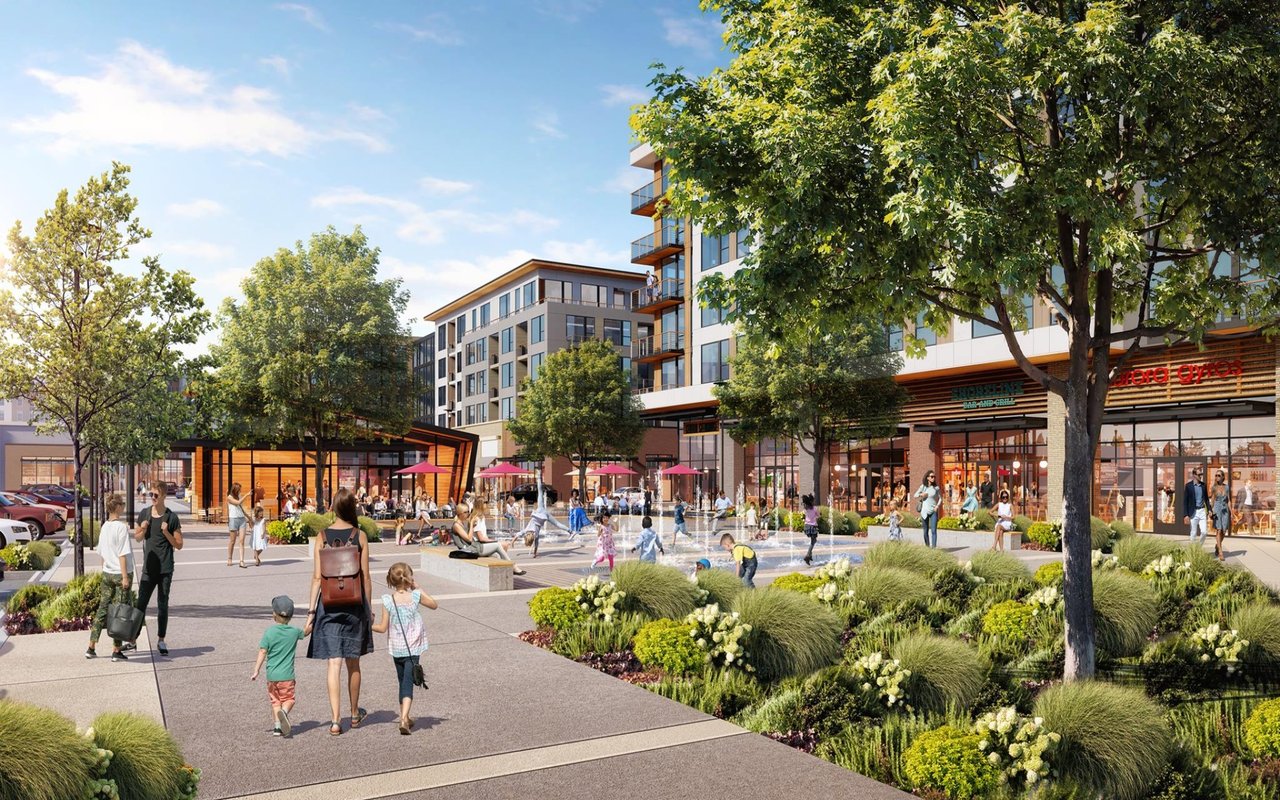
Shopping and dining are also spread across distinct hubs like Olde Town, Gilman Village, Grand Ridge Plaza, Issaquah Commons, Lake Sammamish Center, and Pickering Place. If you are used to Seattle’s urban concentration, this shift can feel both calmer and more car-oriented, depending on where you land.
Issaquah Neighborhoods to Know
Not every part of Issaquah offers the same experience. If you are considering the move, it helps to think less about the city as one thing and more about which setting fits how you want to live.
Olde Town for Character
Olde Town is the clearest contrast to newer suburban development. The city describes it as historic downtown with traditional architecture, everyday services, and the ability to get around by car, bus, bike, or on foot.
If you want Issaquah to feel charming, connected, and a little more walkable, this is often the most natural fit. It offers a more character-rich environment than a typical newer subdivision.
Issaquah Highlands for Planned Convenience
Issaquah Highlands is one of the city’s most recognized master-planned areas. It includes more than 4,000 homes, retail, public transit options, a community center, a fire station, a hospital, and preserved open space, parks, trails, and athletic amenities.
For buyers who want a more organized, amenity-rich neighborhood, the Highlands can check a lot of boxes. It is also nearing buildout, with about 20 acres of buildable land left, which helps explain why brand-new supply is limited.
Talus for Trail Access
Talus is another master-planned community, set across 630 acres on Cougar Mountain. The city notes its trail access, nature-preserve access, neighborhood park, and mix of home choices.
If outdoor access is high on your list, Talus stands out. It also includes Timber Ridge, a retirement community for adults 55 and older.
Central Issaquah for Urban-Style Growth
If you are not looking for a suburban-lot feel, Central Issaquah may be worth watching. The city’s planning documents describe this area as having condo buildings, older homes, townhomes, duplexes, and one- to five-story mixed-use development.
This is where Issaquah is clearly evolving toward a more pedestrian-friendly, mixed-use pattern. For some Seattle buyers, that can feel like a good middle ground between urban living and a lower-density city.
Home Styles Are More Mixed Than You Might Expect
One common misconception is that moving to Issaquah means choosing only between large detached homes and new subdivisions. In reality, the city has a fairly mixed housing stock.
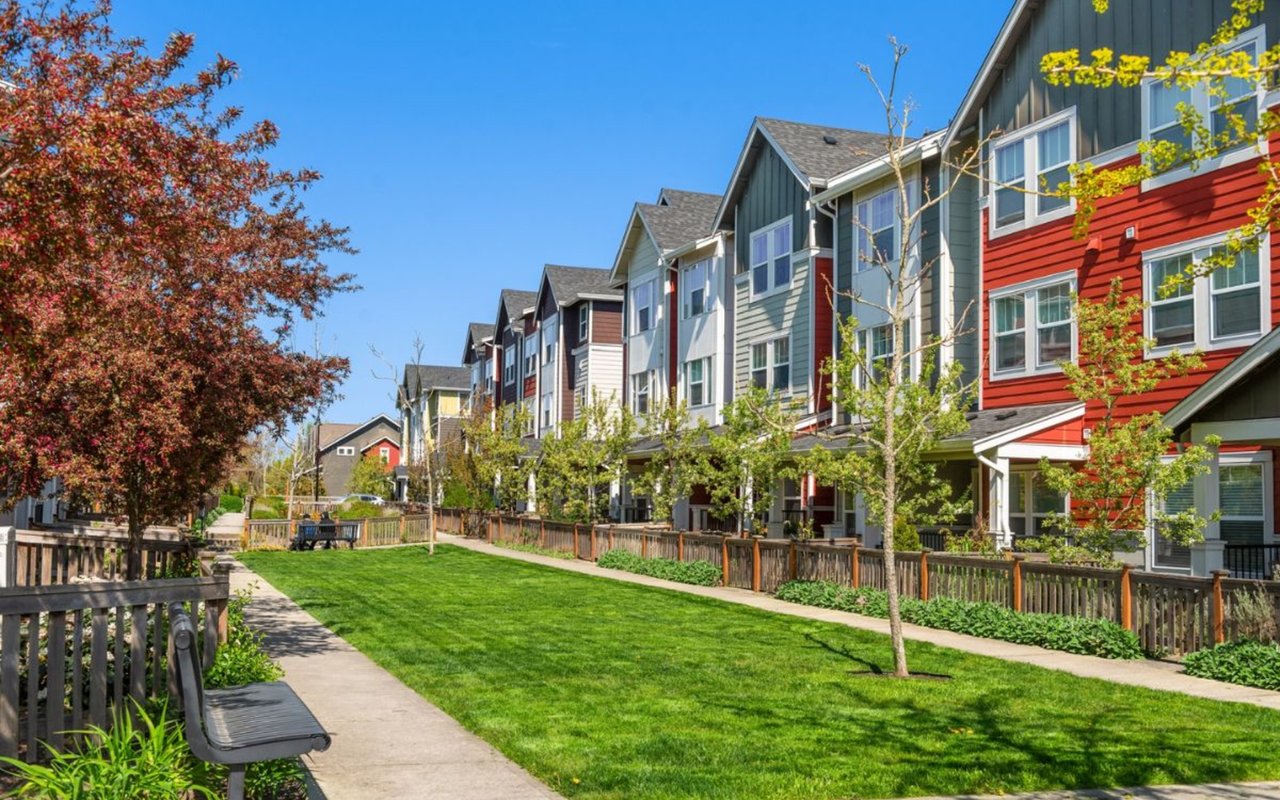
City housing data says 39% of the housing stock is single-family, while 61% is higher-density housing. The city also reports that 16% of housing is one-unit attached homes such as townhomes.
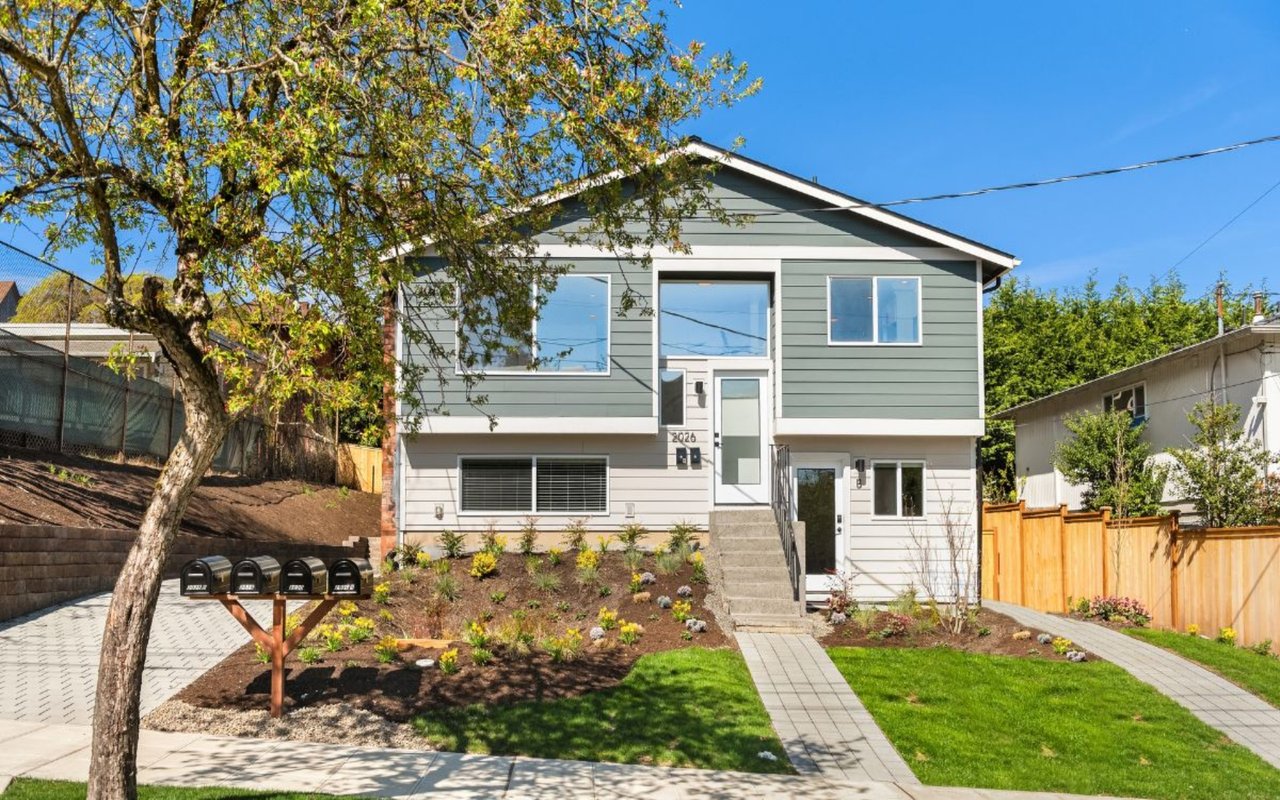
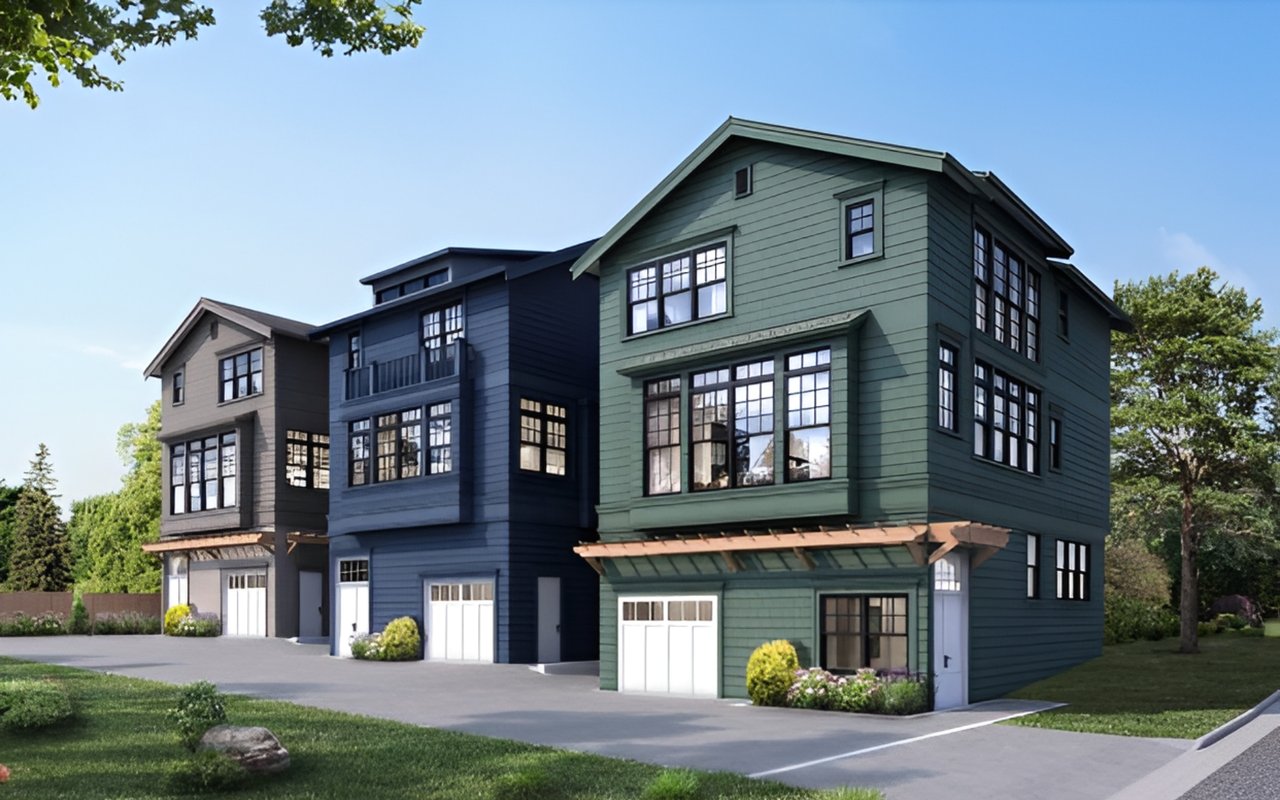
That matters if your goal is “more space” with flexibility. Depending on your budget and priorities, that might mean a townhome with newer finishes, a condo near mixed-use areas, or a larger single-family home in one of the established residential neighborhoods.
Commute Reality Matters
If you are still tied to Seattle for work, your commute deserves serious attention. Issaquah offers meaningful transit access, but it is important to understand both what exists now and what is scheduled to change.
The city has two major transit centers: the Sound Transit Issaquah Transit Center and the King County Metro Issaquah Highlands Park & Ride. The city says express buses can reach downtown Bellevue in about 20 minutes and downtown Seattle in about 30 minutes, although actual travel times vary with traffic.
The Issaquah Transit Center Park-and-Ride has 428 parking spaces. Broader transit connections can reach places like downtown Seattle, downtown Bellevue, First Hill, the University District, Northgate, Overlake, and Sammamish.
Transit Is Changing
This part is especially important if you are making a long-term move decision. Sound Transit’s approved 2026 Service Plan says Route 554, which connects Issaquah and Seattle, will be discontinued in fall 2026.
It will be replaced by more frequent Route 556 service to Bellevue Downtown Station, and Seattle trips will then require a Link transfer. The plan says Route 556 is expected to run every 15 minutes for most of the day and add weekend service.
So yes, a direct Seattle bus is currently part of the picture. But if you are buying with the next several years in mind, you should evaluate commute options based on the upcoming system, not just today’s setup.
Driving to Bellevue Is Often the Easier Benchmark
For many buyers, Bellevue is the more useful commute comparison. WSDOT tracks the I-90 corridor between Seattle and Issaquah as a key travel route.
Its 2023 benchmarks show the nine-mile Issaquah-to-Bellevue peak morning drive averaged 12 minutes, with a reliable time of 16 minutes. The reverse evening trip averaged 16 minutes, with a reliable time of 21 minutes.
Those are corridor benchmarks, not guarantees. Still, they offer a helpful reality check: even on a strong corridor, peak travel needs a time buffer.
What Buyers Should Expect in the Market
Issaquah is not just expensive. It is also competitive.
March 2026 market data describes Issaquah as very competitive, with homes averaging 12 days on market and about one offer on average. If you are planning to make the move for lifestyle reasons, being prepared matters just as much as being interested.
This is one reason a clear game plan helps. When inventory is limited and many of the city’s major planned neighborhoods are nearing buildout, the best-fit home may not look exactly like what you first imagined.
Is Issaquah the Right Trade for You?
If you want a lower-density setting, stronger access to trails and open space, and a daily routine that feels less urban, Issaquah can be a compelling move. It is especially appealing if your version of “more space” includes both the home itself and what surrounds it.
If your top goal is simply to spend less than you would in Seattle, Issaquah may not deliver that outcome. The more accurate framing is this: you are often trading city intensity for a smaller-scale, outdoors-forward lifestyle with a different housing mix and a different pace.
That is why this move works best when you start with how you want your days to feel. Once that is clear, the right neighborhood, home style, and commute strategy usually become easier to spot.
If you are weighing a move and want help comparing lifestyle fit, housing options, and what your next chapter could look like, connect with Amber Arnall & Ian Gordon. Their place-first approach can help you find a home that fits how you actually want to live.
FAQs
Is Issaquah cheaper than Seattle for homebuyers?
- Not necessarily. March 2026 data shows Issaquah’s median sale price at $1.0 million, compared with $865,000 in Seattle.
What does “more space” in Issaquah usually mean?
- It can mean a larger home, a different housing type, lower density, and easier access to trails, open space, and outdoor recreation.
Which Issaquah neighborhood feels most walkable?
- Olde Town is the clearest fit if you want a more walkable, historic setting with daily services and multiple ways to get around.
What is changing with Issaquah transit to Seattle?
- Sound Transit’s approved 2026 Service Plan says Route 554 will end in fall 2026 and be replaced by Route 556 to Bellevue Downtown Station, with Seattle trips requiring a Link transfer.
Is Issaquah mostly single-family homes?
- No. City data says 39% of the housing stock is single-family, while 61% is higher-density housing, including condos, townhomes, and other attached options.
Is Issaquah a good fit if you want outdoor access?
- Yes. The city says it has more than 200 miles of trails, over 60 trailheads, 1,300 acres of open space, and close access to Lake Sammamish State Park.