If you want a Seattle neighborhood where a Sunday market, a canal-side trail, and public art can all fit into the same afternoon, Fremont makes a strong case. You are not just choosing an address here. You are choosing a daily rhythm shaped by coffee stops, creative landmarks, walkable errands, and a calendar full of neighborhood traditions. If you are wondering what it actually feels like to live in Fremont as someone who loves good food and a little visual inspiration, this guide will help you picture it. Let’s dive in.
Why Fremont Feels So Distinct
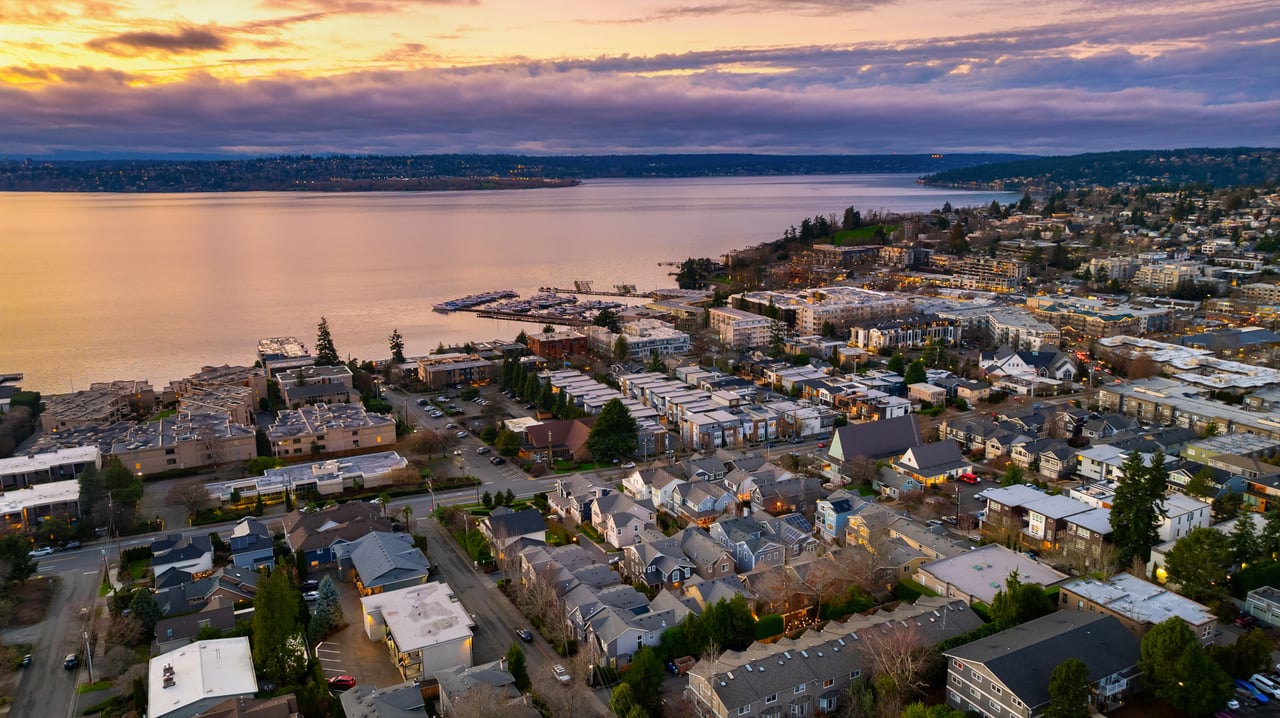
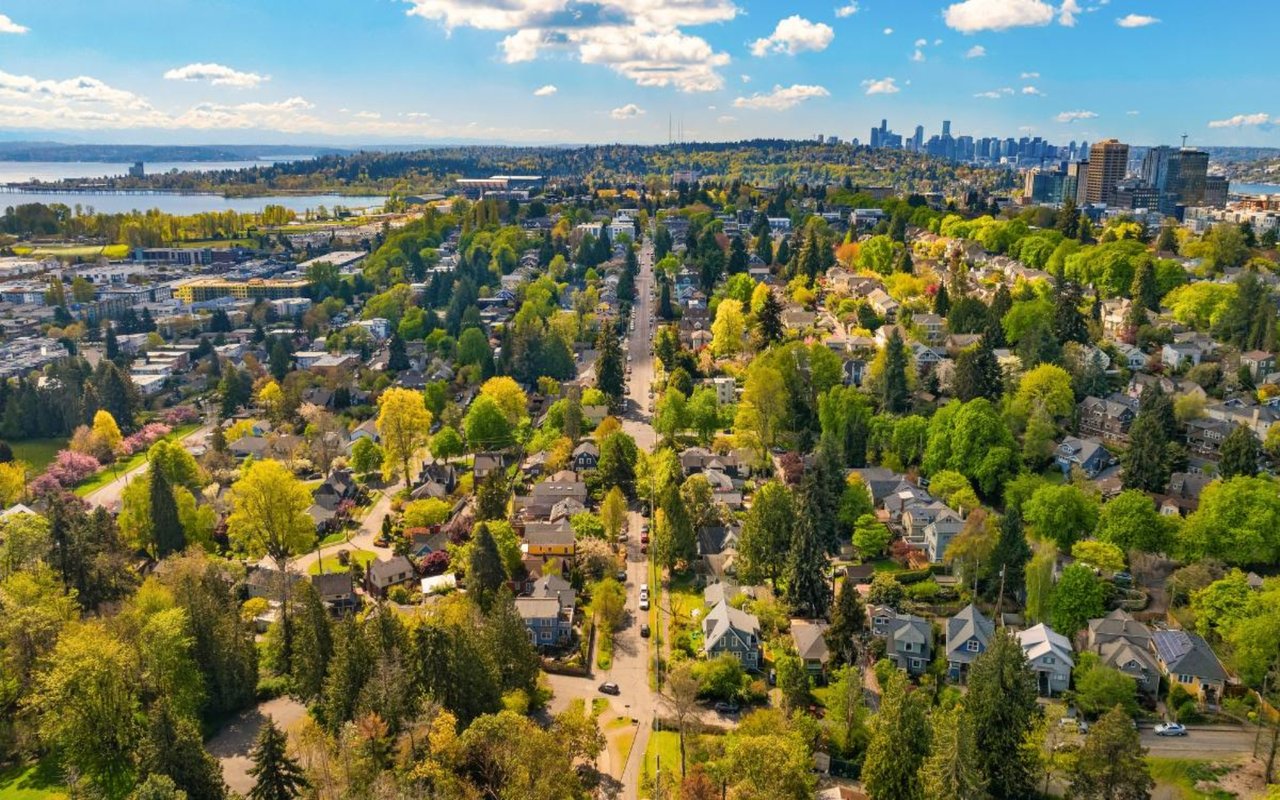
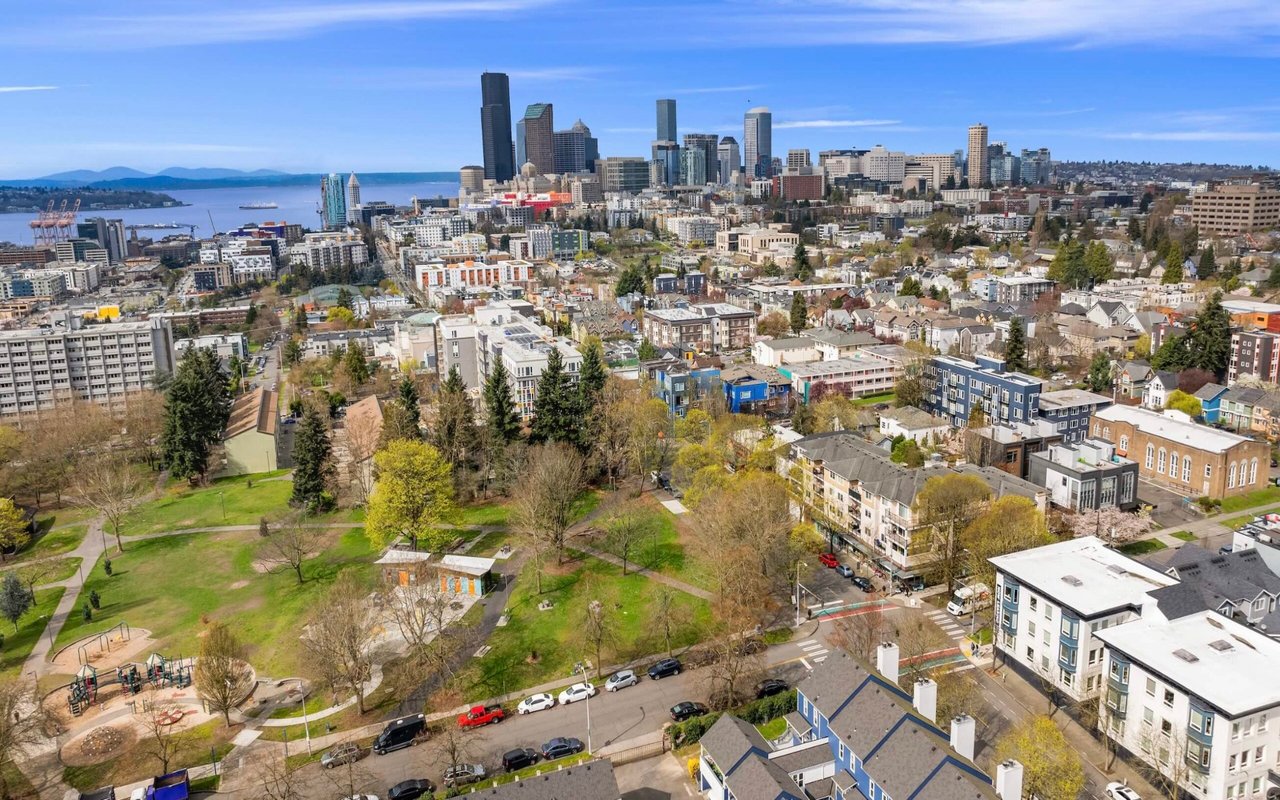
Fremont sits just north of downtown Seattle on the north side of the Ship Canal and Lake Union. Its neighborhood plan describes downtown Fremont as a pedestrian-scale, mixed-use district, which helps explain why homes, shops, restaurants, and everyday services feel closely connected.
That compact layout gives daily life a certain ease. You can move from a grocery run to a coffee break to an evening out without feeling like you are constantly crossing town. For buyers who want a neighborhood with energy and convenience, that mix is a big part of Fremont’s appeal.
Fremont also has a long creative streak. Seattle’s historic neighborhood survey notes that the first Fremont Fair was held in 1972, the Fremont Public Association formed in 1974, and the Fremont Arts Council followed in 1979. Over time, the area became known for galleries, specialty shops, restaurants, and a stronger arts scene.
Today, that identity still shows up everywhere. The Fremont plan calls for public art, cultural amenities, and design treatments that reflect neighborhood character, so the area feels intentionally expressive rather than generic.
Fremont for Art Lovers
If public art matters to you, Fremont offers a lot to notice in your everyday routine. The Fremont Chamber says the neighborhood has more than 50 pieces of public art, including well-known works like Rapunzel, the J.P. Patches statue known formally as Late for the Interurban, and the Dreamer of World Peace sculpture.
What makes that meaningful for residents is how integrated it feels. In Fremont, art is not limited to one venue or one event. It becomes part of your walk to dinner, your weekend stroll, or your route to the market.
The Fremont Arts Council is a big reason that creative identity has stayed visible. Founded in 1979, it continues to care for public art such as the Fremont Troll and runs signature events including the Fremont Solstice Parade, Luminata, Trolloween, and workshops throughout the year.
If you like quieter spots, Fremont Peak Park adds another layer. The half-acre park has open views of Puget Sound and the Olympic Mountains, along with a sculpture that marks the solstices and equinoxes. Troll’s Knoll, next to the Fremont Troll, blends public art, community gardening, and views toward Mount Rainier.
Fremont for Foodies
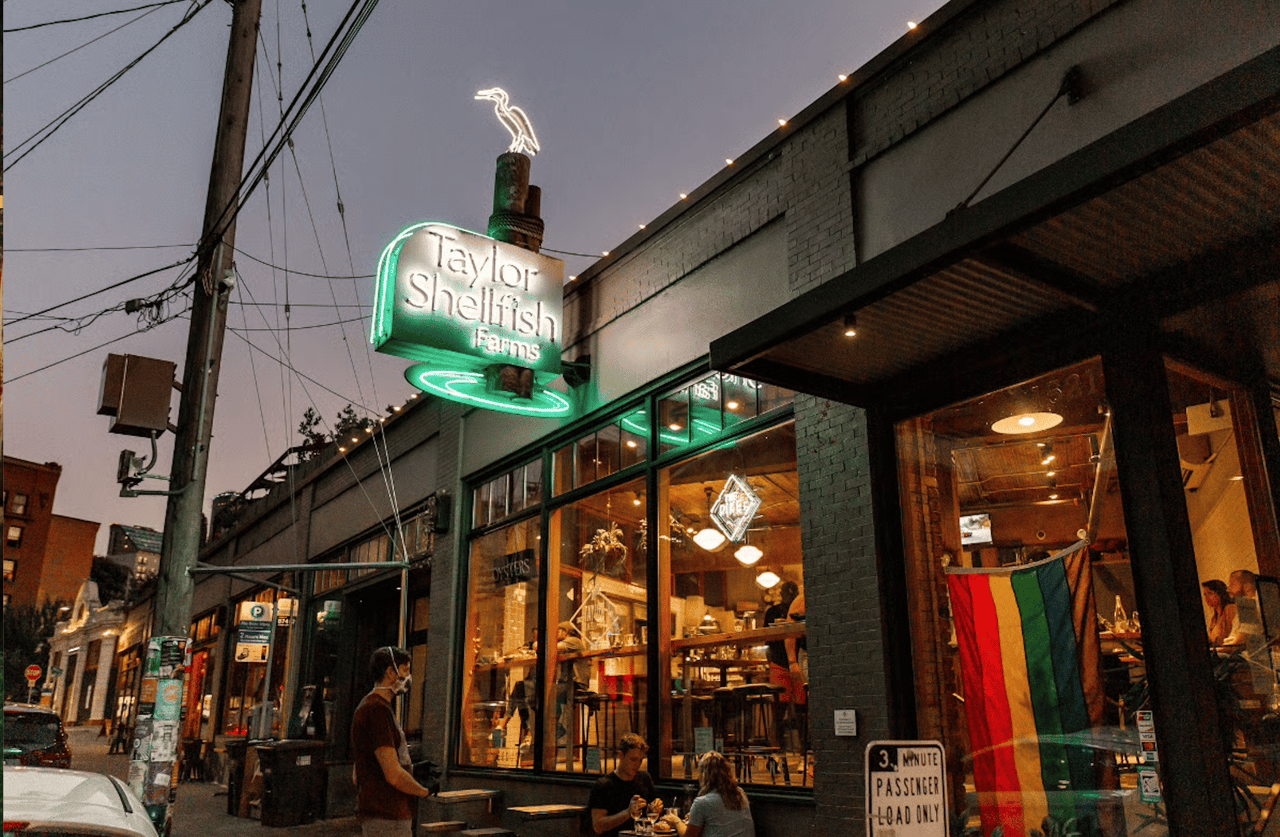
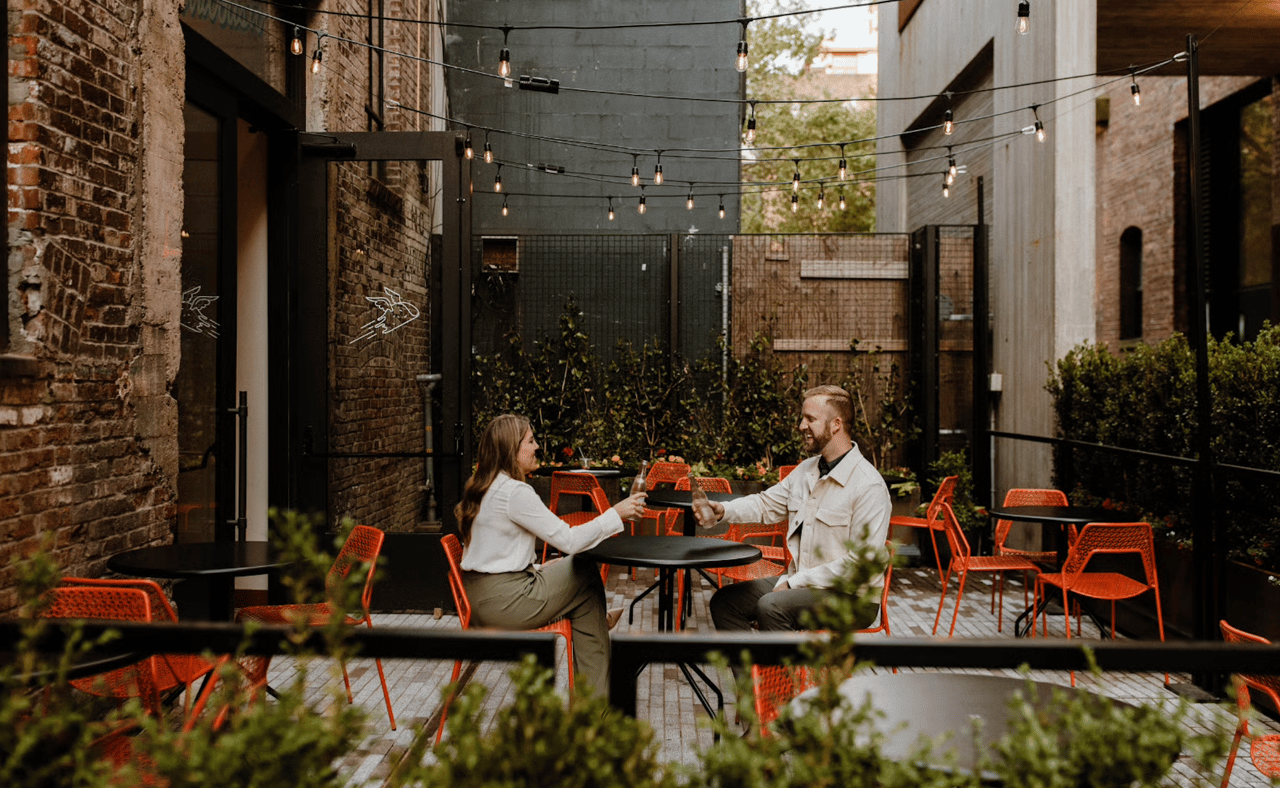
Fremont works well for people who like to build their week around food, coffee, and casual local favorites. Visit Seattle highlights a mix of cafes, breweries, bars, and restaurants in the area, including Figurehead Brewing, Hamdi, Aroom Coffee, Marmalade, Dick’s Drive-In, Tivoli, Hushy’s, and Spinnaker Chocolate.
That variety matters because it gives the neighborhood range. You can keep things simple, grab something quick, or make a whole evening out of trying somewhere new. For many buyers, that kind of built-in choice is part of what makes a neighborhood feel alive.
Weekend energy is especially easy to picture here. The Fremont Sunday Market runs year-round on Sundays and draws more than 150 vendors, which adds another layer to the food-and-finds culture people often associate with the neighborhood.
For everyday convenience, PCC Fremont is a major anchor at 600 N 34th St. It is open daily from 6 a.m. to 11 p.m. and includes prepared food options like pizza, sushi, hot food, soup, salads, hot sandwiches, and a cheese counter, along with bulk foods, bike parking, and free underground parking.
If your ideal local hangout includes outdoor seating, Fremont Brewing’s flagship Urban Beer Garden is another strong example of the neighborhood’s casual social side. It is open daily from 11 a.m. to 9 p.m. and offers covered heated outdoor seating, beer-to-go, free Wi-Fi on weekdays, and a family-friendly, dog-friendly setting.
Streets That Shape Daily Life
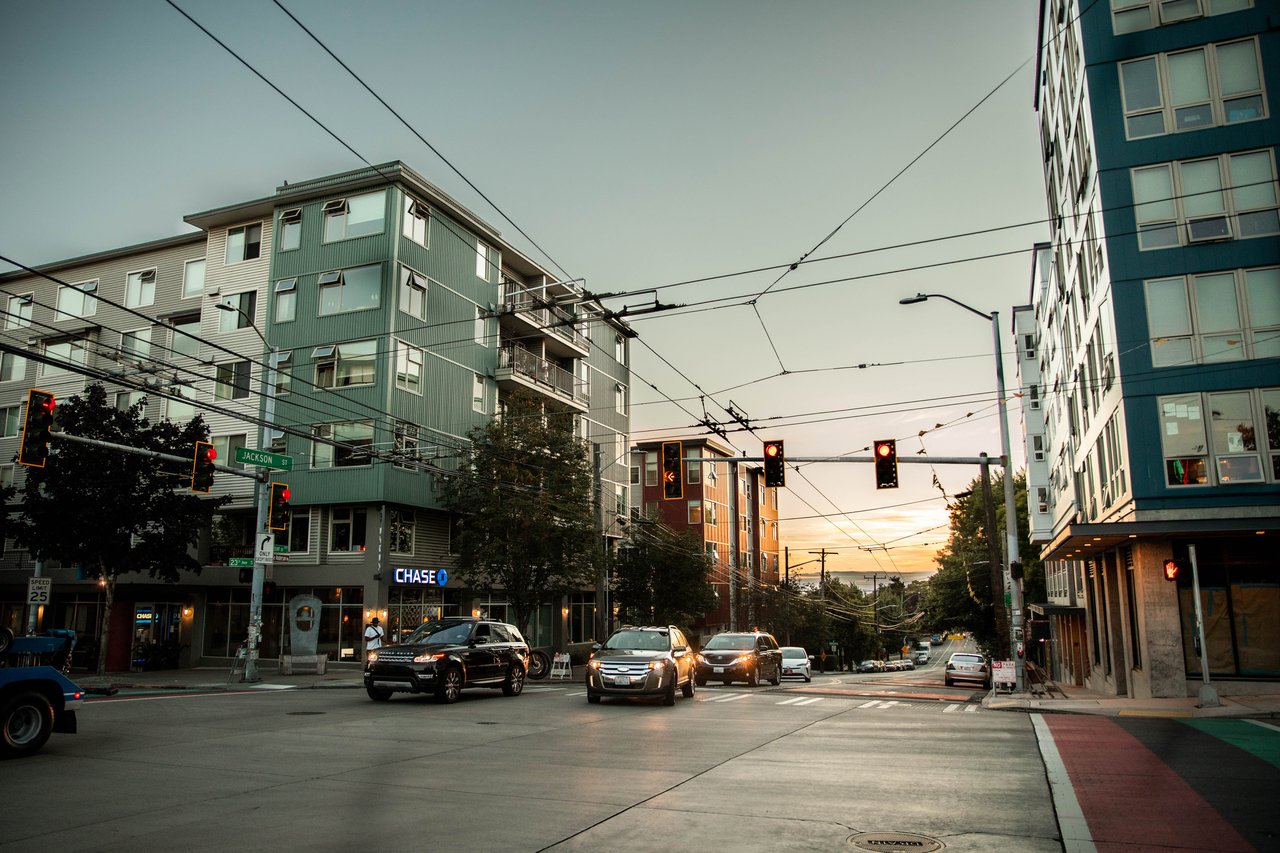
When you are getting to know Fremont, a few streets come up again and again. The most useful corridors for navigating the neighborhood include Fremont Ave N, N 34th St, N 35th St, N 36th St, Leary Way N, Northlake Way, and Stone Way N.
These streets help connect the commercial core, nearby trail access, and surrounding neighborhoods. If you are touring homes or trying to understand how daily errands might flow, these are the corridors that can help you orient yourself quickly.
In practical terms, this means you are often close to the things that give Fremont its personality. Shops, cafes, groceries, public art, and event spaces all sit within a network that supports a more connected, urban lifestyle.
Outdoor Access Adds Balance
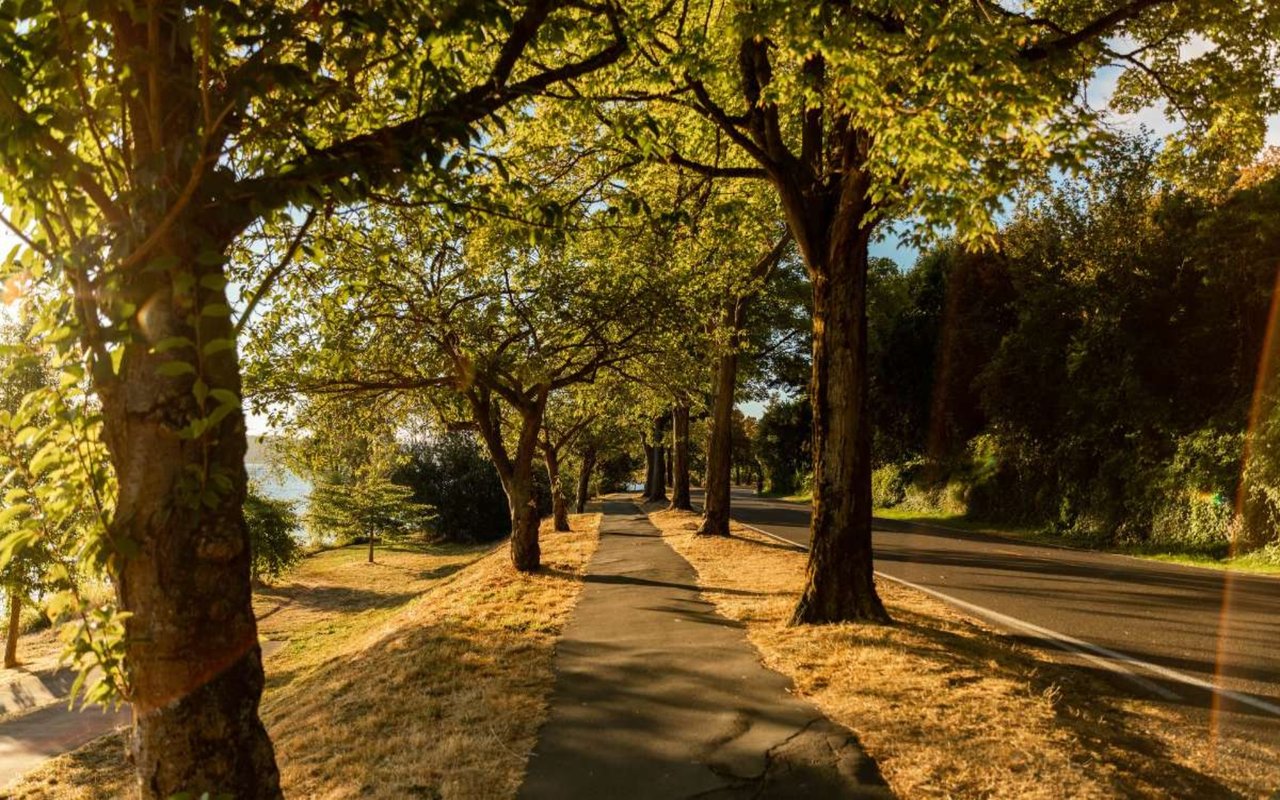
One of Fremont’s biggest strengths is that it does not feel like an all-concrete city experience. The Burke-Gilman Trail runs through Fremont and serves as a major multi-use corridor for walking, running, and cycling. For many residents, that access changes the way weekdays and weekends feel.
If you like the idea of stepping out for a run, biking to another part of the city, or fitting more movement into your day, Fremont offers that option in a meaningful way. The trail is not just recreational. It is part of how people move through the neighborhood.
Nearby green space adds even more flexibility. Gas Works Park offers a play barn, a kite hill, views of Seattle, and trail access, while the Wallingford Steps connect N 34th St to Northlake Way, the Burke-Gilman Trail, and Gas Works Park.
The Fremont Branch library is another everyday asset that often gets overlooked in neighborhood roundups. It serves as a historic, bus-accessible community hub with a meeting room, Wi-Fi, public computers, and regular open hours.
Signature Events and Seasonal Rhythm
Some neighborhoods feel the same all year. Fremont is not one of them. Its annual events help shape the pace and personality of life here.
Fremont Fair is scheduled for June 20 to 21, 2026, and takes over six city blocks with more than 300 craft vendors, beer gardens, art cars, and live music. The Solstice Parade begins at 1:00 p.m. on June 20, turning the neighborhood into one of Seattle’s most recognizable summer destinations.
In the fall, Fremont Oktoberfest is scheduled for September 18 to 20, 2026. Because the festival uses Fremont streets and centers around seasonal beer tasting, it reinforces the neighborhood’s reputation for active public life and a strong event culture.
For residents, that can be a real perk if you enjoy living somewhere with built-in energy. It also means your neighborhood calendar may include busier weekends, street activity, and more visitors during major events.
What to Know About Daily Tradeoffs
Fremont has plenty to offer, but it is still helpful to go in with clear eyes. The neighborhood plan identified traffic, parking, pedestrian safety, and bicycle access as recurring issues, which reflects the realities of a busy in-city district.
Event weekends can amplify those pressures. Fremont Fair’s current FAQ says parking is very limited during Solstice weekend, so if you are considering living here, it helps to picture how major neighborhood events may affect your routine.
For many buyers, those tradeoffs are worth it because of what they get in return. Fremont combines character, trail access, public art, dining, shopping, and nearby employment in a way that is hard to replicate.
Adobe’s Fremont waterfront lab is one current example of the neighborhood’s tech presence. Along with the mixed-use core, that helps explain why Fremont can appeal to people who want both creative energy and practical access to work, errands, and recreation.
Who Fremont May Fit Best
Fremont can be a strong fit if you want your neighborhood to do more than provide a place to sleep. It may appeal to you if you value walkable errands, local food options, public art, regular community events, and quick access to trails and parks.
It can also make sense if you are comparing Seattle neighborhoods and want a place with a strong sense of identity. Fremont’s appeal is not only about one restaurant or one landmark. It is about how many lifestyle pieces are packed into a relatively connected area.
At the same time, it helps to be honest about your preferences. If you want quieter streets, easy parking at all times, or less event-related activity, Fremont may feel busier than what you have in mind.
Why Lifestyle Buyers Keep Looking at Fremont
From a real estate perspective, Fremont stands out because the neighborhood story is easy to feel. Buyers often respond to places where they can imagine a real day-to-day life, and Fremont gives you that picture quickly through its streets, trail connections, food culture, public art, and community traditions.
That is what makes it memorable. You are not just touring homes. You are also noticing whether a grocery stop feels easy, whether your coffee options are close by, whether outdoor access is part of your normal week, and whether the neighborhood’s creative identity feels like a fit for how you want to live.
If that mix speaks to you, Fremont is worth a closer look. For the right buyer, it offers one of Seattle’s more layered combinations of convenience, character, and everyday fun.
If you are looking for a home that connects with the lifestyle you actually want, Amber Arnall & Ian Gordon can help you explore neighborhoods with the same thoughtful, place-first approach.
FAQs
What makes Fremont, Seattle appealing for artsy buyers?
- Fremont has a long arts-focused identity shaped by decades of community events, public art, and creative placemaking, with more than 50 public art pieces and signature traditions led in part by the Fremont Arts Council.
What food and drink options are available in Fremont, Seattle?
- Fremont offers a mix of cafes, breweries, bars, restaurants, and the year-round Fremont Sunday Market, plus everyday anchors like PCC Fremont and Fremont Brewing’s Urban Beer Garden.
What are the main streets to know in Fremont, Seattle?
- Key Fremont corridors include Fremont Ave N, N 34th St, N 35th St, N 36th St, Leary Way N, Northlake Way, and Stone Way N because they connect the commercial core, trail access, and nearby areas.
How is outdoor access in Fremont, Seattle?
- Fremont has strong outdoor access thanks to the Burke-Gilman Trail, nearby Gas Works Park, the Wallingford Steps connection, and smaller neighborhood destinations like Fremont Peak Park and Troll’s Knoll.
What are the tradeoffs of living in Fremont, Seattle?
- Common tradeoffs include traffic, parking pressure, pedestrian and bicycle movement challenges on busy corridors, and more limited parking during major events like Fremont Fair weekend.