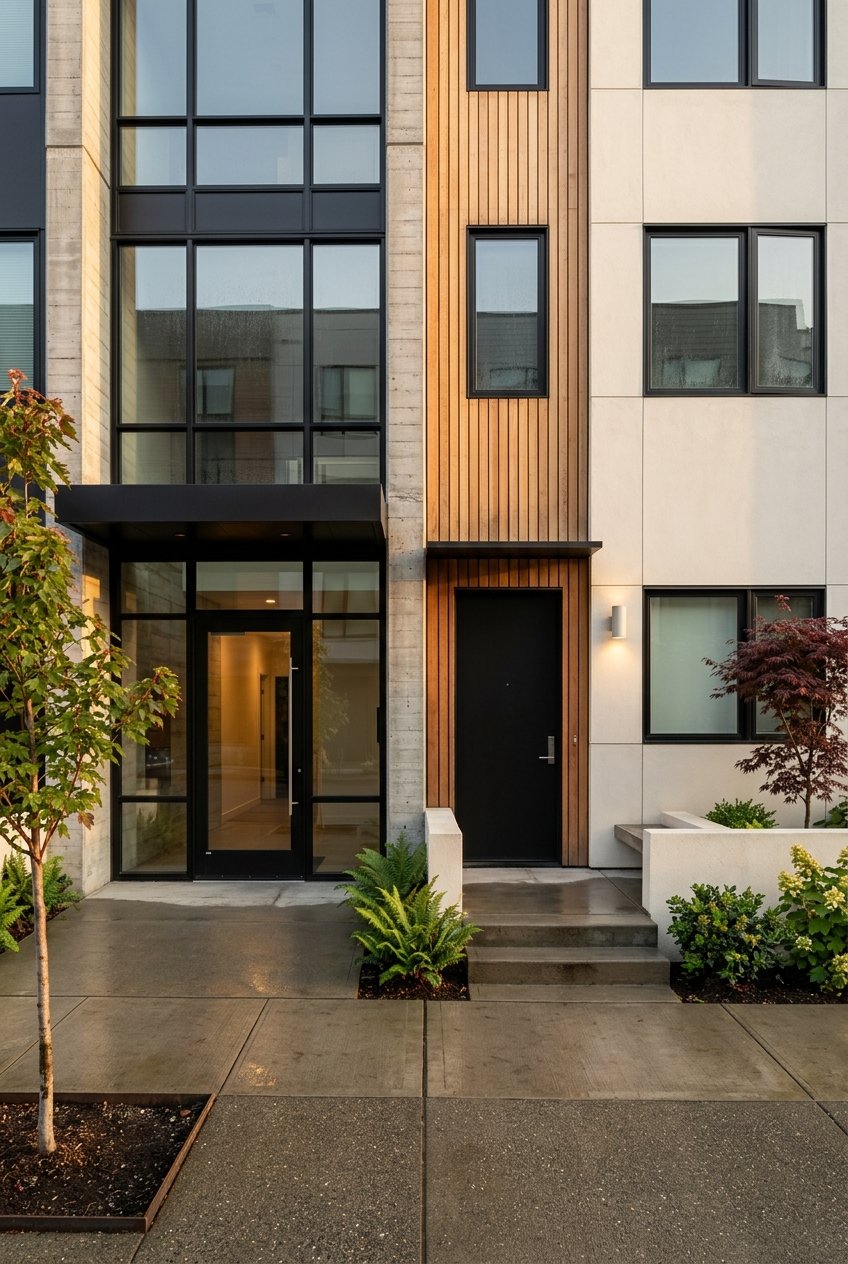
Choosing between a condo and a townhome in Capitol Hill can feel simple at first, until you start comparing monthly costs, outdoor space, privacy, and what life will actually feel like once you move in. If you love walkable city living but want the right fit for your budget and routine, this decision matters more than the floor plan alone. The good news is that Capitol Hill gives you clear tradeoffs, and once you know what to look for, the choice gets easier. Let’s dive in.
Capitol Hill lifestyle matters first
Capitol Hill is already built for people who want an urban, connected lifestyle. The City of Seattle describes the broader First Hill and Capitol Hill area as a dense regional center with strong residential and job activity, and many residents can walk, bike, or use transit for daily needs.
That location context matters because both condos and townhomes here tend to support car-light living. Sound Transit identifies Capitol Hill Station as a rail stop with bus and streetcar connections, and Redfin gives Capitol Hill a Walk Score of 93. In other words, your housing choice is less about whether the neighborhood works and more about how you want to live inside it.
Capitol Hill price gap is real
One of the biggest differences is cost. As of June 1, 2026, Redfin shows 61 condos for sale in Capitol Hill at a median list price of $400,000, compared with 26 townhouses at a median list price of $999,000.
These are active listing medians, not closed sale medians, but they still tell an important story. Condos are generally the more accessible entry point, while townhomes are harder to find and usually sit in a much higher price range. If your budget is a key driver, that may narrow your options quickly.
Condo vs townhome ownership
Before you compare finishes and square footage, it helps to understand what you are actually buying. A condo is typically a privately owned unit within a larger building or community, with shared areas owned in common by the unit owners.
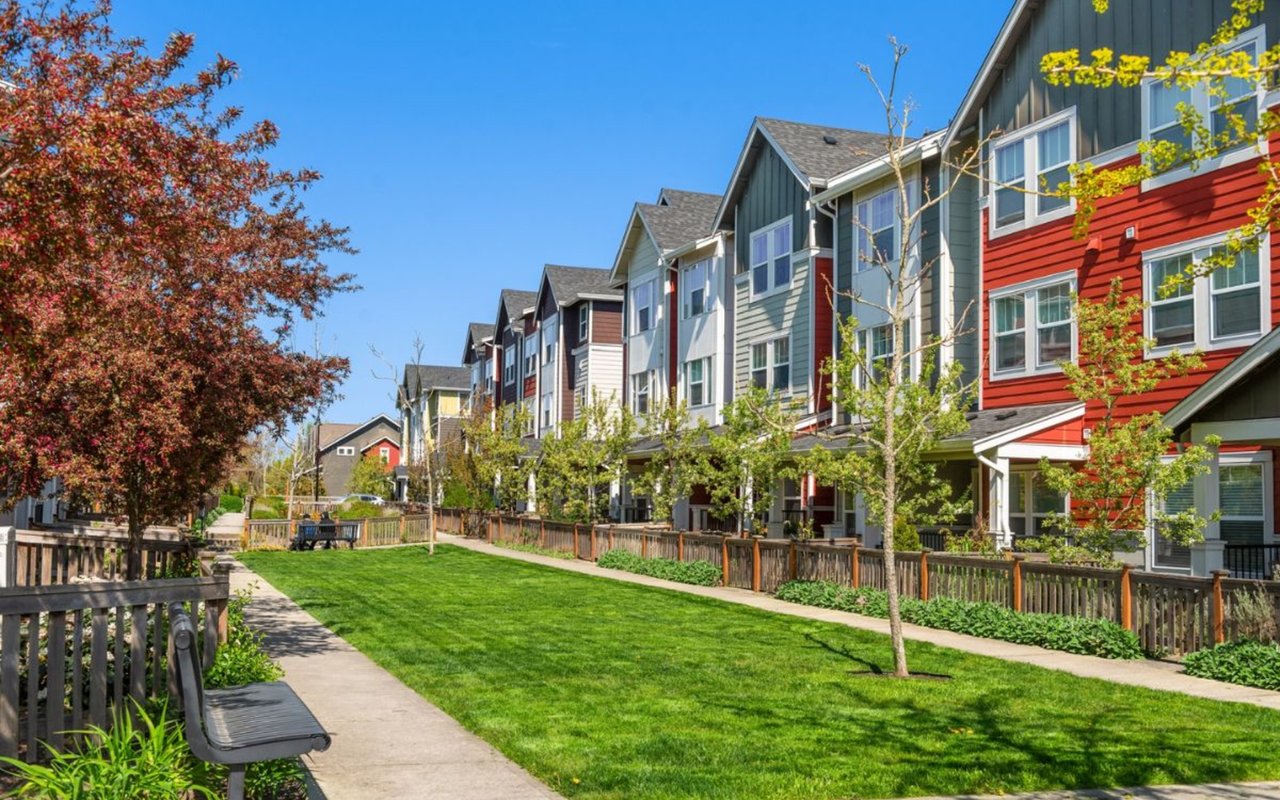
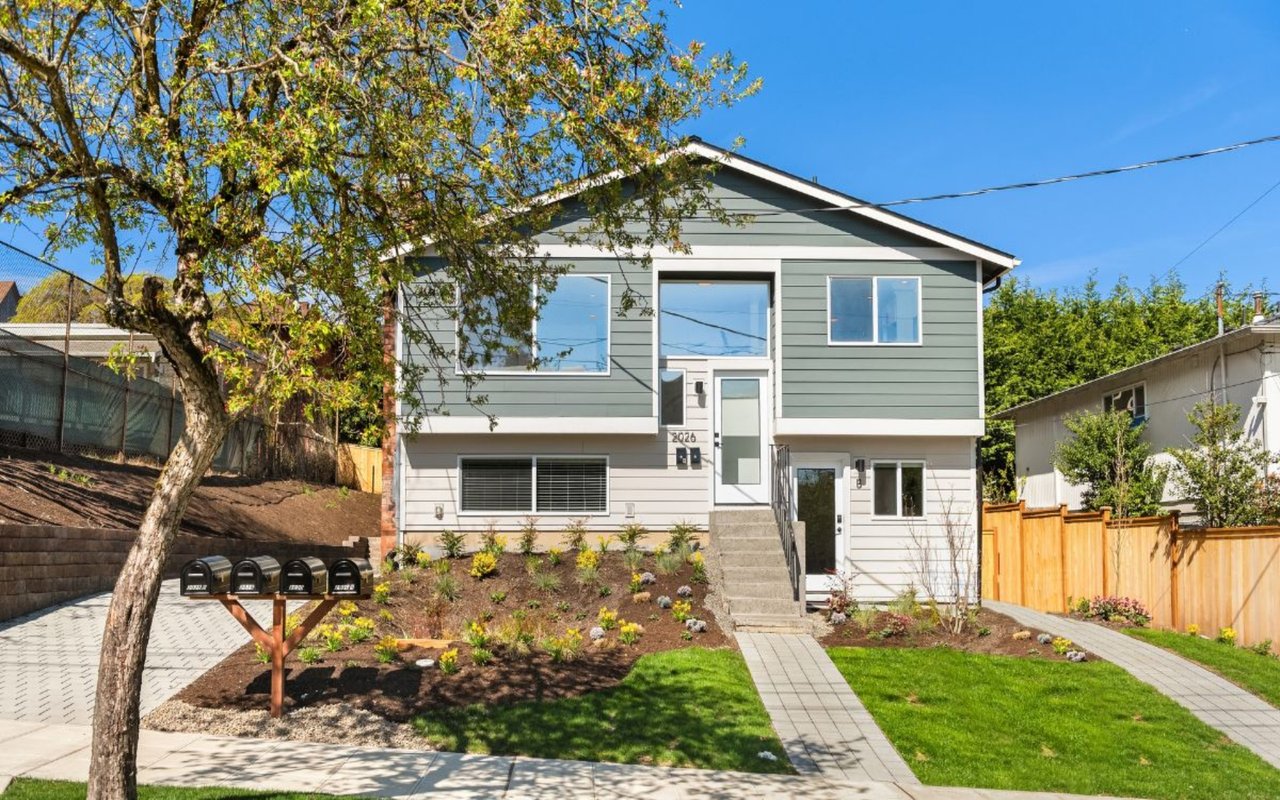
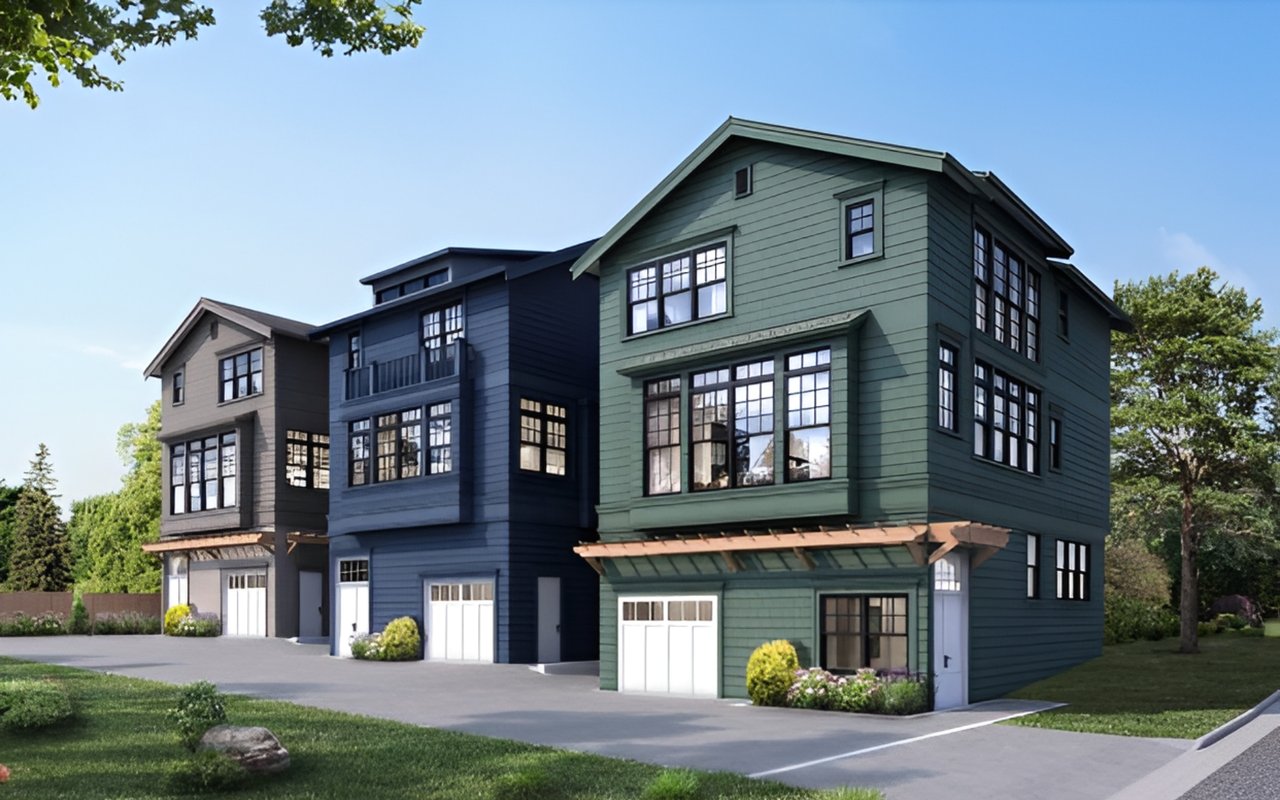
A townhome usually feels more like an attached house. Fannie Mae describes it as a multi-floor attached home with a private entrance and often a private deck or patio. In Washington, though, the exact ownership setup can vary, and some townhome-style properties may be organized under different common-interest structures depending on the declaration and plat.
Why the legal setup matters
The marketing label does not always tell the full story. Two homes that both look like townhomes may come with very different maintenance responsibilities, HOA structures, and use rules.
That is why reviewing the governing documents matters so much in Washington. The declaration, resale certificate, and association materials often reveal more than the listing description ever will.
What daily life feels like
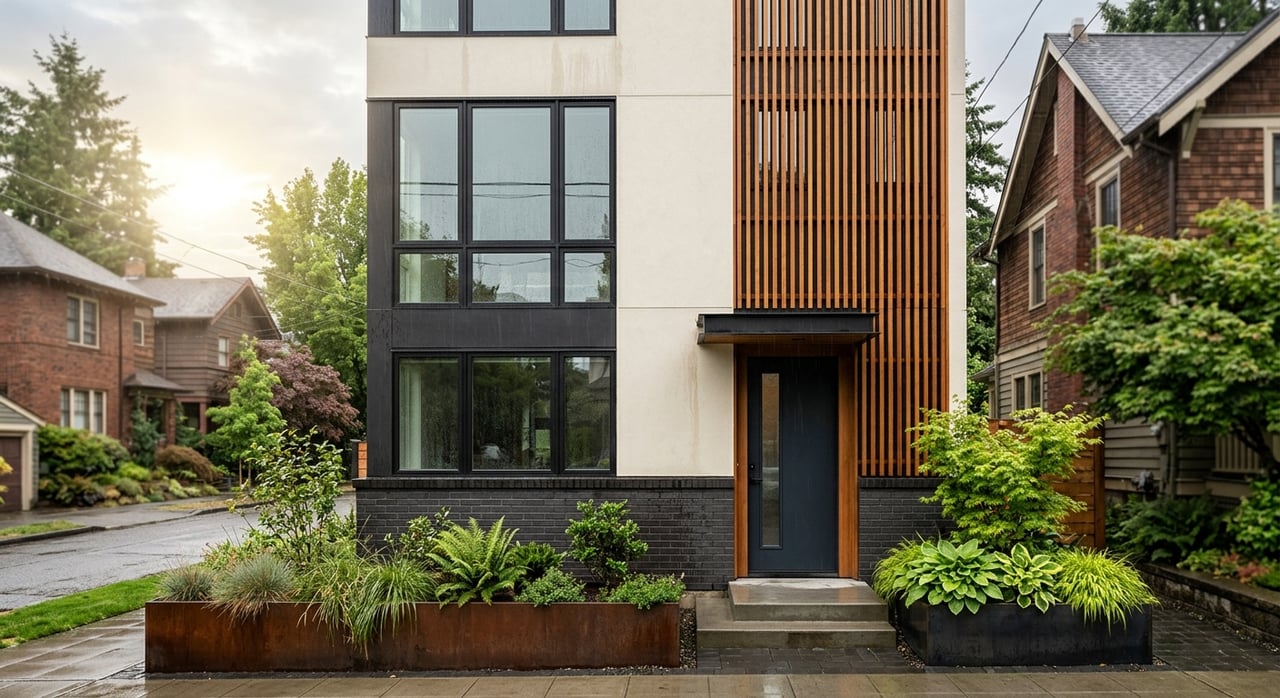
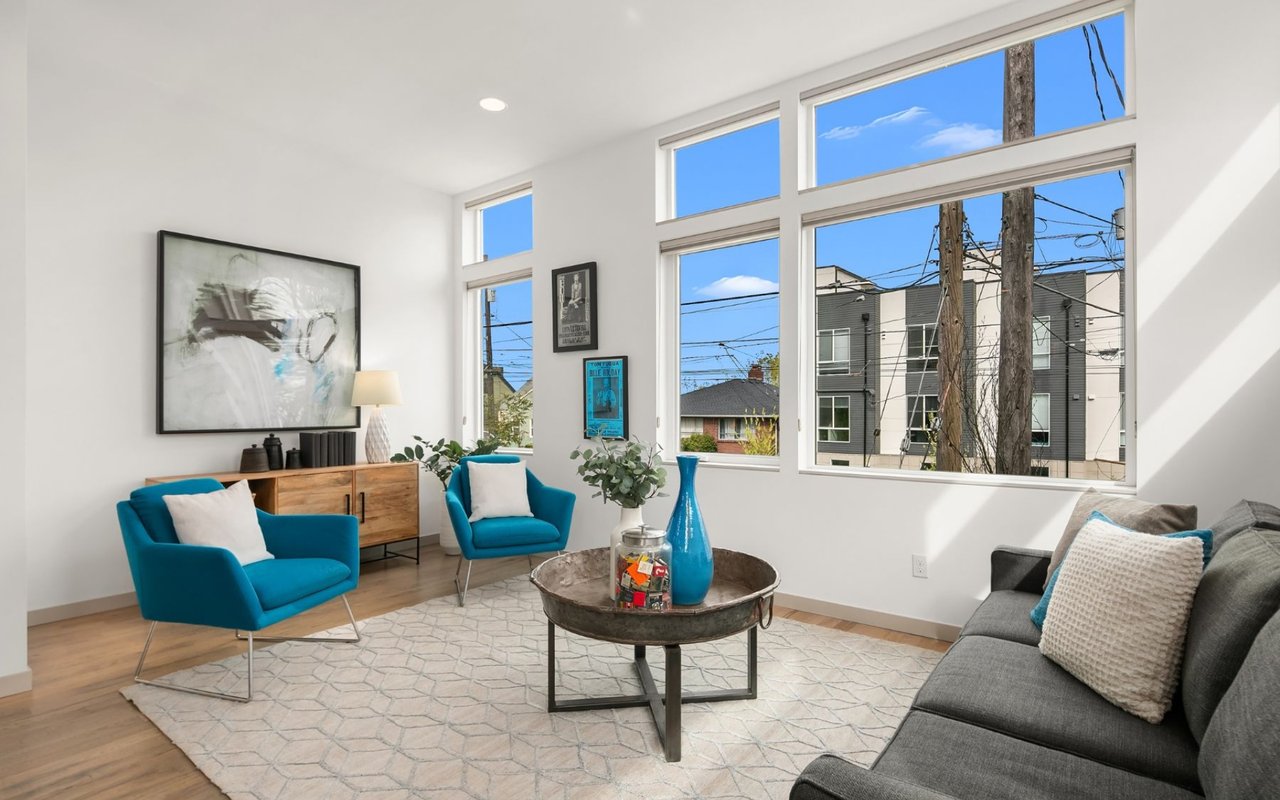
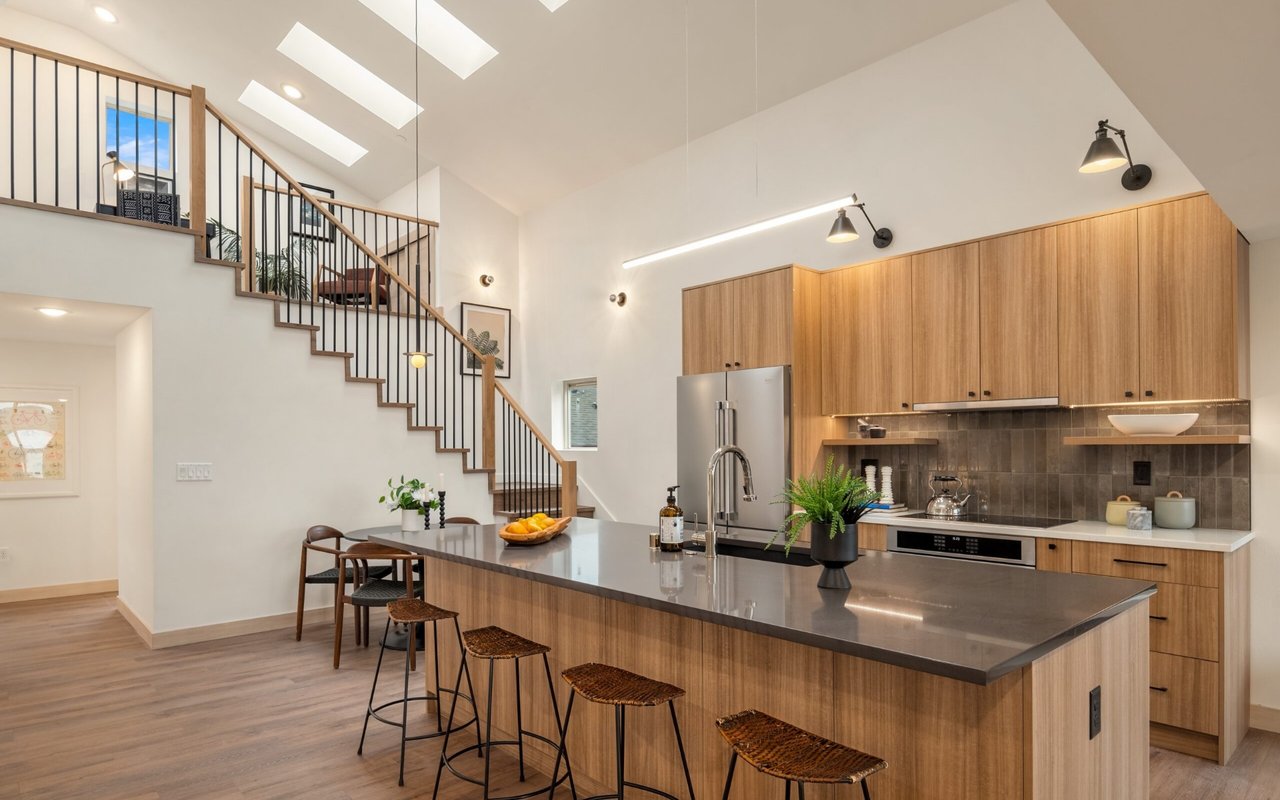
For many buyers, the better question is not “Which property type is better?” but “Which one feels more like me?” In Capitol Hill, condos usually lean toward efficient, amenity-driven urban living, while townhomes often offer a more private, house-like experience.
If you want a lock-and-leave home near restaurants, transit, and everyday conveniences, a condo may check a lot of boxes. If you want more separation from neighbors, a private front door, and a layout that feels less shared, a townhome may be a better fit.
When a condo makes sense
A condo may work well for you if you want:
- A lower entry price in Capitol Hill
- Simpler access to dense, walkable urban living
- Shared amenities or shared building maintenance
- An efficient footprint with less private exterior upkeep
When a townhome makes sense
A townhome may be the better fit if you want:
- More privacy and a more house-like layout
- A private entrance
- Multiple levels and more separation of space
- Better odds of having a deck, patio, or other private outdoor area
HOA dues deserve a close look
Monthly HOA dues are a major part of this decision. Fannie Mae notes that HOA fees are usually monthly and help cover operating costs and reserve contributions, and they are separate from your mortgage payment.
That means your true monthly housing cost may be more than principal, interest, taxes, and insurance. HOA dues can shape affordability just as much as the purchase price, especially if you are comparing a lower-priced condo with higher monthly dues against a higher-priced townhome with a different fee structure.
Ask what the HOA fee covers
Not all HOA dues are created equal. In one property, the fee may support building operations, common-area maintenance, and reserves. In another, it may also reflect exterior upkeep or shared amenities.
When you compare homes, ask:
- What does the HOA fee cover today?
- How has it changed over the past few years?
- Does it include reserve contributions?
- Are there any known upcoming increases?
Reserve studies and special assessments
In Washington, reserve studies are one of the most important due diligence items for condos and many common-interest communities. State law requires key disclosures in resale paperwork, including information tied to assessments, restrictions, and association details.
For you as a buyer, this is where future cost risk often shows up. A weak reserve position, deferred maintenance, or planned major work can lead to special assessments or larger dues increases later.
What to review before you buy
As you narrow your options, pay close attention to:
- Whether there is a current reserve study
- Whether the association has discussed major repairs
- Whether special assessments are planned or likely
- Whether the association appears to be funding reserves consistently
This matters for both condos and townhome communities, especially when exterior systems or shared components are involved.
Maintenance responsibilities are not always obvious
One of the most common buyer assumptions is that a townhome automatically means fewer rules and more owner control. Sometimes that is true in practice, but not always.
Washington law generally places maintenance responsibility for common elements on the association and responsibility for the unit on the owner, unless the declaration says otherwise. That means the real answer depends on the governing documents, not the property style alone.
Check these items carefully
Before you make an offer, confirm who is responsible for:
- Roofs
- Siding
- Decks
- Windows
- Shared walls
- Parking areas
- Storage spaces
- Limited common elements
This is one of the clearest ways to understand what your future upkeep and costs may really look like.
Outdoor space can tip the scale
In Capitol Hill, outdoor space can be a deciding factor. Fannie Mae notes that condos may not offer yard space, while townhomes often include a private entrance and some form of private outdoor deck or patio.
If you picture morning coffee outside, a spot for container plants, or a place to sit with friends on a summer evening, that difference may matter more than a few extra interior features. For some buyers, usable outdoor space is the thing that makes a home feel livable long term.
Financing may be easier for one option
Financing is another area where condos and townhomes can differ. Fannie Mae notes that condo lending can involve more project-level review because owners share financial responsibility for common areas and amenities.
That does not mean condo financing is always difficult. It does mean the approval process may require extra association documents, more review, and sometimes more time than buyers expect.
Questions to ask your lender early
If you are considering a condo, ask:
- Will this purchase require condo project review?
- What association documents will the lender need?
- Could the review affect timing or closing costs?
Getting those answers early can save stress later, especially in a competitive market.
Rental rules and future flexibility
Even if you plan to live in the home for years, it is smart to think ahead. Washington resale-certificate disclosures warn that governing documents can include restrictions on uses, changes, signs, and other property-related rules.
If your plans might change later, check whether the community has rental restrictions, pet rules, parking rules, storage rights, or exterior-change approval requirements. These details can shape how flexible the property will feel over time.
A simple Capitol Hill decision guide
If you want the shorter version, here is the practical takeaway for Capitol Hill buyers. A condo often makes sense if you want the lower-entry-price urban option and you are comfortable with shared systems, shared spaces, and more association oversight.
A townhome often makes sense if you want more privacy, a more house-like feel, and a better chance at private outdoor space. In Capitol Hill, the tradeoff is usually paying more upfront for that added separation and flexibility.
How to choose with confidence
When you tour homes, try to look past staging and square footage for a moment. Ask yourself how you want your day to begin, how much privacy you want, whether outdoor space matters, and how comfortable you are with shared building systems and HOA oversight.
Then pair that lifestyle lens with the hard facts: list price, HOA dues, reserve health, maintenance responsibility, financing complexity, and future-use rules. That is usually where the best decision becomes clear.
If you want help weighing the tradeoffs in Capitol Hill, talking through documents, or narrowing down which option fits your budget and lifestyle, Amber Arnall & Ian Gordon bring a thoughtful, place-first approach to finding the right fit.
FAQs
What is the main price difference between condos and townhomes in Capitol Hill?
- As of June 1, 2026, Redfin shows Capitol Hill condos with a median list price of $400,000 and townhouses with a median list price of $999,000, suggesting townhomes are scarcer and generally more expensive.
What is the ownership difference between a Capitol Hill condo and townhome?
- A condo usually means you own an individual unit within a larger community while common areas are owned jointly, while a townhome often feels more like an attached house, though the exact Washington ownership structure depends on the declaration and plat.
What HOA questions should Capitol Hill buyers ask before touring?
- Ask what the HOA fee covers, how it has changed over time, whether there is a current reserve study, whether special assessments are planned, and who handles exterior maintenance and common elements.
What financing issue should buyers know about with Capitol Hill condos?
- Condo financing can involve added project review and more association paperwork, which may increase the time and complexity of mortgage approval.
What should buyers check about future flexibility in a Capitol Hill condo or townhome?
- Review the governing documents for rental rules, pet rules, parking and storage rights, exterior-change approvals, and maintenance responsibility for items like roofs, siding, decks, and windows.