Choosing where to live in the Seattle area can feel like picking between three different versions of daily life. You might be weighing commute time, walkability, home style, and budget all at once, and each option can look appealing for different reasons. The good news is that Seattle, the Eastside, and South King each offer a distinct rhythm, and once you know what matters most to you, the choice gets much clearer. Let’s dive in.
Start With Your Daily Routine
If you are trying to choose between Seattle, Kirkland, and Renton, the smartest place to start is not with square footage or price. It is with how you actually want your week to feel. Your commute, your errands, and how often you want to drive versus walk or ride transit will shape your experience more than any listing photo ever could.
A practical way to narrow your search is to look at commute first, housing type second, and budget third. According to the local planning and market sources in this comparison, those are the clearest differences between these three areas. Once you rank those priorities, your home base usually starts to reveal itself.
Seattle: The Urban, Transit-Rich Option
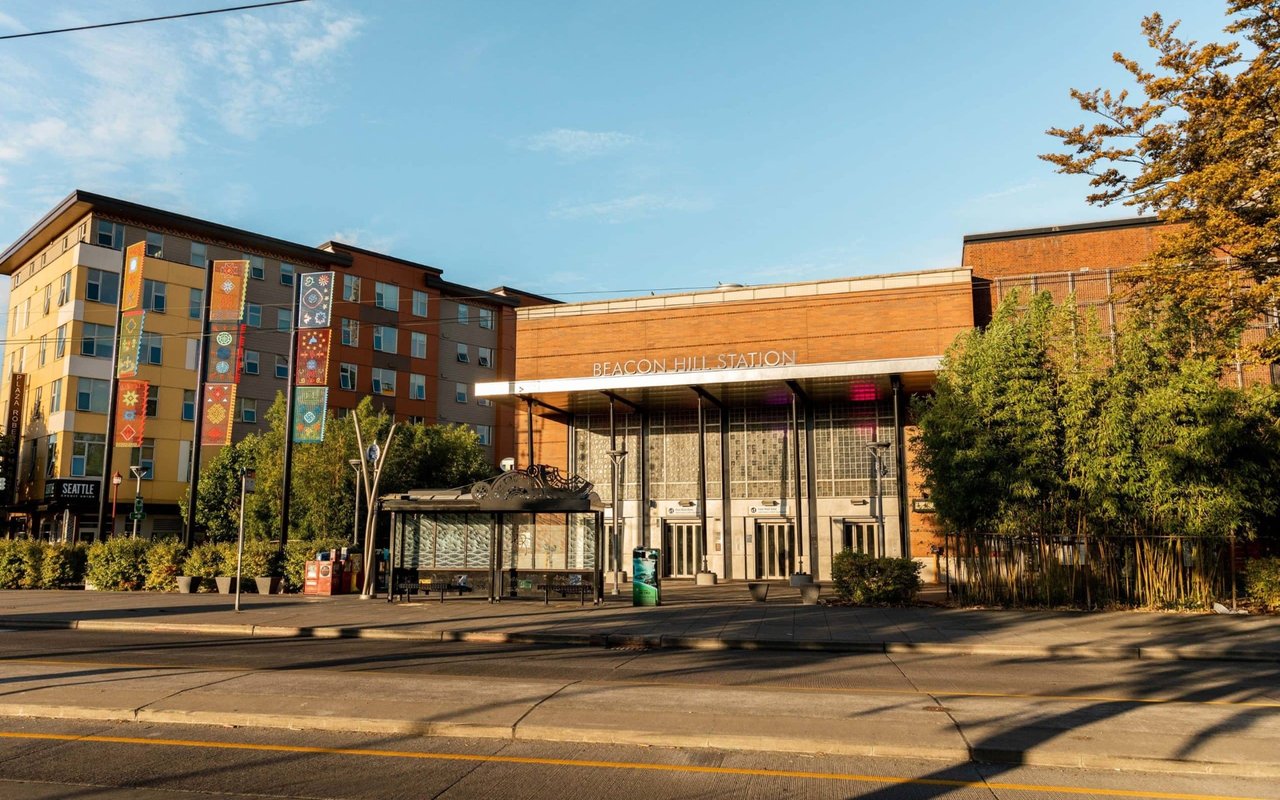
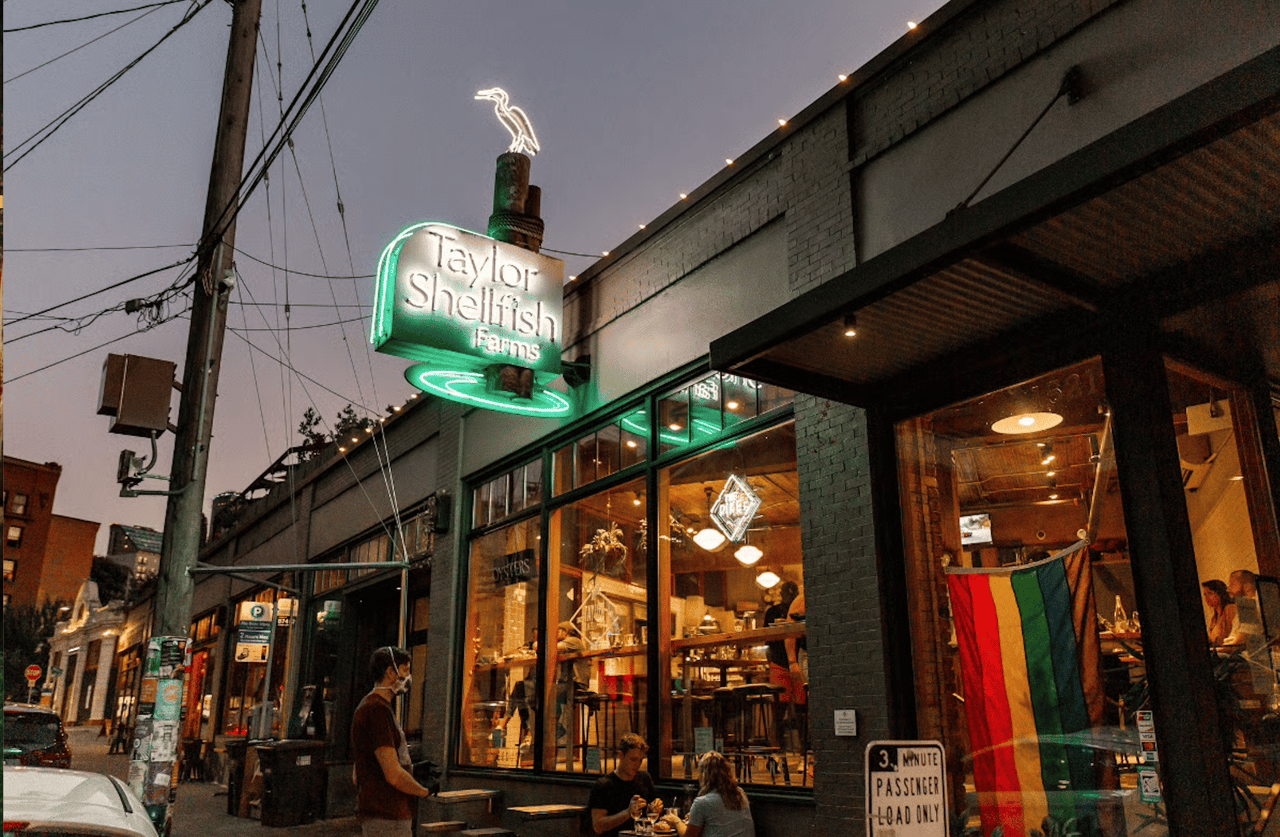
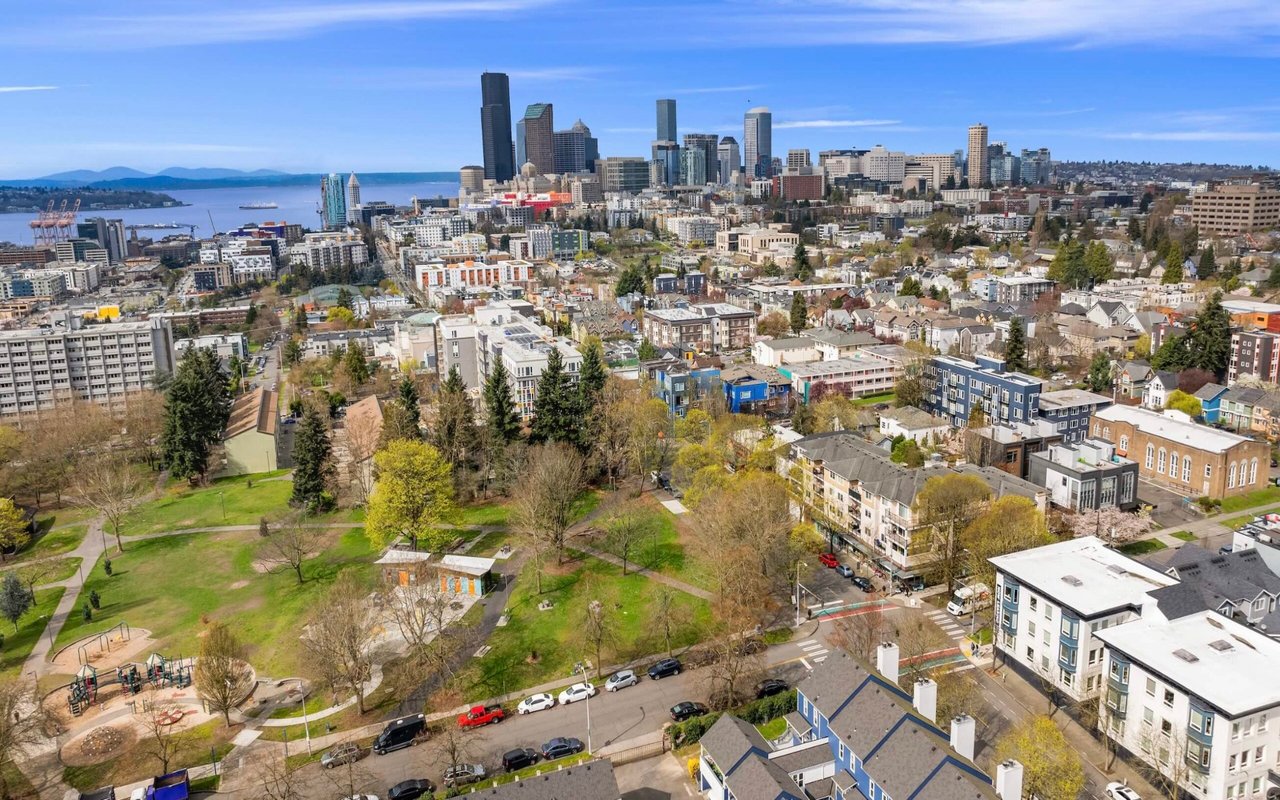
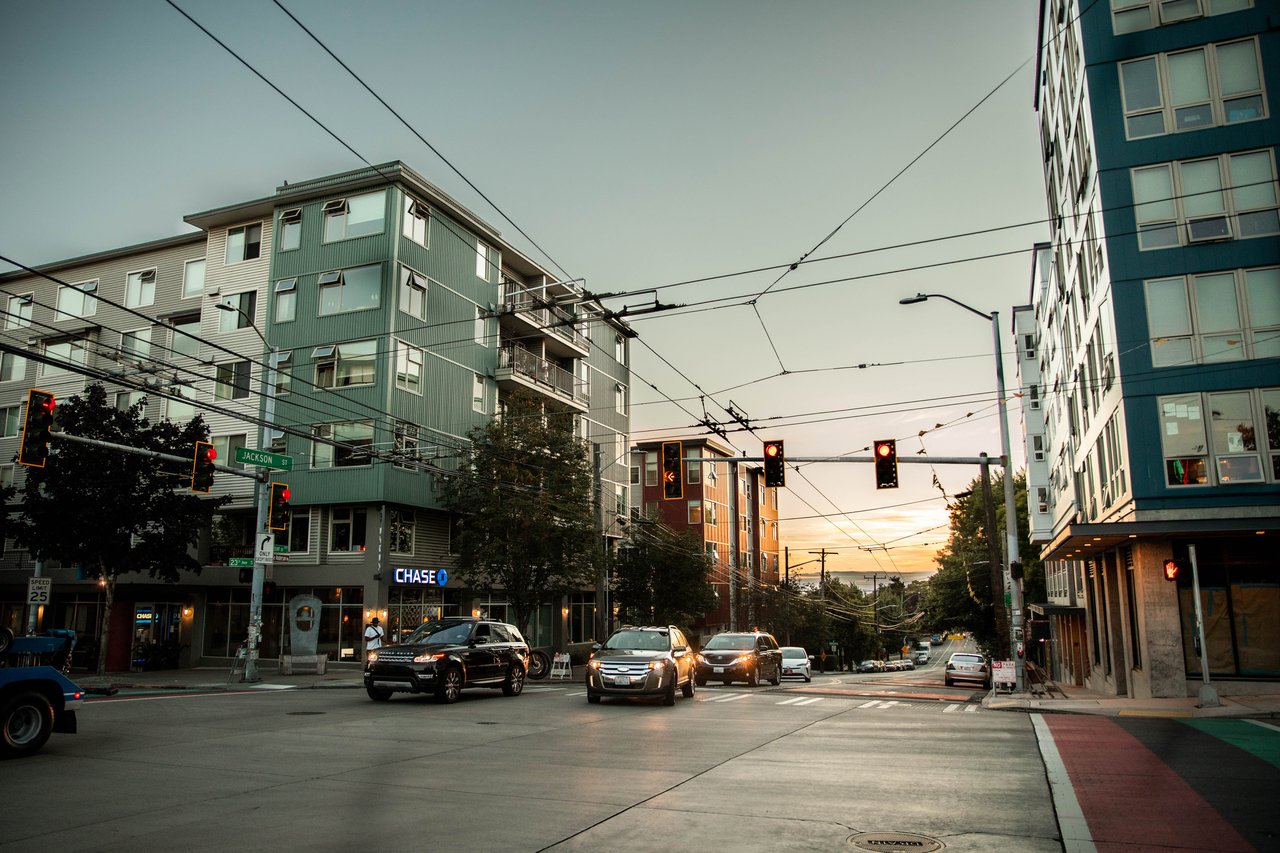
Seattle proper is the strongest fit if you want a dense, connected, city-centered lifestyle. As a benchmark for that experience, Capitol Hill stands out because Seattle describes the First Hill and Capitol Hill regional center as a centrally located hub for urban living, nightlife, and major institutional campuses. The area also has Link light rail and a streetcar line, with many residents able to walk, bike, or take transit to work and daily needs.
This part of Seattle offers a built-in daily environment. Housing, restaurants, arts, and nightlife are woven together, which means a lot of your routine can happen close to home. If you picture yourself stepping out your front door and being right in the middle of things, Seattle is the clearest match.
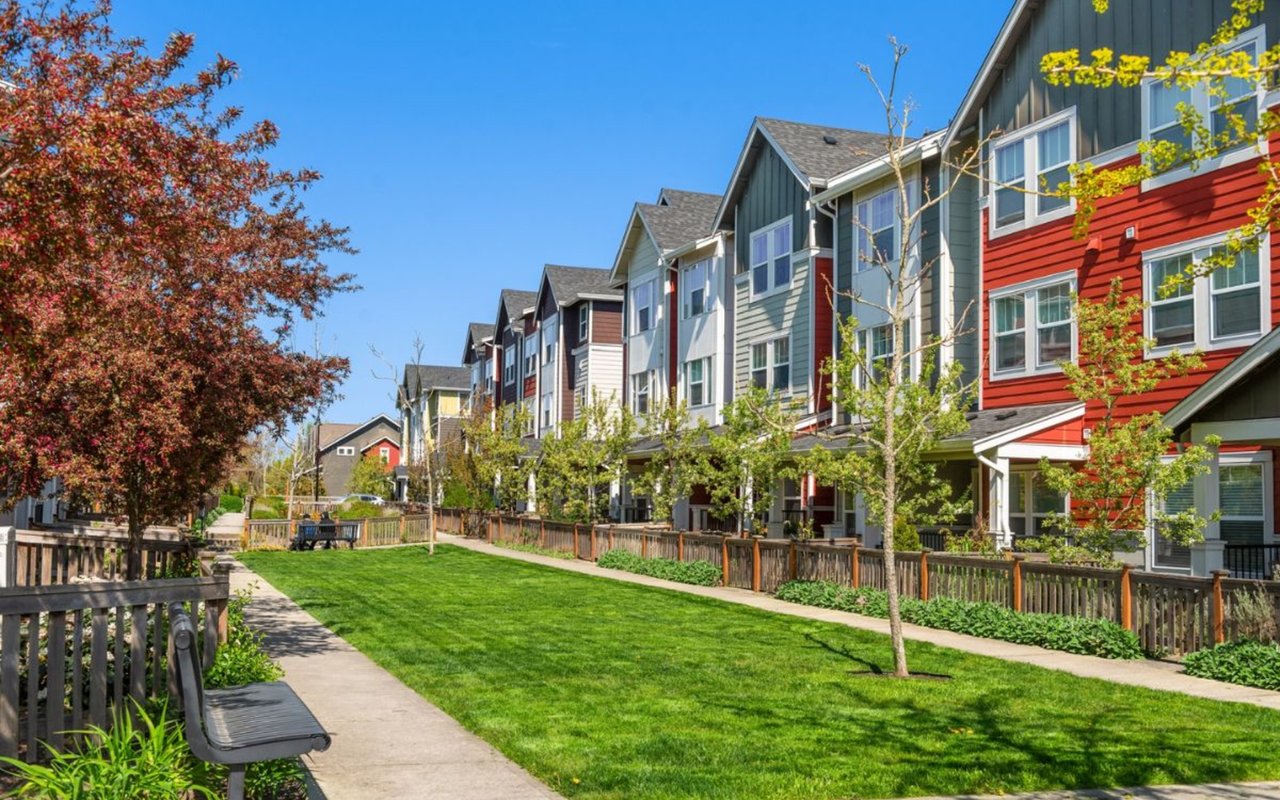
Capitol Hill also shows how mixed Seattle housing can be. The urban core leans toward apartments, condos, and mixed-use blocks, while nearby pockets include more traditional residential fabric. In other words, Seattle is not just one housing type, but it does lean more urban than the other options in this comparison.
The arts and culture side is also part of the appeal. Seattle’s Arts and Cultural Districts program identifies Capitol Hill as the first district in the program, and says Pike/Pine is the densest arts neighborhood in Washington with more than 40 arts and cultural organizations. For buyers who want energy, activity, and cultural access close by, that matters.
From a market perspective, Seattle’s median sale price was about $865,000 in March 2026, with homes averaging about 12 days on market. That places Seattle in the middle of this three-way price comparison. It is not the lowest-cost option, but it is notably below Kirkland’s spring 2026 price point.
Who Seattle Fits Best
Seattle is likely the right home base if you:
- Want a more car-light lifestyle
- Commute often to downtown Seattle, South Lake Union, or other central-city destinations
- Prefer condos, apartments, or mixed-use living environments
- Value nightlife, arts, and transit access as part of everyday life
Eastside: Kirkland for Waterfront and Ownership Appeal
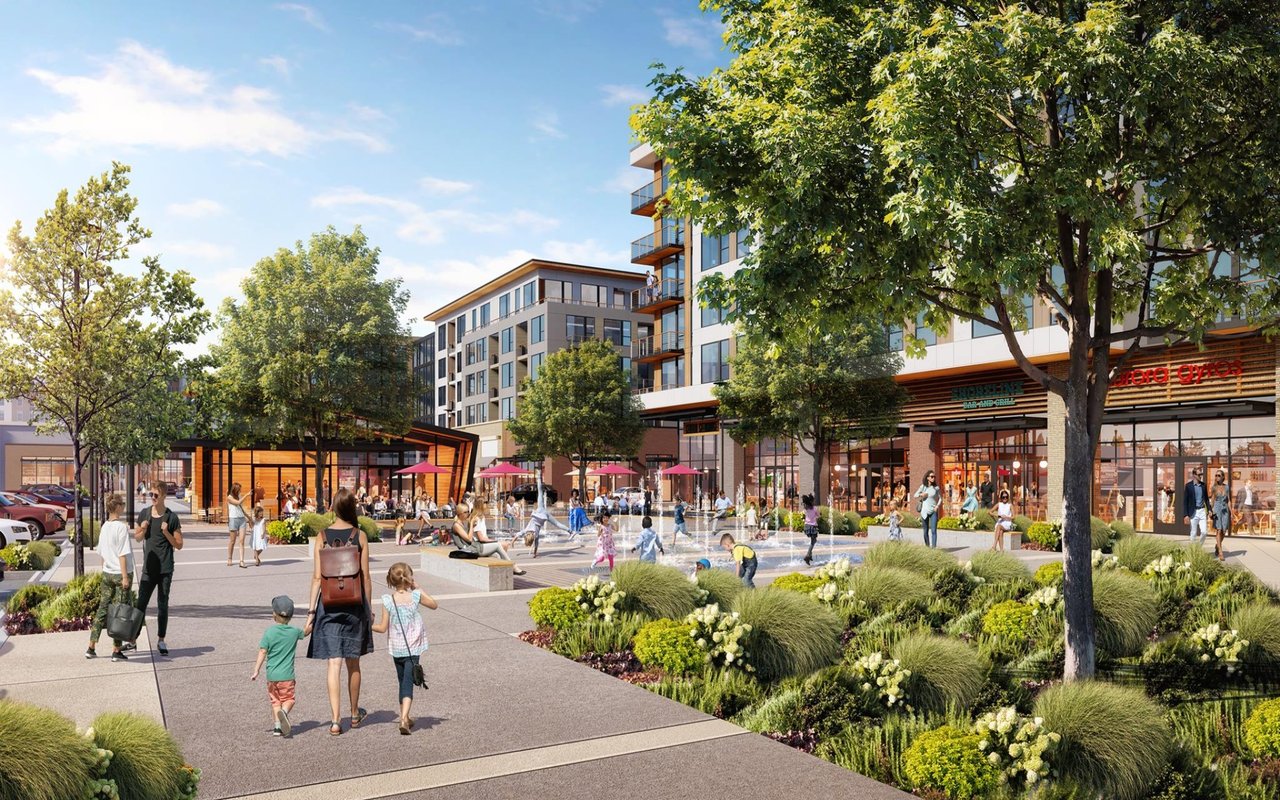
If Seattle feels a little too dense, but you still want a walkable center and a strong sense of place, Kirkland offers a different version of connected living. Greater Downtown Kirkland is planned as a mixed-use area with high- and medium-density residential development, and the city says its goal is to foster a walkable, compact, pedestrian- and transit-oriented district.
One key difference is that Kirkland is planning around future transit-oriented growth rather than existing Link service in the way Seattle does. The city says downtown planning is focused in part on maximizing a future BRT station, which gives Kirkland a more evolving transit story. For some buyers, that means a good blend of walkability today with long-term transportation improvements ahead.
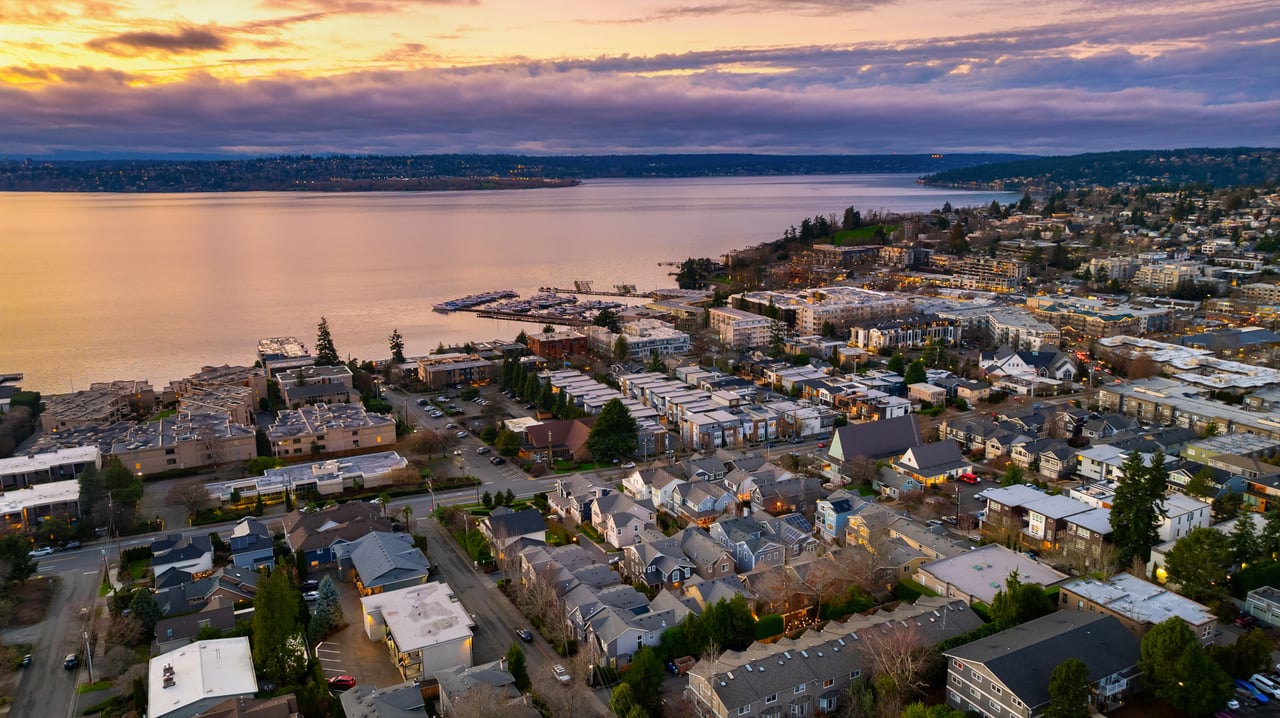
Kirkland also stands apart on lifestyle. Marina Park sits downtown near restaurants and shops, and includes a sandy beach, boat launch, public art, summer concerts, and views across Lake Washington toward Seattle. That waterfront setting gives Kirkland a polished, outdoor-oriented feel that is distinct from Seattle’s denser urban core and Renton’s value-driven flexibility.
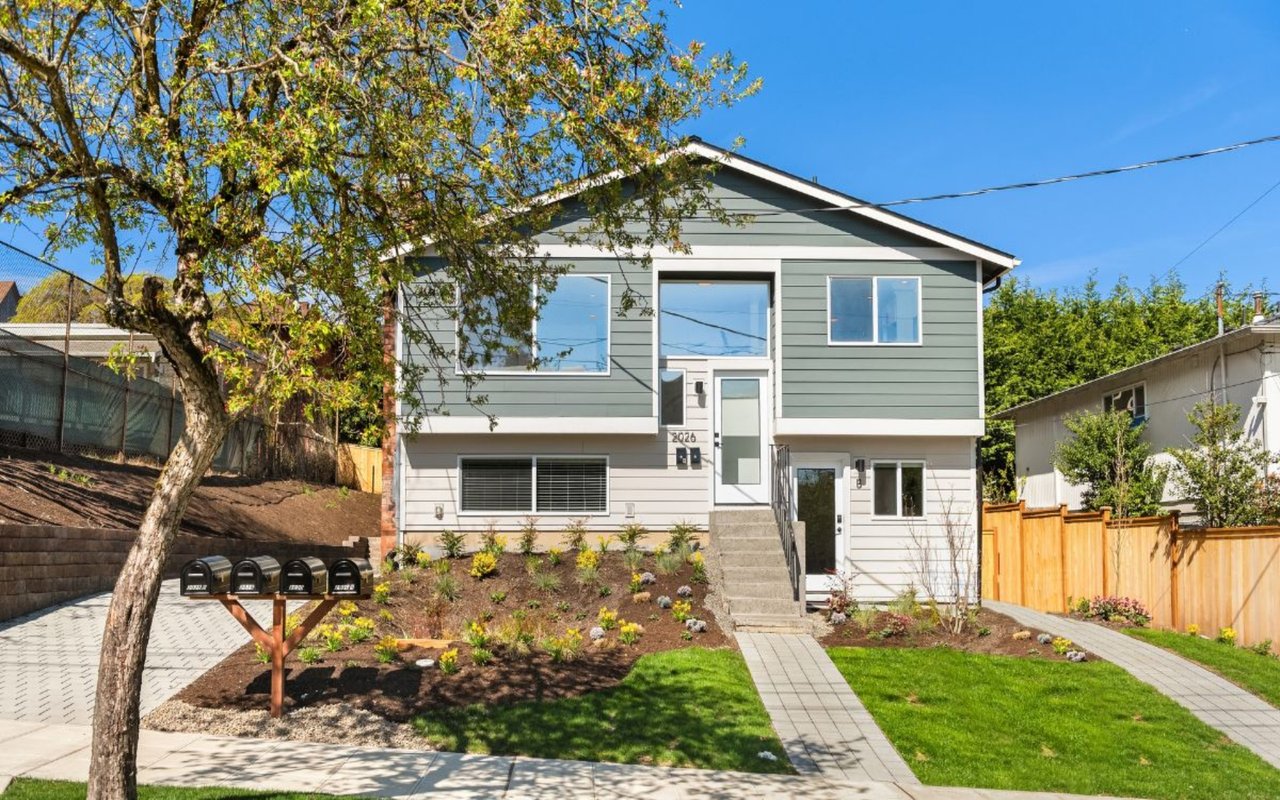
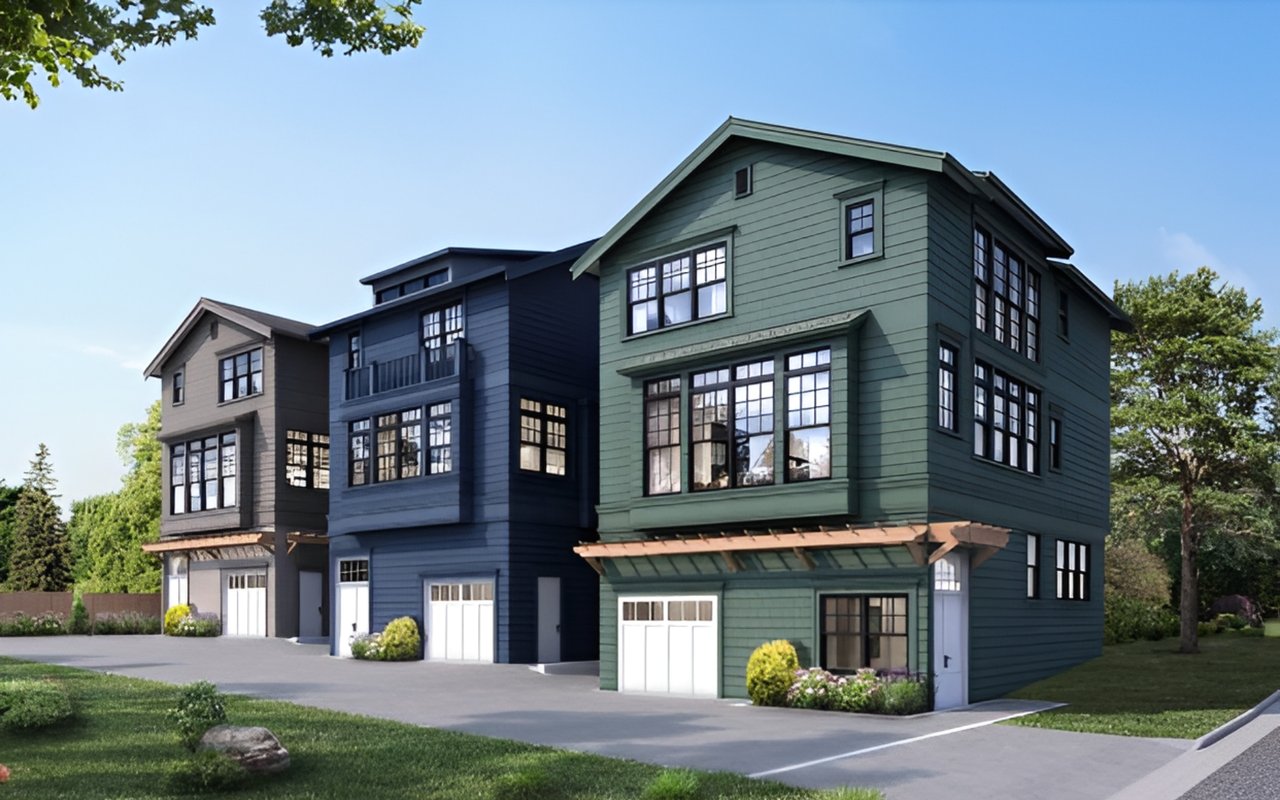
Housing is also broader here than some buyers assume. Kirkland says more than 75% of the city’s land area is zoned for housing, including single-family homes, multifamily apartments, and condominiums. The city also notes growing use of mixed-use developments, ADUs, cottages, duplexes, triplexes, and residential suites.
The numbers reinforce Kirkland’s market position. The city’s 2022 demographic profile lists a median household income of $144,799, with more owner-occupied units than renter-occupied units. Redfin’s spring 2026 snapshot shows a median sale price of about $1,279,234 and around 13 days on market, making Kirkland the highest-priced option in this comparison.
Who Kirkland Fits Best
Kirkland may be your best fit if you:
- Want a waterfront setting with a walkable downtown
- Prefer an owner-leaning market
- Need room in your search for single-family homes as well as compact housing options
- Are comfortable shopping in a higher-budget market
- Like the idea of a polished Eastside base with transit-oriented growth ahead
South King: Renton for Flexibility and Value
If your priority is stretching your budget while keeping a mix of housing choices on the table, Renton is the strongest value play in this comparison. Renton’s comprehensive plan describes the city as a Core City, with an Urban Center that includes Boeing, The Landing, and the Downtown Business District as major civic, cultural, and employment centers. The same plan says recent revitalization has turned former car-oriented development into a more compact, walkable mixed-use neighborhood.
That matters if you want convenience without paying Seattle or Eastside pricing. Renton offers a city center that is actively changing, with homes near shopping, services, and public transportation. It is not trying to be Seattle, and that is part of the point.
Downtown Renton also has a distinct identity. The city describes City Center, Cedar River, and West Hill as a walkable downtown and riverfront area with dining, retail, culture, and mixed-use housing, connected to regional destinations like The Landing and Southport. The district profile lists 22,550 residents, 9,407 households, a median income of $86,183, and 30% of residents speaking another language at home.
Transit and civic investment are a major part of Renton’s story right now. Sound Transit says the new Renton Transit Center will serve the future Stride S1 line, local King County Metro service, and future RapidRide I service. King County Metro says RapidRide I is planned for 2027, while Sound Transit says Stride S1 is anticipated to begin service in 2028.
Housing variety is another big advantage. Renton’s rental registration system covers single-family homes, condos, duplexes, triplexes, and apartment complexes, which supports the idea that this is a broad product market. If you do not want to limit yourself to one housing format, Renton gives you more flexibility.
The market snapshot helps explain why many buyers keep circling back to it. Redfin’s spring 2026 data shows a median sale price of about $712,074 and roughly 11 days on market. That lower price point can materially change your search strategy compared with Seattle and especially compared with Kirkland.
Who Renton Fits Best
Renton is likely the right home base if you:
- Want more budget flexibility
- Need a wider mix of housing types
- Are open to a city that is still evolving through transit and downtown upgrades
- Want access to South King County with connections to larger regional job centers
Compare the Three at a Glance
| Area | Best Known For | Housing Feel | Transit Profile | Spring 2026 Median Sale Price |
|---|---|---|---|---|
| Seattle | Urban living, nightlife, arts | Apartments, condos, mixed-use, some residential pockets | Strong existing Link and streetcar access in core areas | $865,000 |
| Kirkland | Waterfront lifestyle, walkable downtown | Single-family plus condos, apartments, mixed-use | Planning around future BRT and regional transit connections | $1,279,234 |
| Renton | Value, flexibility, evolving downtown | Broad mix from single-family to multifamily | Transit center growth, future Stride S1 and RapidRide I | $712,074 |
How To Make the Final Choice
If you are stuck between two or all three, try pressure-testing your decision with a few honest questions. Think about where you will spend most of your weekdays, how often you want to drive, and what kind of surroundings help you feel most at home. That usually narrows the field faster than comparing features on paper.
Ask yourself:
- Do you want daily life to feel more urban, more waterfront-oriented, or more flexible and budget-conscious?
- Is your work or routine centered in central Seattle, the Eastside, or South King County?
- Are you mostly looking for a condo, a townhome, or a single-family home?
- Would you rather pay more for a polished location now, or prioritize value and a broader search range?
- Do you want existing high-frequency transit nearby, or are you comfortable buying into an area that is still building toward that future?
The right answer is not about which area is “best.” It is about which tradeoffs fit your version of home. Seattle offers the most immediate urban energy and transit access, Kirkland leans toward waterfront appeal and a higher-budget ownership market, and Renton stands out for value and housing flexibility.
If you want help translating those tradeoffs into a search that feels more personal and less overwhelming, Amber Arnall & Ian Gordon can help you find the neighborhood that fits how you actually want to live.
FAQs
How do Seattle, Kirkland, and Renton compare on home prices?
- Based on spring 2026 market snapshots, Seattle was about $865,000, Kirkland was about $1,279,234, and Renton was about $712,074, making Renton the lowest-priced and Kirkland the highest-priced of the three.
Which area has the strongest transit access for a Seattle-area home base?
- Seattle is the strongest choice for existing transit-rich living in this comparison, especially in core areas like Capitol Hill with Link light rail and streetcar service.
What kind of housing can you expect in Seattle, Kirkland, and Renton?
- Seattle leans more urban with apartments, condos, and mixed-use buildings, Kirkland offers a mix of single-family and multifamily options, and Renton has a broad range that includes single-family homes, condos, duplexes, triplexes, and apartments.
Is Kirkland or Renton better if you want more space than Seattle?
- Both can offer alternatives to Seattle’s denser core, but Kirkland is generally the higher-budget, owner-leaning option while Renton is more value-oriented and flexible on housing type.
What should you prioritize first when choosing between Seattle, the Eastside, and South King?
- A practical way to narrow your search is to prioritize commute first, housing type second, and budget third, because those are the clearest differences across these three markets.