Torn between Redmond and Kirkland? You are not alone. Both Eastside cities offer incredible access to jobs, parks, and dining, yet the day-to-day feel is very different. In this guide, you will get a clear, side-by-side look at lifestyle, commute, parks, and housing patterns so you can pick the place that matches how you want to live. Let’s dive in.
Core vibe and lifestyle
Kirkland: Walkable waterfront energy
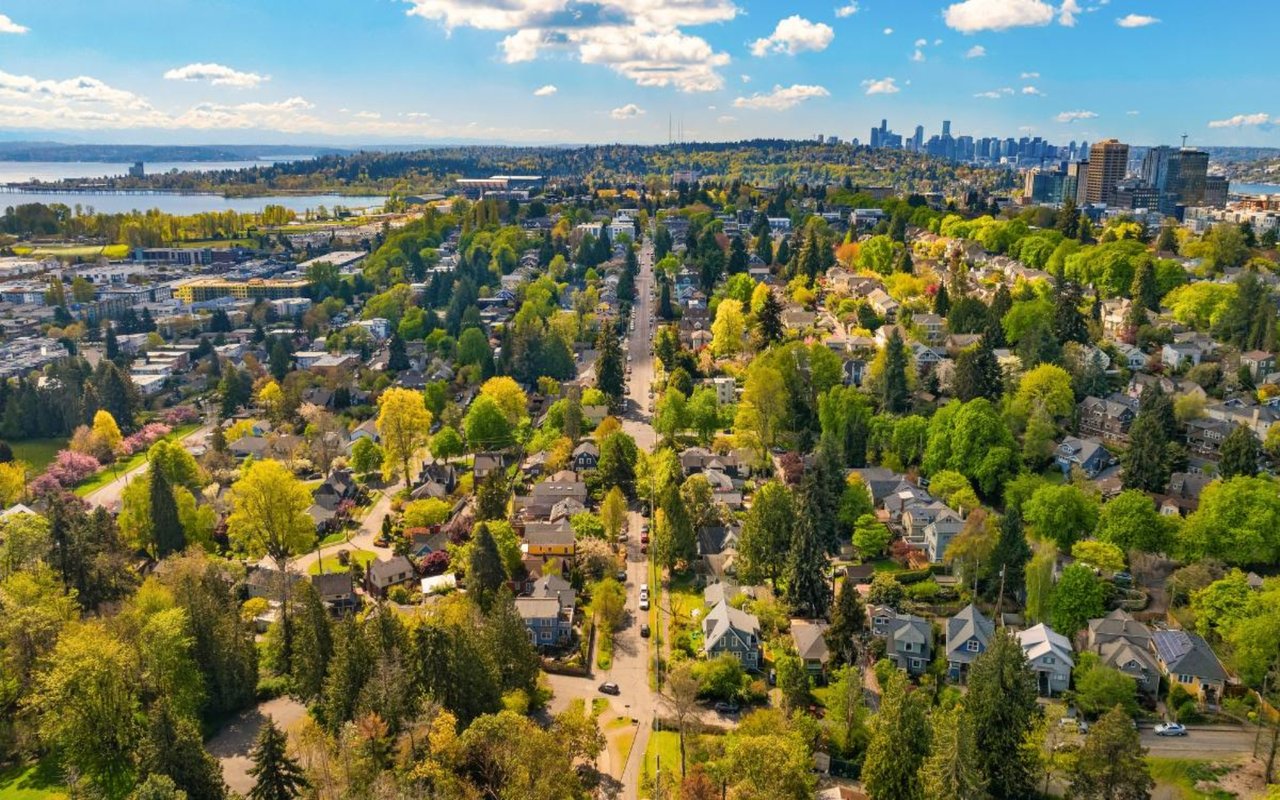
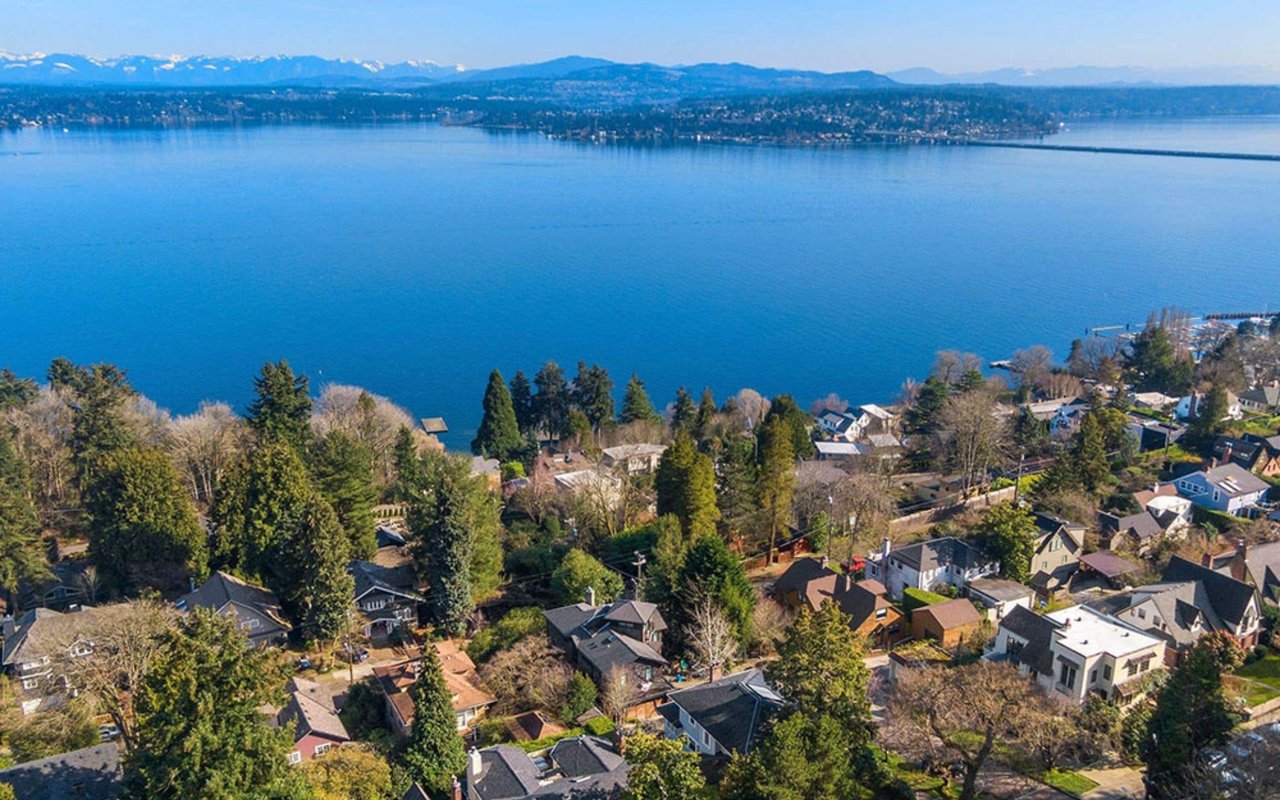
Kirkland centers on a charming, compact downtown right on Lake Washington. Marina Park, the waterfront promenade, and a cluster of boutiques and restaurants create an easy, car-light day. If lakeside walks, small beaches, and sunset dining are on your daily wish list, Kirkland fits that vision. For a feel of its shoreline rhythm and events, explore the city’s visitor guide to a summer day along the waterfront at Marina Park and nearby spots.
Redmond: Multi‑center tech hub
Redmond is larger and more distributed, with several active centers: Old Redmond and Downtown, Redmond Town Center, Overlake near Microsoft, and the growing Marymoor Village area. The city is planning and building more homes near transit through its long-range vision, which you can see on the Redmond 2050 housing page. If you like a bigger menu of stores, services, and new mixed-use options, Redmond gives you range.
Downtown life and walkability
Kirkland’s heart is intimate and very walkable, with the lake always in view. You can grab coffee, browse shops, and be on the dock in minutes. The compact footprint keeps most favorites within a short stroll.
Redmond’s downtown is broader and still evolving. You will find a growing restaurant scene, casual entertainment, and new housing clustered near Link light rail. It is less waterfront romance and more everyday convenience across several nodes.
Parks and water access
Kirkland’s shoreline is the showcase. Downtown’s Marina Park and the larger Juanita Beach Park offer swimming areas, piers, and easy lake access, plus regular seasonal events. If daily lake life is a must, Kirkland leads.
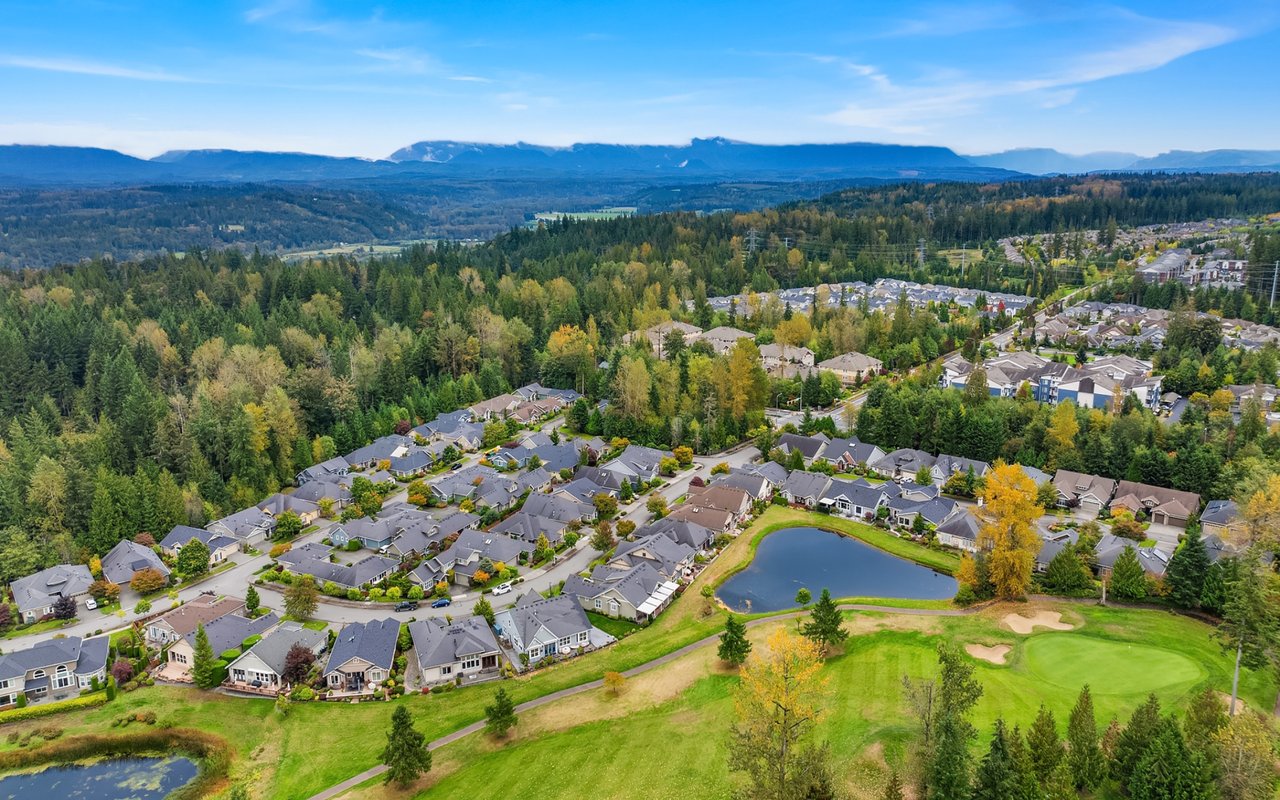
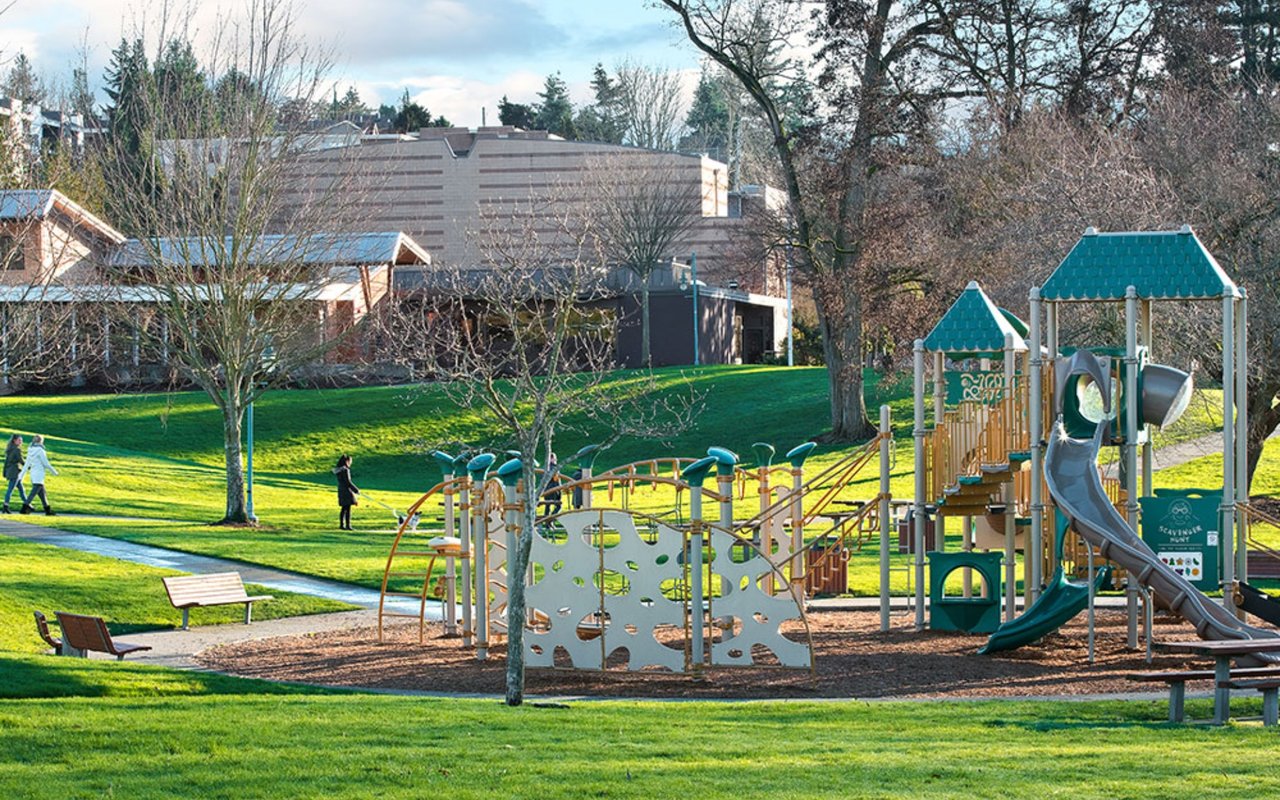
Redmond trades shoreline for big, active parks. Marymoor Park anchors concerts, sports fields, a beloved dog park, and a trail network that connects to the Sammamish River Trail. If you want green space, cycling, and large multi-use parks, Redmond delivers in a big way.
Home types and price patterns
Both cities sit in the high end of the Eastside market. Recent city snapshots show Redmond’s median sale price around $1.50 million and Kirkland around $1.35 million. Prices shift widely by neighborhood and property type, especially for waterfront or transit-adjacent homes. The Northwest MLS is the local gold standard for live comparables and trend context, which you can see in their annual review.
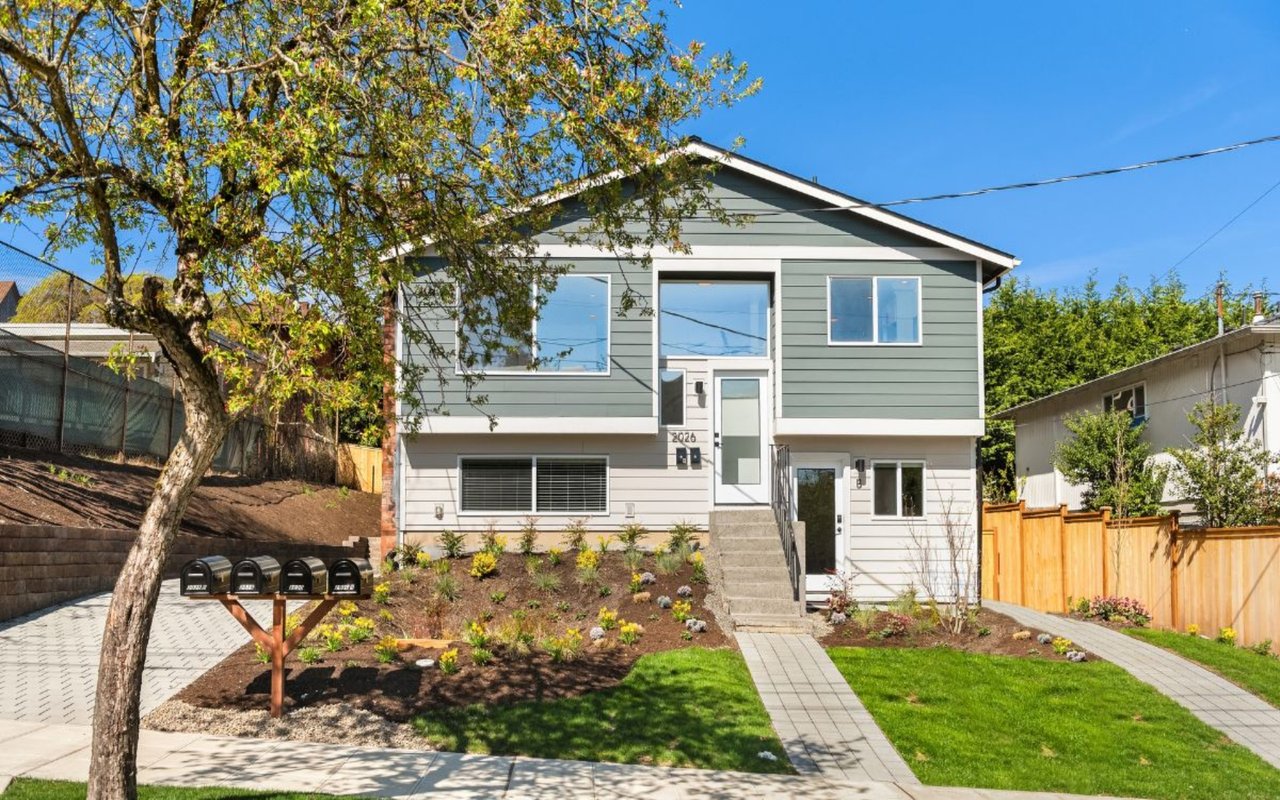
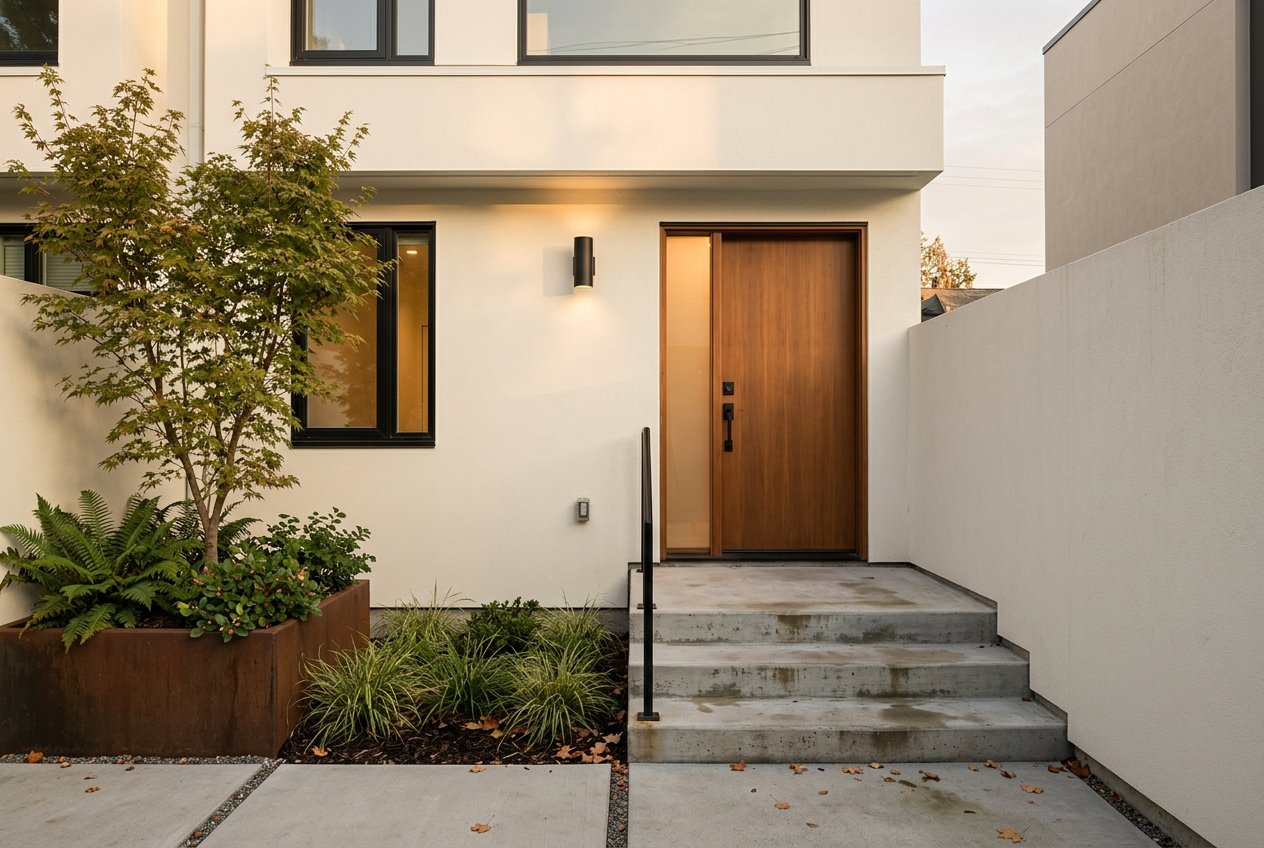
- Redmond: Many single-family neighborhoods plus growing condo and townhome options in Downtown and Overlake, boosted by transit-oriented development highlighted in Redmond 2050. You will also see more middle-housing near stations over time.
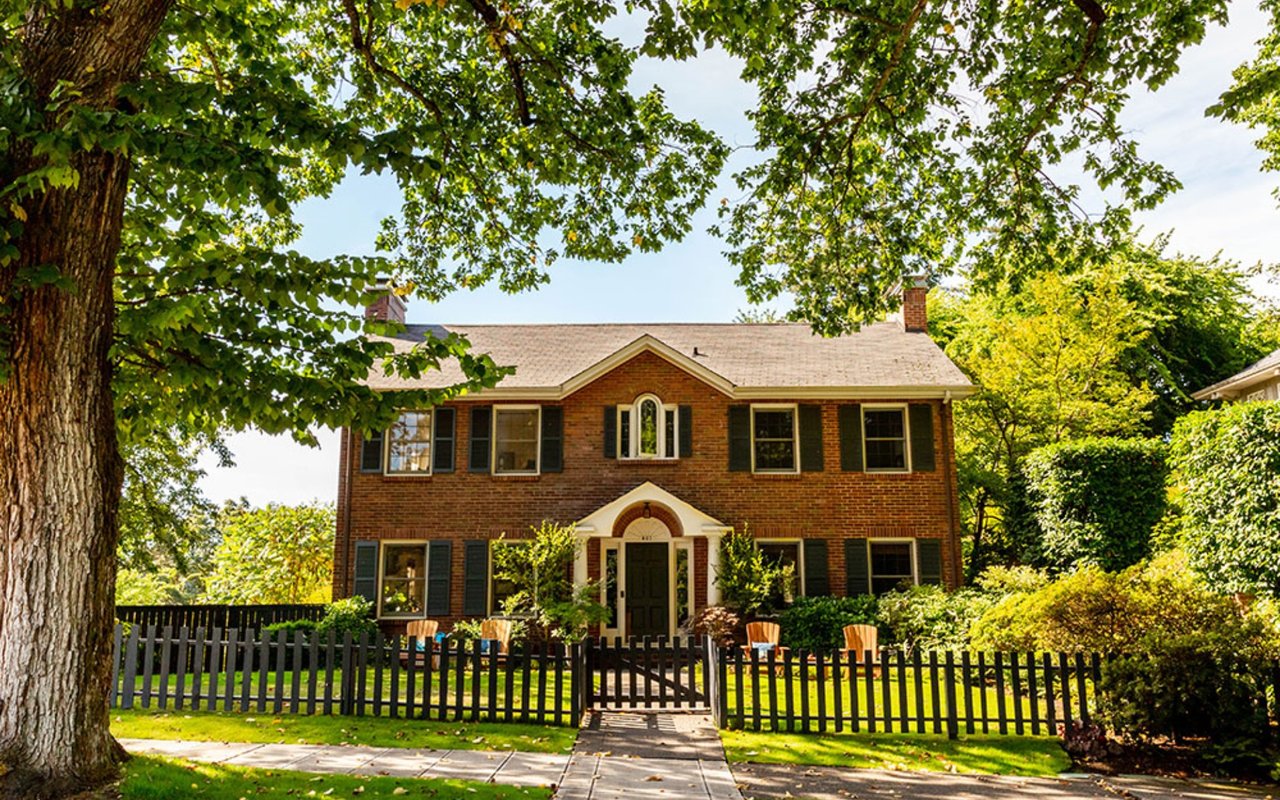
- Kirkland: Long-established single-family areas on the hills and boutique condos near downtown. Prime waterfront and Houghton-area homes often sit well above the city median.
Tip: Use neighborhood-level MLS comps to dial in value for your target product, then compare taxes, HOA dues, and likely maintenance across options before you decide.
Commute and transit
If you work in tech, transit and road access can tip the scale.
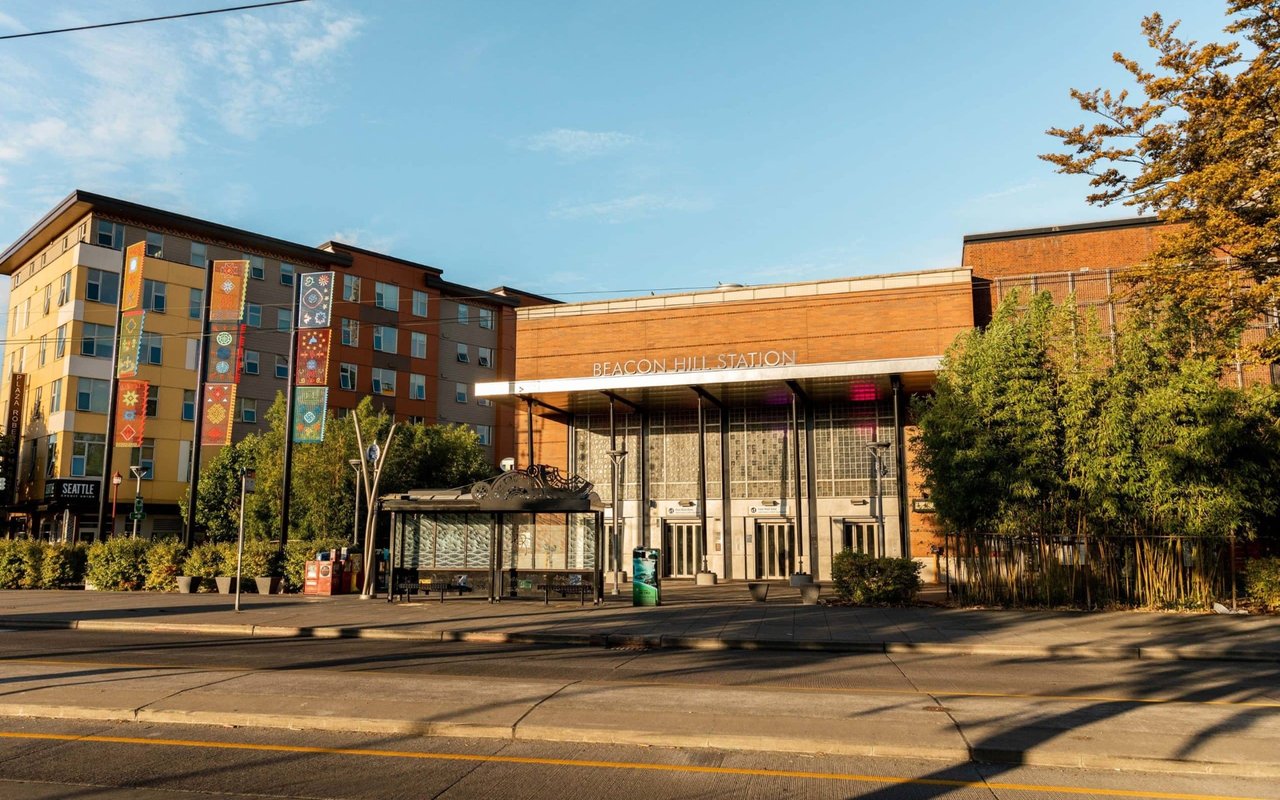
- Redmond: The city is now directly served by Sound Transit’s 2 Line, including Downtown Redmond and Marymoor Village. That can simplify trips to Bellevue and other Link connections. Read the latest on the Downtown Redmond opening.
- Kirkland: There is no direct Link station in downtown. Most commuters rely on buses or driving to connect with rail in Redmond or Bellevue.
Average travel time to work is similar in both cities. U.S. Census QuickFacts show Redmond at about 22 minutes and Kirkland around 24 minutes, though your route will matter. Check the commute context for Redmond and Kirkland to compare, then test your exact trip at rush hour.
Dining, retail, and nightlife
Kirkland packs a lot of dining into a small, scenic downtown. Lakeside patios and fine dining give you easy date-night options steps from the water. Seasonal markets and events on the waterfront keep evenings lively.
Redmond offers a larger spread of casual spots across its multiple centers. You will find a mix of family-friendly restaurants, entertainment venues, and big-box convenience, with higher-end options growing in walkable districts near the new stations. If variety and practical errands are top priorities, Redmond makes it simple.
Quick buyer checklist
Use this simple filter to focus your search:
- Want daily waterfront walks and small beaches? Choose Kirkland, especially near Marina Park or Juanita.
- Want the shortest path to Microsoft and new rail? Choose Redmond, especially Overlake, Marymoor Village, or Downtown.
- Want bigger parks and trail networks? Choose Redmond for Marymoor and the Sammamish River Trail access.
- Want a compact, main-street feel? Choose Kirkland’s downtown core.
- Need the widest range of shopping in close reach? Choose Redmond’s multi-center layout.
Try both cities: a one-week field test
Here is a boots-on-the-ground plan you can follow. Amber and Ian can set this up so you only focus on the experience.
- Curated day in each city: Start with a real 7 to 9 a.m. commute test, do daytime errands, take an afternoon neighborhood walk, then enjoy a dinner reservation.
- Short stays: Book one night in each downtown to feel evening noise, morning traffic, and parking. Wake up and run the commute again.
- Head-to-head showings: For the same budget, tour a Kirkland waterfront condo, a Kirkland single-family off the water, a Redmond condo or townhome near Link, and a Redmond single-family. Compare monthly costs side by side.
- Custom checklist: Track AM and PM commute times, parking ease, grocery and daycare proximity, weekend events, and how the streets feel at night. Amber and Ian can also gather resident insights to round out the picture.
How we help you decide
You do not have to sort this alone. We will map your lifestyle must-haves to target neighborhoods, schedule test drives and stays, and deliver MLS-verified comps within 24 to 48 hours of showings. We will also shape an offer strategy based on current Eastside norms and the latest trends noted by the Northwest MLS. When you are ready, we will make your first choice the winning one.
If you want a clear, confident path to your Eastside home base, reach out to Amber Arnall & Ian Gordon. We will help you compare Redmond and Kirkland in real life and move forward with a plan.
FAQs
Which city is more affordable in 2026?
- Recent snapshots show Redmond around $1.50 million and Kirkland around $1.35 million citywide, but neighborhood and property type drive big swings, so lean on current MLS comps.
What is better if I work at Microsoft in Redmond?
- Redmond usually wins on friction-free commutes thanks to proximity and new 2 Line service to Downtown Redmond and Marymoor Village, while Kirkland commuters often add a bus or drive connection.
Where do I get daily lake life?
- Kirkland, with its downtown shoreline and parks like Juanita Beach Park, is built for frequent waterfront walks and quick beach access.
How does light rail change my options?
- The 2 Line strengthens demand near Redmond stations and can simplify trips to Bellevue and beyond, as noted in Sound Transit’s Downtown Redmond opening.
Are commute times really similar between the two?
- Yes, Census QuickFacts show averages near 22 minutes in Redmond and 24 in Kirkland, but your door-to-door route and hours matter most, so test your exact trip on a weekday.