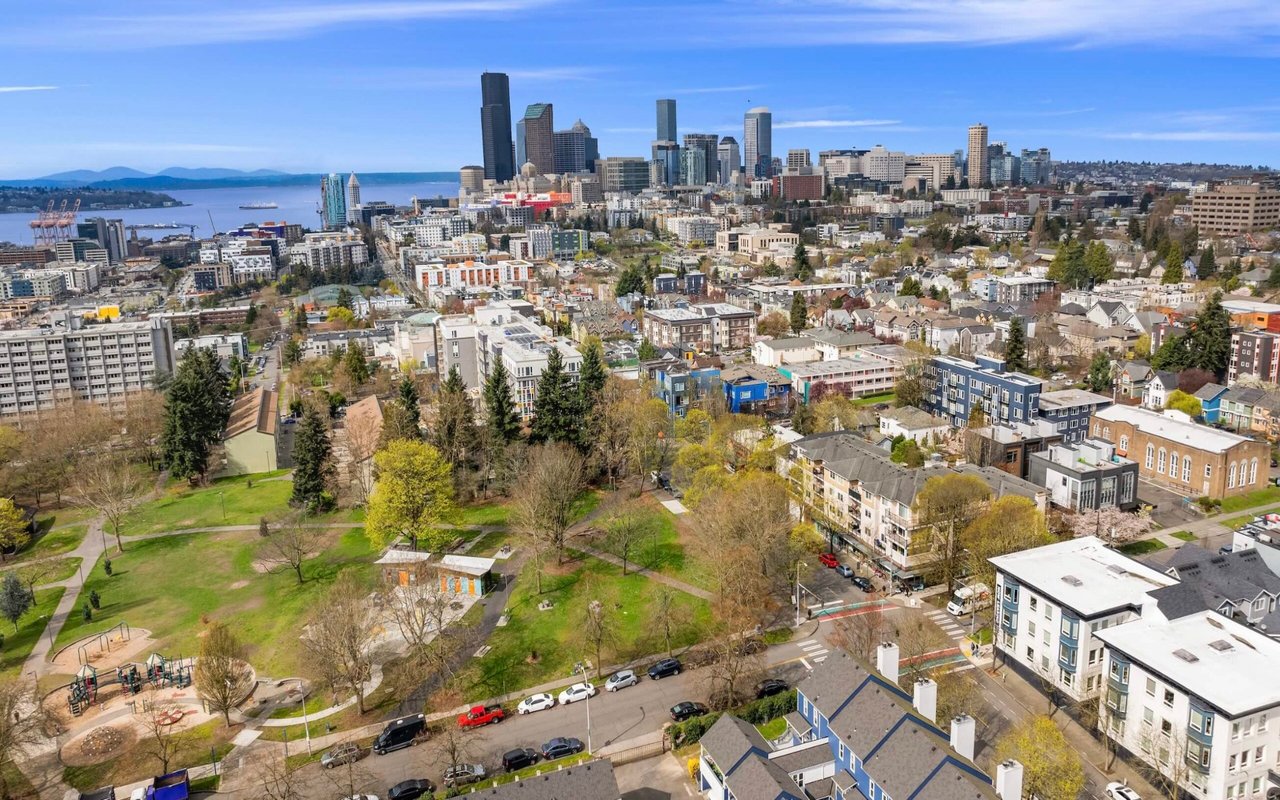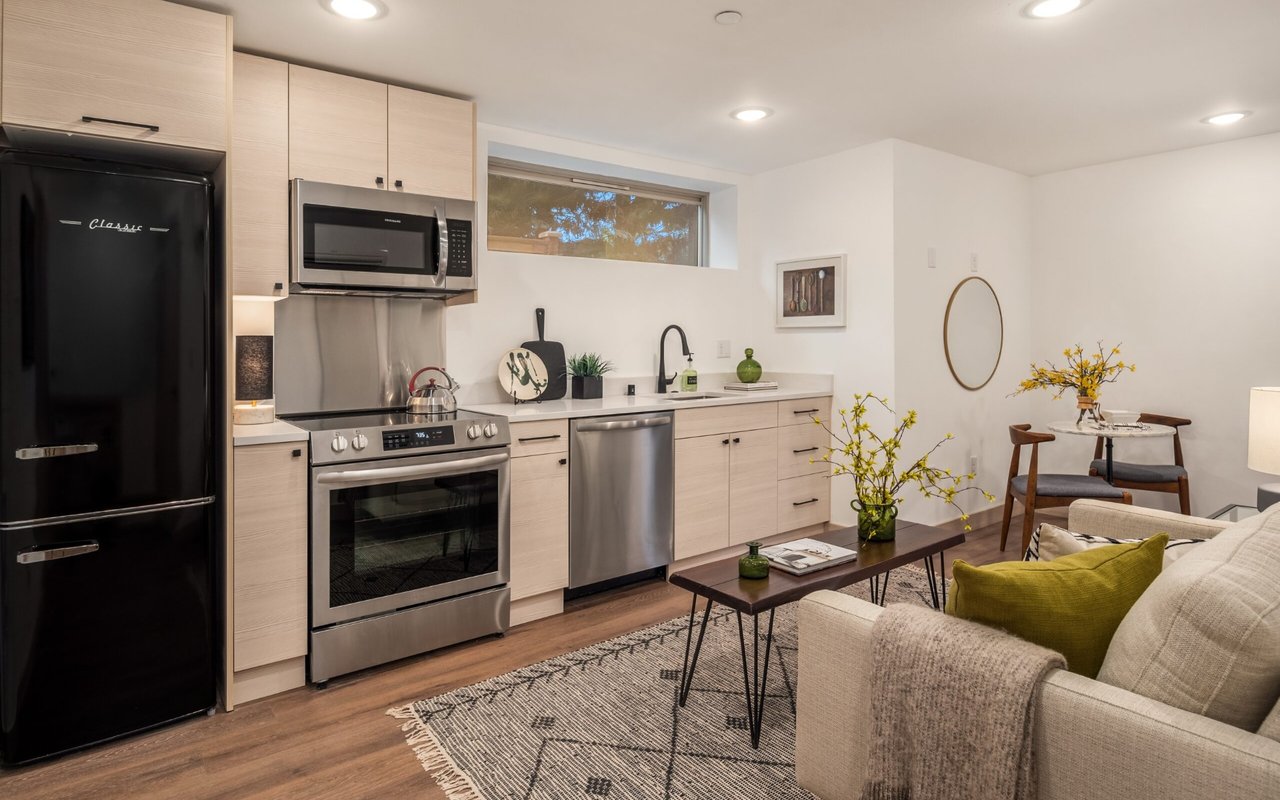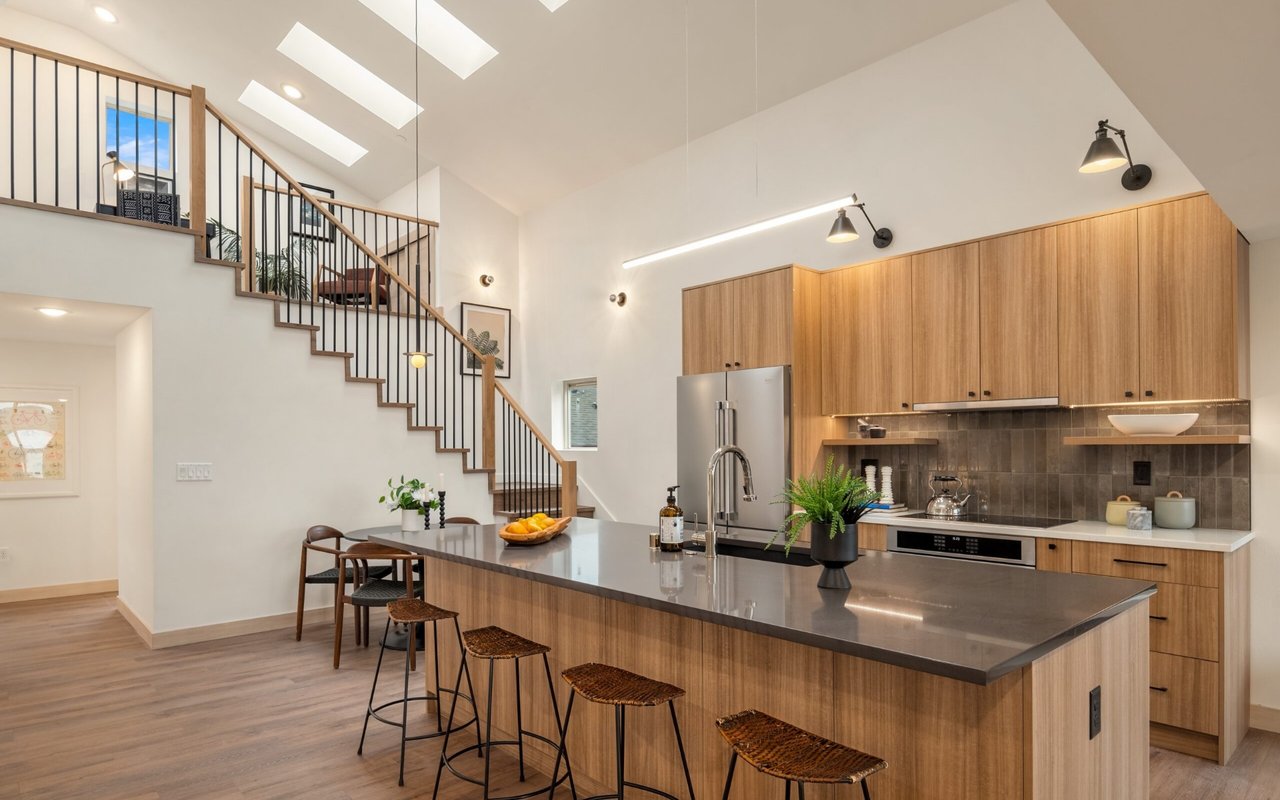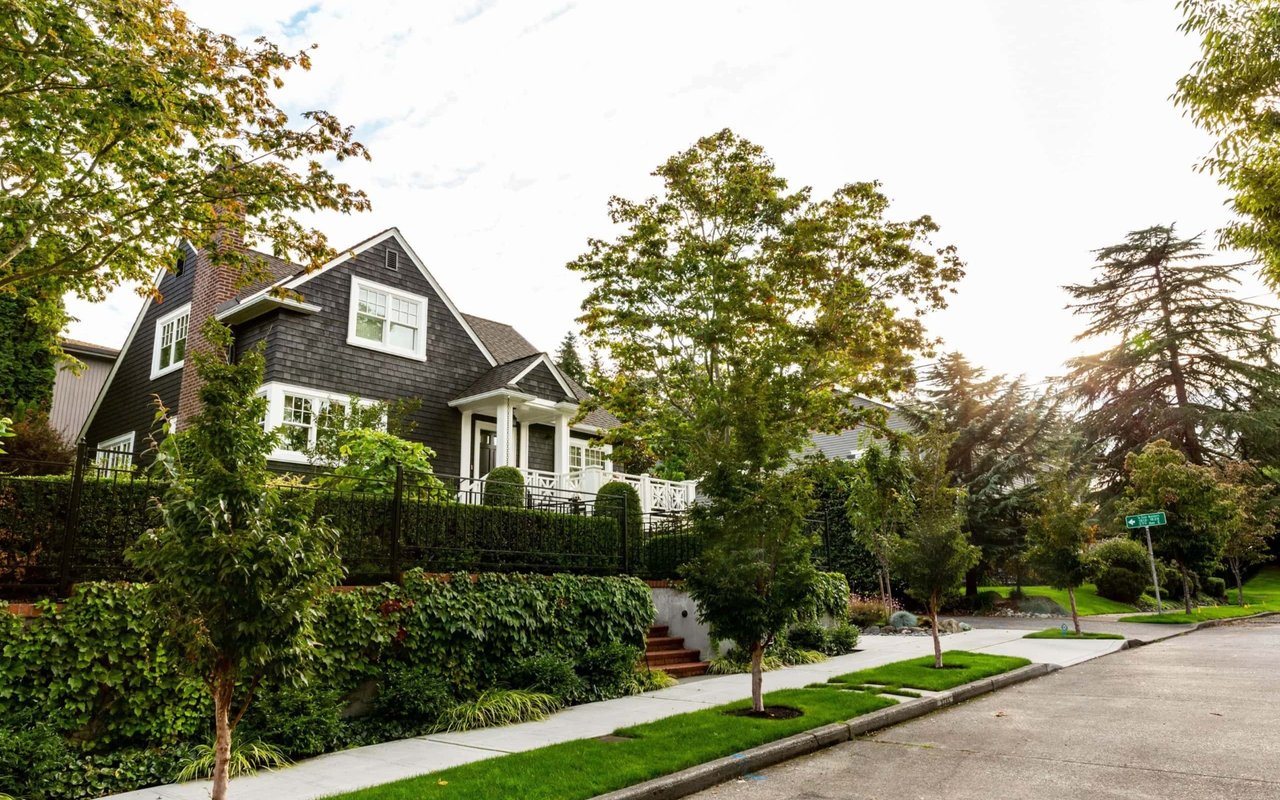
Craving more space without losing your Seattle rhythm? If you love city energy but want a quieter street, a yard, and easier access to nature, Shoreline might be your sweet spot. You’ll learn how Shoreline compares on price, pace, commute, and day-to-day life so you can decide with confidence. Let’s dive in.
What changes in Shoreline
Space and pace
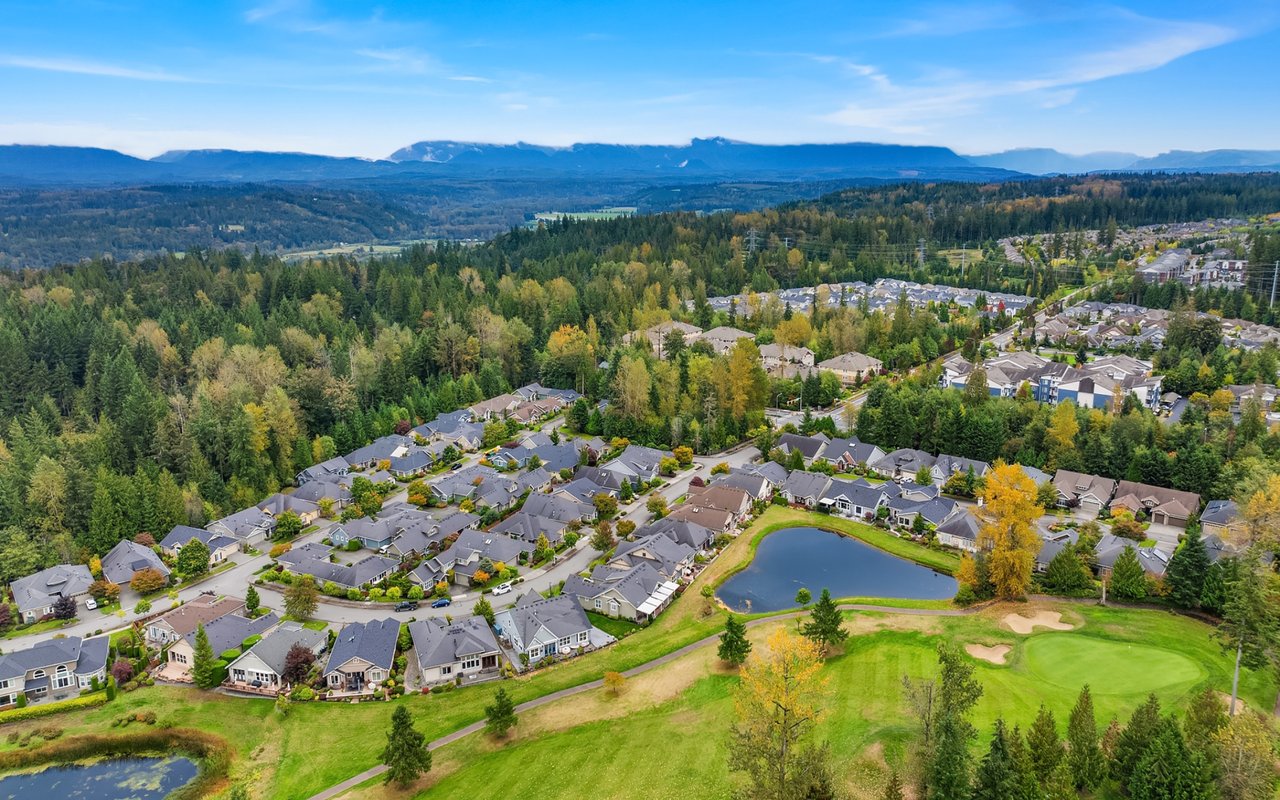
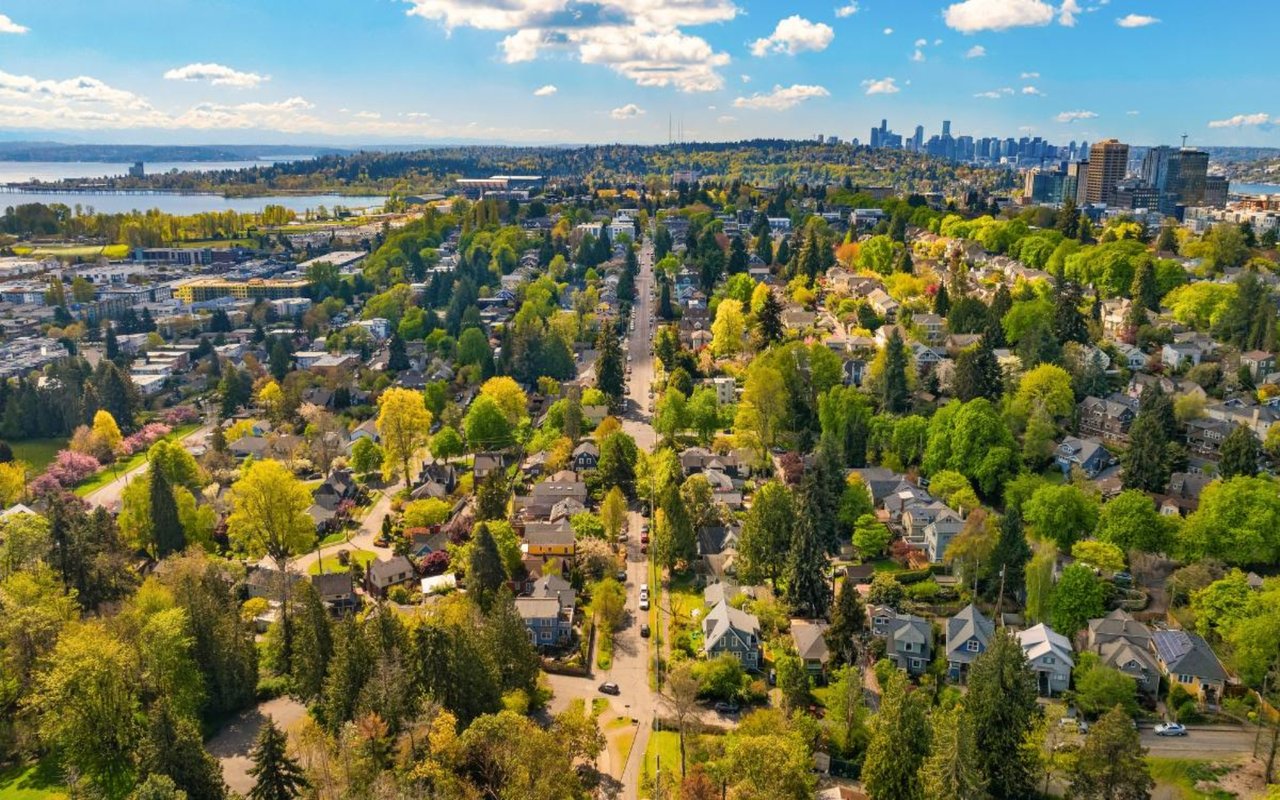
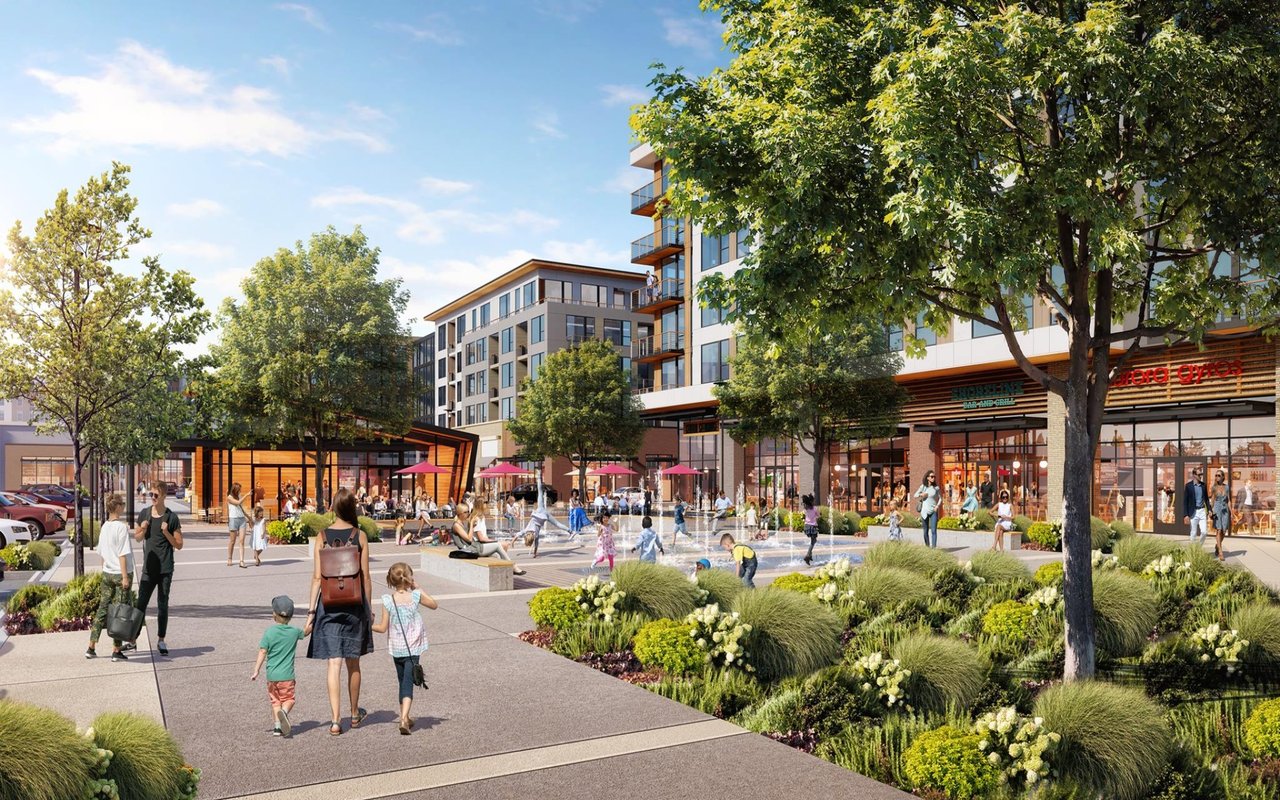
Shoreline reads as suburban. You see quieter streets, more yards, and pockets of small parks instead of a single historic downtown. The city is shaping a mixed-use core at Shoreline Place that will add walkable retail and housing over time, but today most blocks feel residential and calm. That tradeoff often works for Seattle movers who want more room and a slower evening pace while keeping city access close by. City plans for Shoreline Place show how that center is evolving.
Parks and shoreline
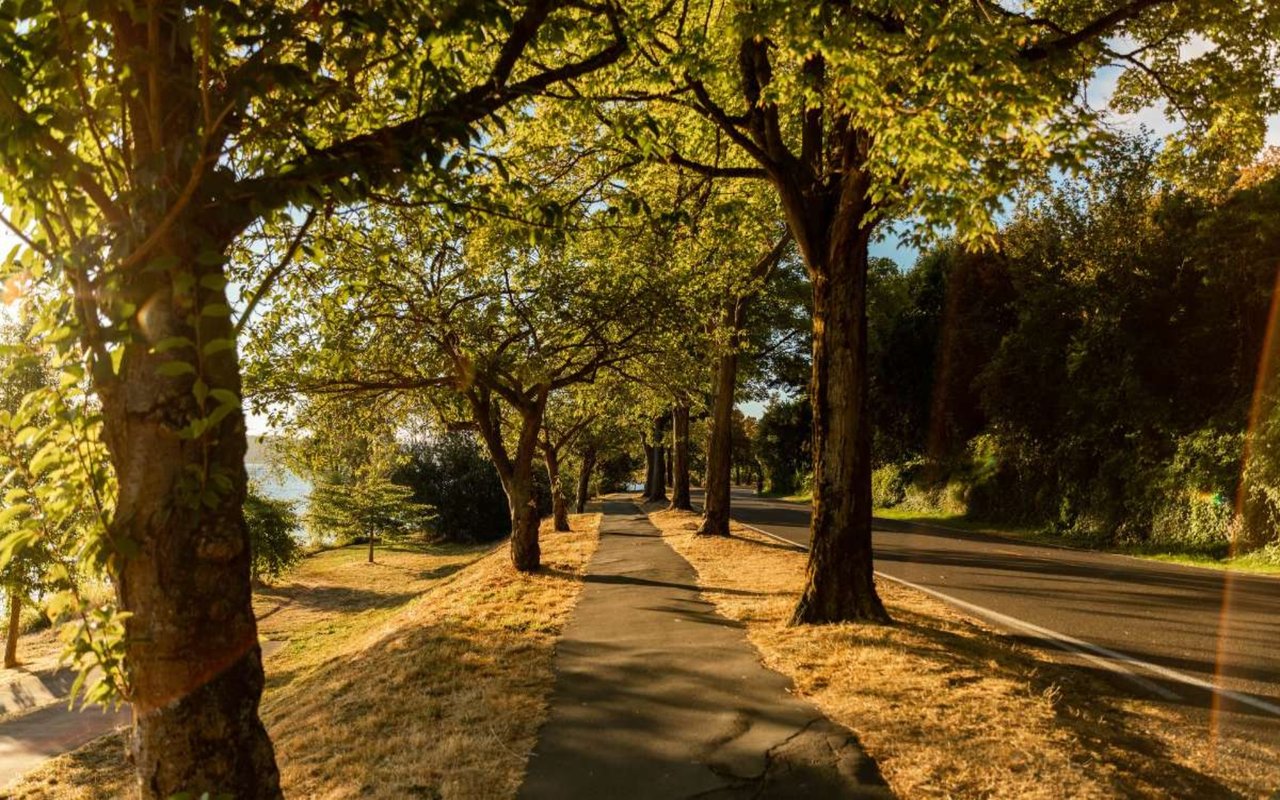
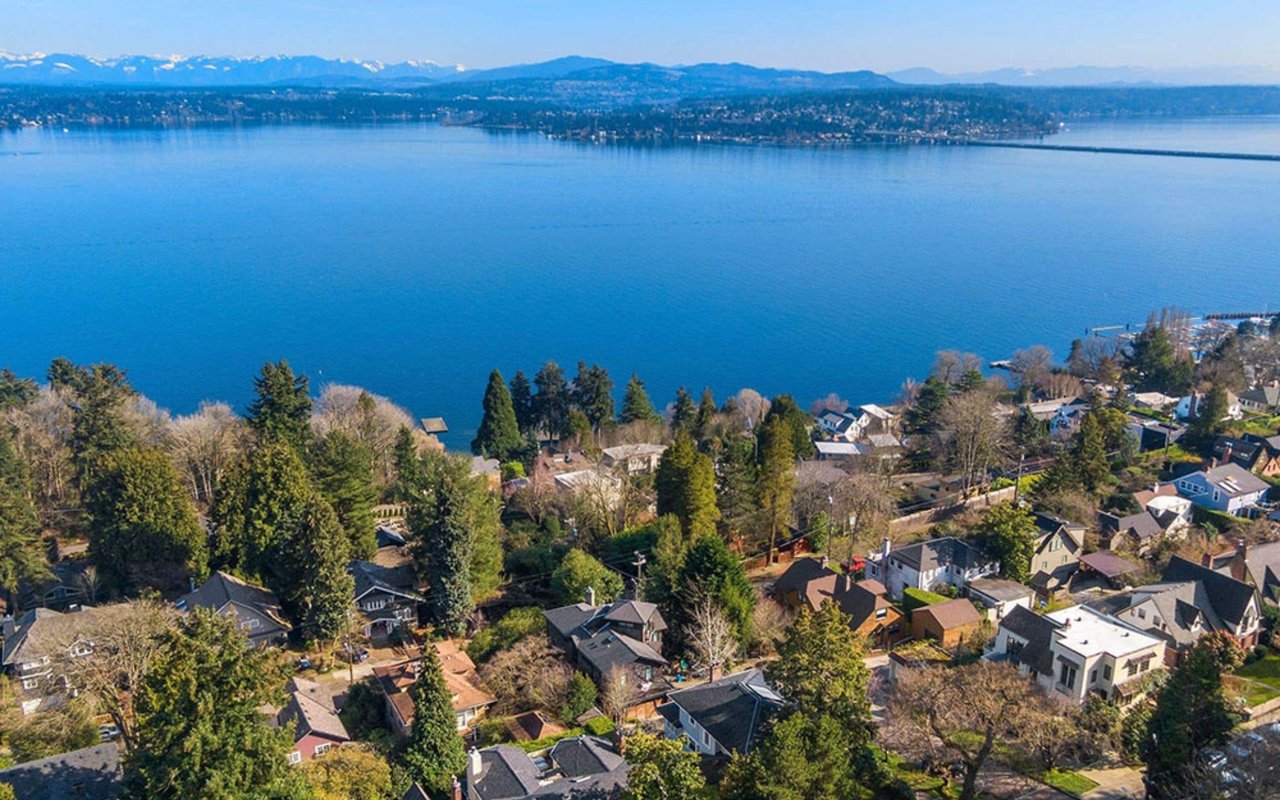
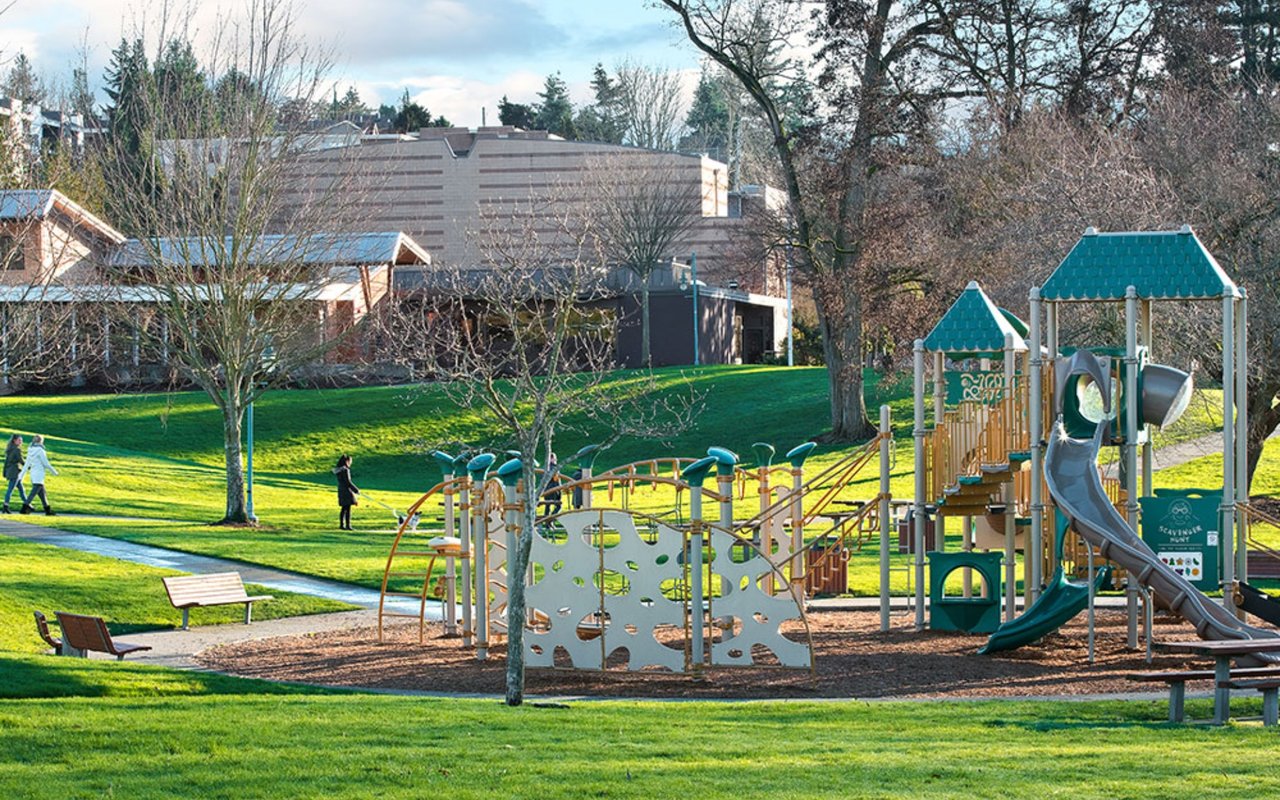
Outdoor time comes easy here. Richmond Beach Saltwater Park brings Puget Sound views and beach access, Hamlin Park offers forested trails, and the Interurban Trail provides a north–south spine for biking and running. Many buyers choose Shoreline to pair a backyard with quick nature breaks after work or school.
Shopping and errands
Daily errands cluster along Aurora Avenue and around the Shoreline Place area. You’ll find groceries, services, and casual dining within short drives. For a bigger night out or specialty dining, most residents plan city trips and keep Shoreline for weeknight convenience.
Schools snapshot
Shoreline has multiple neighborhood schools managed by the Shoreline School District. Families often consider proximity to parks and outdoor space here. For high-level context, review local demographics and housing data in U.S. Census QuickFacts for Shoreline. Always verify attendance boundaries and current details directly with the district.
Housing: what you get
Types and ownership
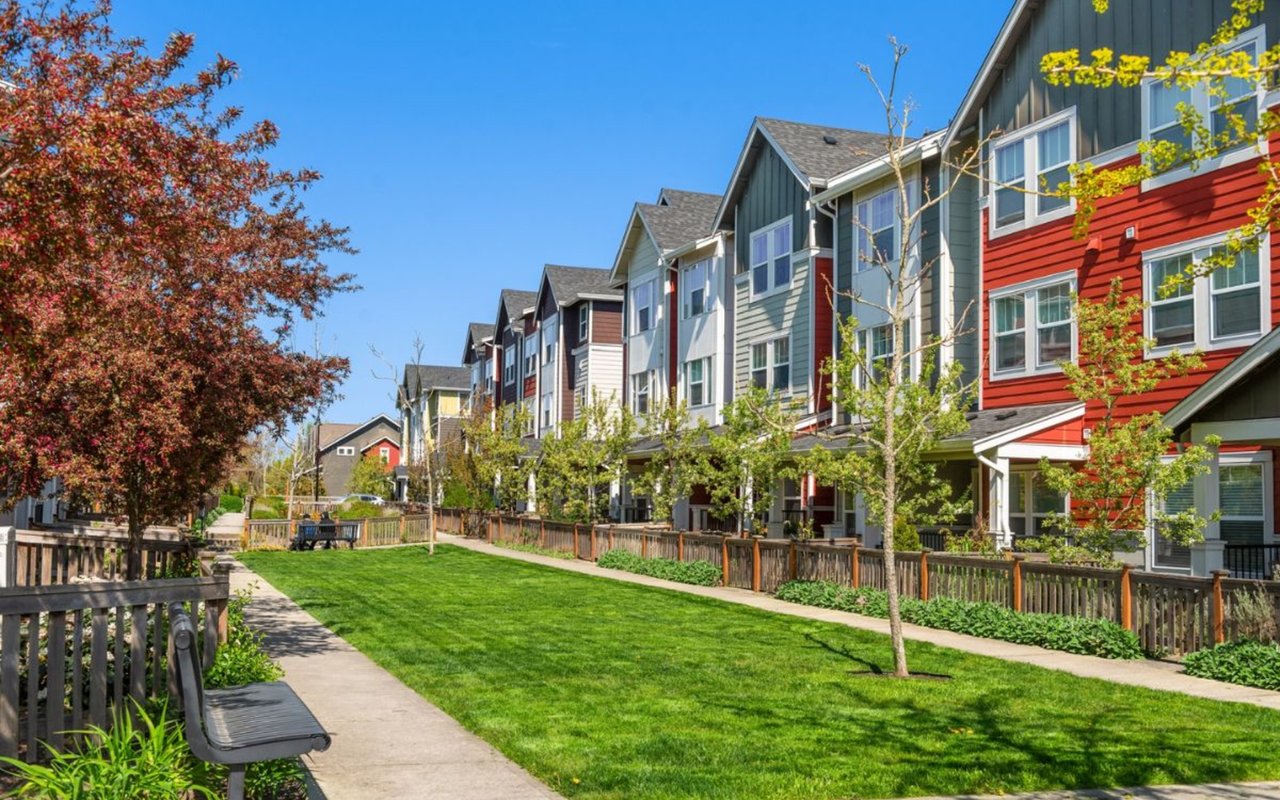
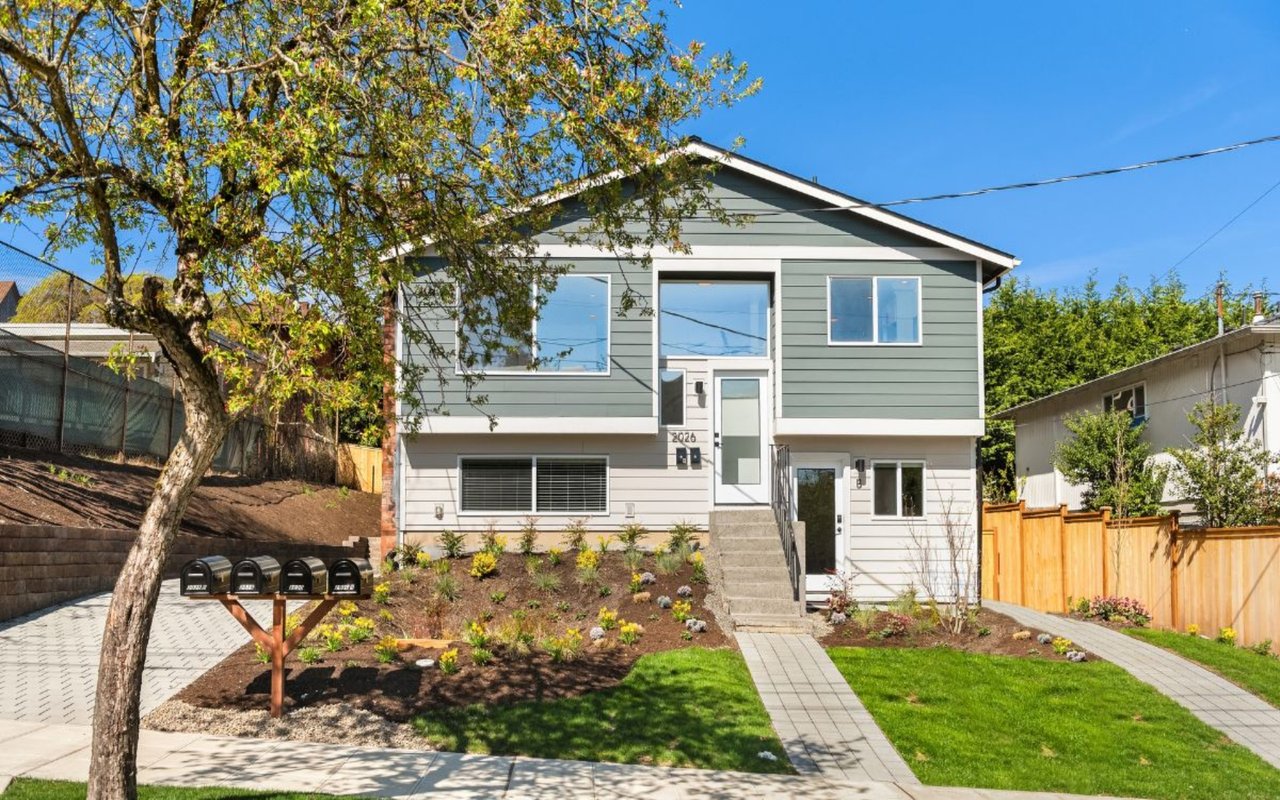
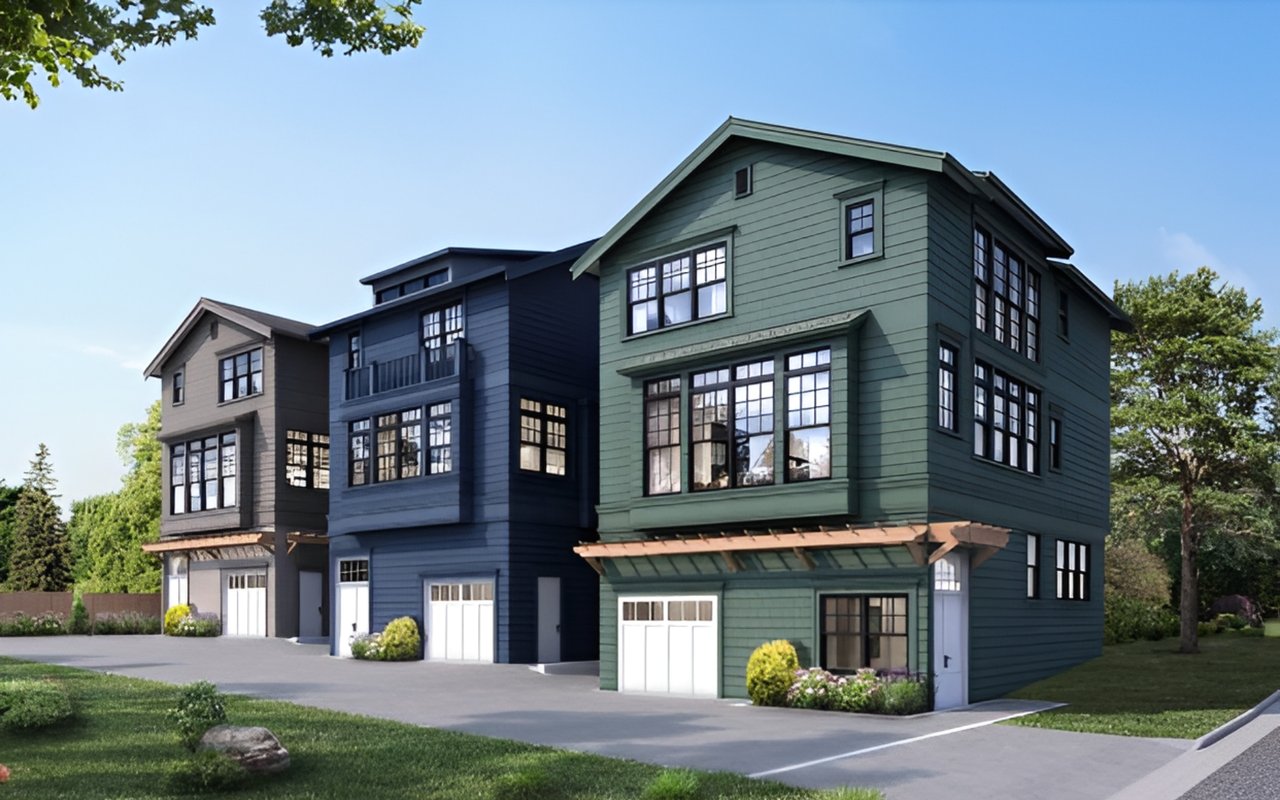
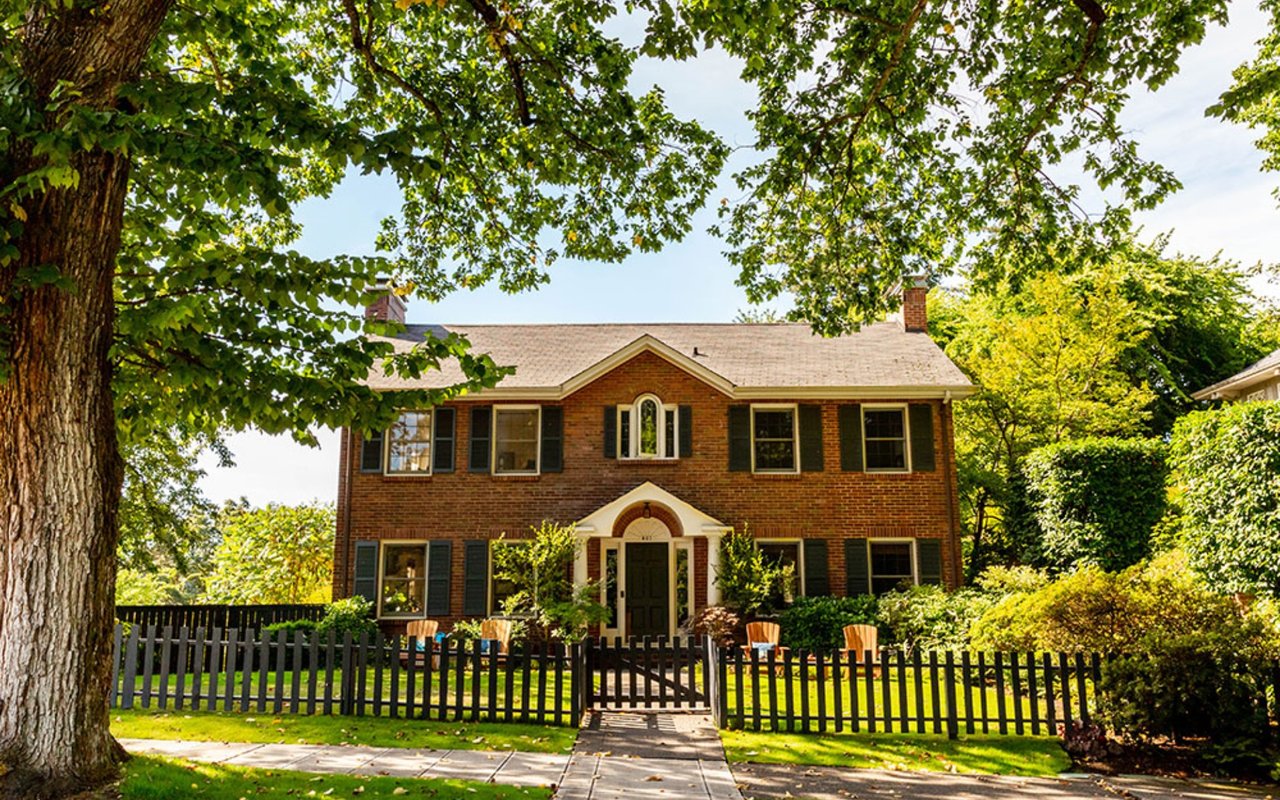
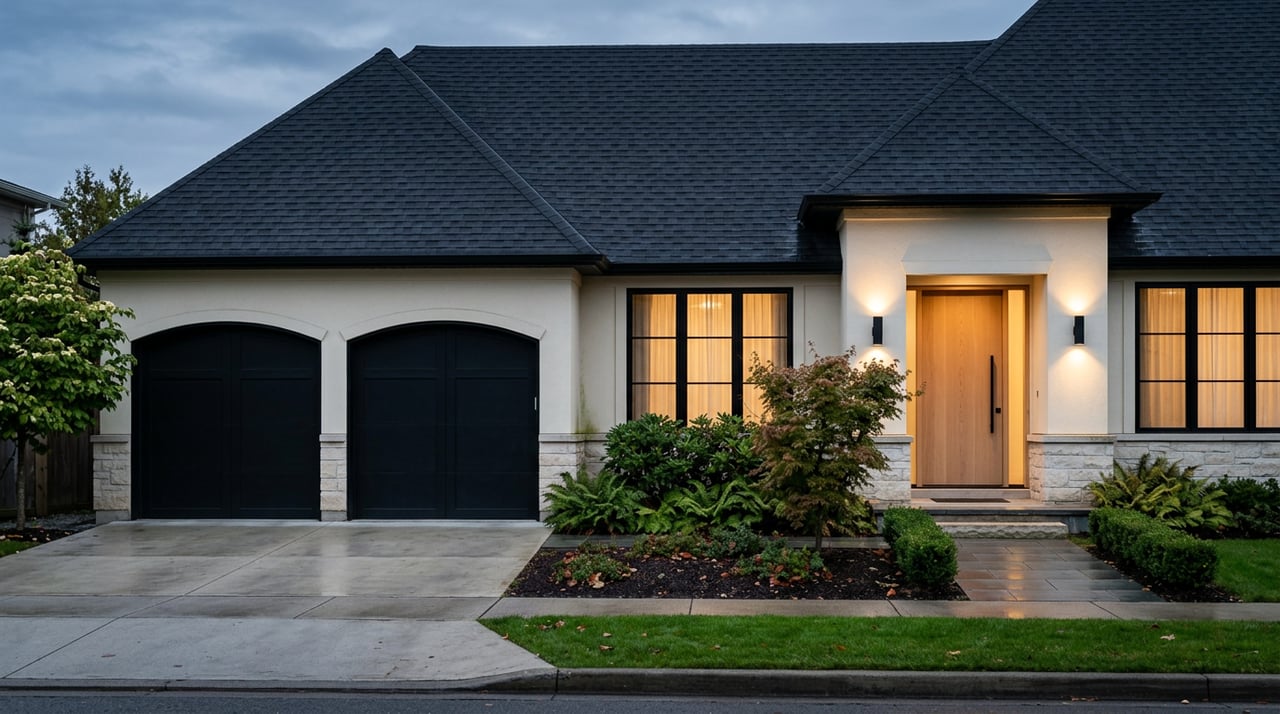
Shoreline’s housing stock is primarily single-family homes with garages and yards. The owner-occupancy rate is about 66 percent, much higher than Seattle’s roughly 44 percent, which helps explain why you see more detached homes and driveways here. You can confirm these figures in Census QuickFacts for Shoreline and Census QuickFacts for Seattle.
Prices vs Seattle
Median owner-occupied home value in Shoreline is about 811,100 dollars, compared with about 938,600 dollars in Seattle. Shoreline is not a bargain-basement suburb. Instead, many buyers find a value-for-space trade: similar budgets can deliver larger homes or bigger lots than in many Seattle neighborhoods. See the medians in Shoreline’s census profile and Seattle’s census profile. If you need live sale-price snapshots, check current MLS data before you decide.
Where density is growing
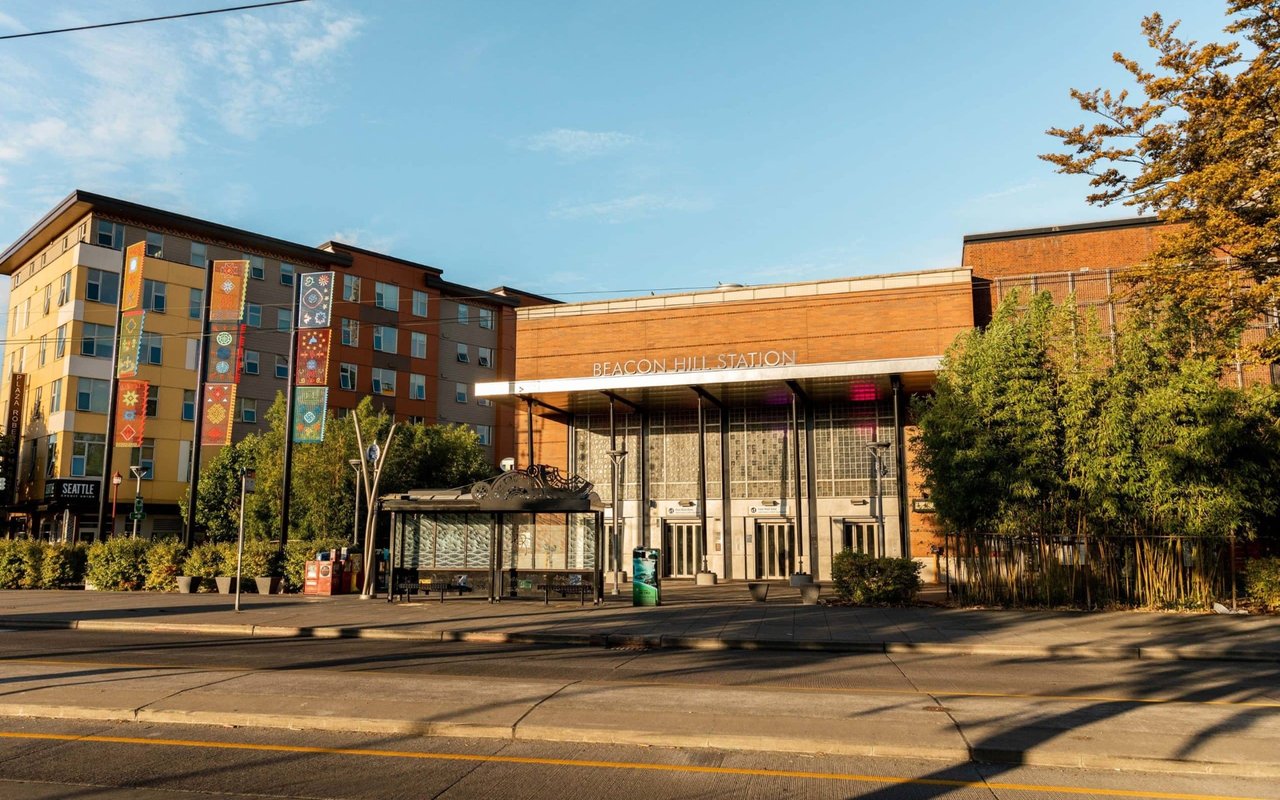
You’ll notice more apartments and mixed-use buildings near Shoreline’s two Link stations and along Aurora. The city has rezoned station areas and is guiding the Shoreline Place Community Renewal Area to add homes and street-level retail. That shift creates small walkable pockets while most neighborhoods stay low-density. Explore the city’s Shoreline Place renewal area for the big picture.
Commute with light rail
Lynnwood Link basics
The Lynnwood Link extension opened on August 30, 2024, adding four stations: Shoreline South/148th, Shoreline North/185th, Mountlake Terrace, and Lynnwood City Center. Sound Transit projected travel times like Lynnwood to Westlake in about 28 minutes, and Shoreline South/148th to the University of Washington in about 11 minutes. These estimates help you compare rail against driving. See the Lynnwood Link overview and opening details and the project page for routes and planning tools.
Parking and access
Each Shoreline station includes a large garage with about 500 parking stalls and bike parking. For many commuters, park-and-ride or bike-and-ride makes the trip consistent and less stressful than peak-hour driving. Check Sound Transit’s Lynnwood Link resources before your first week of rides.
Buses and transfers
Bus service changed to support the rail line. Community Transit extended Swift Blue and reworked routes to feed stations, and King County Metro shifted local routes and on-demand services to improve station access. The goal is fewer one-seat express buses and more frequent transfers paired with fast rail. Review the fall 2024 restructure summary from Community Transit to plan your linkups.
First and last mile projects
A new pedestrian and bike bridge at NE 148th will connect west-of-I-5 neighborhoods to Shoreline South/148th Station. Phase 1 on the east side was underway with the span expected in 2026. These projects matter because safe, direct access can make or break a daily rail commute. Track updates on the NE 148th Street bridge.
Will rail raise prices?
Academic and regional studies often find that proximity to frequent rail service increases demand, but the effect on prices varies by station design, noise, parking, and how much new housing gets built. Seattle-area research observed price premiums in some station areas and smaller or mixed effects in others. The takeaway: rail can boost interest near stations, and local zoning and project scale shape whether that shows up as higher prices or as more balanced new supply. Read a regional study summary on light rail and property values. In Shoreline, intentional rezones near 148th and 185th and investments like the 148th bridge and Shoreline Place suggest increased development interest near stations over the next several years.
Is Shoreline right for you?
Use this quick checklist to pressure-test your move.
- Commute target: Run a door-to-door rail plan to your exact work address using Sound Transit’s planning tools in the Lynnwood Link project page. Compare against peak driving times.
- Housing type and lot size: Decide if a yard and garage are must-haves. Shoreline’s higher owner-occupancy and single-family focus make those more common than in Seattle.
- Schools and day-to-day: Verify assigned schools with the district. Use Census QuickFacts for a neutral overview of community stats.
- First and last mile: Identify your nearest station (148th or 185th). Check whether the NE 148th bridge, bike routes, or a feeder bus connect your block. Review the bridge project for timing.
- Lifestyle tradeoffs: List your wins and losses. Wins often include more space, parks, and lower street noise. Losses can be fewer late-night options a short walk away. Keep city visits for specialty dining and big nights out.
Micro-neighborhood snapshots
Richmond Beach
Coastal bluffs and beach access define the vibe. Many streets offer quick trips to the water and local parks, paired with a relaxed residential feel.
North City
A classic Shoreline neighborhood with a small commercial core nearby and convenient access to I-5 and the 185th station area as it matures.
Echo Lake and Aurora corridor
Close to daily services and transit, with mid-rise housing appearing near key intersections. Expect an evolving streetscape as redevelopment continues.
Ridgecrest
Tree-lined residential blocks with straightforward access to the 185th station area. A good example of Shoreline’s quiet, single-family character near future walkable pockets.
By the numbers: quick compare
A few fast facts help frame the move.
- Population: Shoreline is about 66,251 residents. See Census QuickFacts.
- Income: Shoreline’s median household income is about 112,751 dollars. Same source above.
- Home values: Shoreline’s median owner-occupied home value is about 811,100 dollars vs Seattle at about 938,600 dollars. See Shoreline and Seattle.
- Commute times: Mean commute is about 27.2 minutes in Shoreline and 26.0 minutes in Seattle per Census QuickFacts. Rail can lower variability for many downtown trips.
Next steps
If you want more space and parks without giving up city access, Shoreline deserves a serious look. The right fit comes down to your commute pattern, yard needs, and comfort with evolving, station-adjacent neighborhoods. Ready to tour, test a commute, or compare Shoreline with other options around the metro? Reach out to Amber Arnall & Ian Gordon for a personalized plan.
FAQs
How does Shoreline’s commute compare to driving?
- Sound Transit projected Lynnwood to Westlake in about 28 minutes and Shoreline South/148th to the UW in about 11 minutes. Compare your door-to-door plan using the Lynnwood Link project page, then check peak driving with your preferred map tool.
Is parking available at Shoreline’s Link stations?
- Yes. Each Shoreline station includes a garage with about 500 stalls plus bike parking, which supports park-and-ride and bike-and-ride commutes. See Sound Transit’s opening details.
Will my block be upzoned or see new buildings?
- Shoreline focused higher density near the 148th and 185th stations and at Shoreline Place. Review the city’s Shoreline Place area and station-area materials for where mid-rise is planned or permitted.
Will buying near a station cost more later?
- Rail access often increases demand, though effects vary by station and local supply. Read a Seattle-area study on light rail and property values and weigh that against new housing under construction.
What everyday lifestyle shifts should I expect?
- Expect more indoor and outdoor space, quick park access, and quieter evenings, with fewer late-night dining choices within a short walk. The Shoreline Place plan aims to add a more walkable core over time.